Export Product Systems
High-Performance Certified Window & Door Solutions
Engineered to international building standards (AS2047, NFRC, CE, SGCC) for commercial developments and luxury residential projects worldwide.
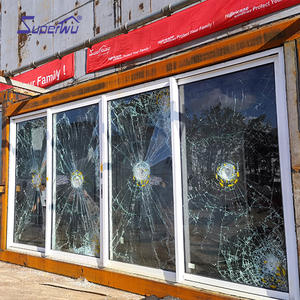
Aluminium Windows and Doors Factory Produce American Certification NFRC NOA Hurricane Impact Glass Aluminium Sliding Door System
Get Catalog
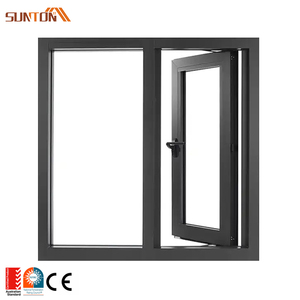
Australian Standard Window Hurricane Proof Impact Aluminium Frame Glass windows and Doors Aluminum Double Glazed Casement Window
Get Catalog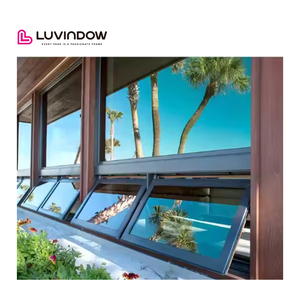
Luvindow As 2047 Customized Folding Glass Thermal Break Aluminum Awning Window for Residential Homes
Get Catalog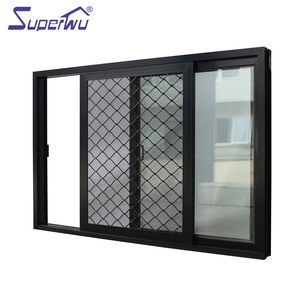
Kenya Philippines Price Aluminum Sliding Window
Get Catalog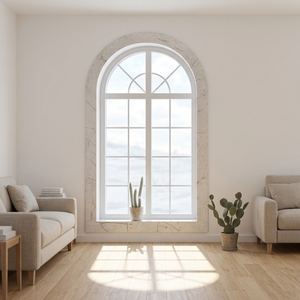
French Inward Opening Casement Window Aluminum Alloy Double Glazed European Style Custom Energy Efficient Exterior Window
Get Catalog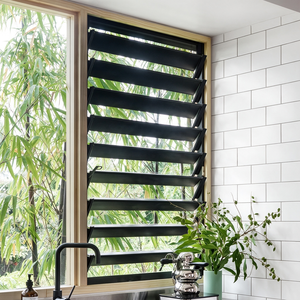
Customized Modern Aluminum Louver Windows Adjustable Aluminum Slat Jalousie Shutter Window Ventilation System Villa Project
Get Catalog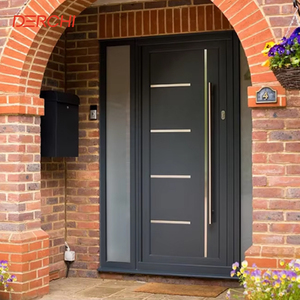
DERCHI Modern Exterior Main Gate Door Designs Aluminum Front Iron Entry Doors Entrance Security Steel Door For House
Get Catalog
Industrial Footprint
Foshan Manufacturing Capabilities at a Glance
Operating out of Songxia Industrial Park, Nanhai District, Foshan—the epicenter of China's structural aluminum extrusion industry.
10,000m²
Standardized Production Plant
15+
Years Architectural Engineering
6+
Global Regulatory Standards
100%
Factory Structural Quality QC
Navigating China's Architectural Aluminium & Glass Window Manufacturing Ecosystem
China accounts for over 55% of global architectural aluminum profile extrusions, with Guangdong province—specifically the Foshan industrial cluster—holding the highest concentration of advanced CNC fabrication centers, surface treatment facilities, and insulated glass unit (IGU) automation lines. For international property developers, facade consultants, and general contractors, sourcing aluminum glass window systems from top Chinese exporters offers unmatched economies of scale. However, achieving compliance with strict destination-country building codes (such as Australia’s AS2047, North America’s NFRC/AAMA, and Europe’s EN 14351-1) requires rigorous supplier vetting and deep knowledge of fenestration engineering.
Information Gain Key Insight: Wall thickness alone does not guarantee structural performance. Premium Chinese exporters utilize 6063-T5 or 6063-T6 high-grade architectural aluminum alloys combined with imported Polyamide (PA66GF25) thermal break strips, achieving frame U-values below 1.4 W/m²K while maintaining deflection limits under extreme wind pressures (>5000 Pa).
1. Metallurgy, Extrusion Alloys, and Surface Finishing Technology
The structural backbone of any high-rise casement or sliding fenestration system relies on the chemical composition and heat treatment of the aluminum alloy. Premium factories in Foshan enforce strict incoming billet inspections, ensuring iron content remains below 0.35% to prevent corrosion and maximize tensile strength.
When specifying window and door frames for marine, coastal, or high-UV environments, surface treatment technology dictates lifetime maintenance costs and color stability:
Fluorocarbon PVDF Coatings
Formulated with 70% Kynar 500 resins, PVDF liquid spraying delivers superior resistance to salt spray, chalking, and acid rain. Recommended for coastal projects and high-rise commercial curtains requiring 20+ year color retention.
Architectural Powder Coating
Utilizing Qualicoat Class 2 certified thermosetting powders (e.g., AkzoNobel or Tiger), powder coating yields dense impact resistance and thousands of RAL colors, ideal for residential developments and custom architectural accents.
Anodizing & Electro-Foresis
Electrolytic oxidation creates an integral oxide film (15–25 microns thick) that provides a classic metallic texture, exceptional surface hardness, and self-repairing passive protection against atmospheric wear.
Future Procurement Trends in Architectural Fenestration (2025–2030)
As global energy codes tighten (such as the EU Energy Performance of Buildings Directive and North American Net-Zero Energy standards), the window procurement landscape is shifting rapidly from basic functional openings to highly engineered climate-envelope systems.
1. Multi-Cavity Thermal Break Engineering
Single PA66 strips are being replaced by multi-chambered, foam-filled thermal barriers. Combined with warm-edge spacer technology and triple argon-filled glazing, overall window system U-factors are dropping below 0.8 W/m²K (Passivhaus compliant).
2. Ultra-Narrow Sightlines & Large-Span Panes
Architects increasingly demand minimal frame profiles (interlock sightlines as narrow as 18mm to 25mm) capable of supporting jumbo glass panels up to 800kg via concealed heavy-duty stainless steel rollers and lift-and-slide mechanics.
3. Hurricane Impact & Extreme Weather Resilience
With increasing climate volatility, hurricane-prone regions (Florida, the Caribbean, coastal Australia) require window systems tested for missile impact (SGP laminated glass interlayer) and cyclic pressure loading up to +100/-100 PSF.
Enterprise Advantage: Karon Window & Door Co., Ltd.
Headquartered in Foshan, Guangdong, Karon Window & Door Co., Ltd. (KARON) has evolved into a premier OEM/ODM manufacturer for custom architectural fenestration, serving developers, main contractors, and importing distributors across North America, Europe, Australia, and Southeast Asia.
Our 10,000 m² standardized manufacturing plant integrates automated double-head cutting saws, 4-axis CNC machining centers, automatic corner-crimping machines, and a rigorous multi-stage quality control system. Every production run undergoes key verification steps:
- Dimension & Profile Tolerances: Ultrasonic thickness verification to ensure extrusion wall thickness meets structural shop drawings.
- Hardware & Fit Testing: Pre-assembly of sashes with German (HOPO, Siegenia, GU) or Italian (Giesse) hardware to test operating forces and multi-point locking engagement.
- Glass & Seal Integrity: Automated IGUs verified for dual-seal depth, desiccant saturation, and argon charge percentage.
- Pre-Shipment Export Packing: Custom wooden crates with corner guards, protective PE films, and desiccant packs to prevent transit damage during ocean shipping.
Architectural Window System Performance Matrix
A buyer's reference table comparing structural performance and thermal metrics across standard profile configurations:
| System Type | Frame Depth | U-Factor (W/m²K) | Air Infiltration | Water Tightness | Wind Load Rating |
|---|---|---|---|---|---|
| Thermal Break Casement | 65mm - 75mm | 1.3 - 1.8 | Class A4 (750 Pa) | Class E1050 (1050 Pa) | Up to 5000 Pa (AS2047) |
| Slim-Frame Sliding Door | 120mm - 160mm | 1.6 - 2.2 | Class A3 (600 Pa) | Class E750 (750 Pa) | Up to 3500 Pa |
| Tilt & Turn (European Style) | 70mm - 80mm | 1.1 - 1.5 | Class A4 (750 Pa) | Class E900 (900 Pa) | Up to 4500 Pa |
| Thermal Break Bi-Fold | 75mm - 85mm | 1.5 - 2.0 | Class A3 (600 Pa) | Class E600 (600 Pa) | Up to 3000 Pa |
| Aluminum Louver System | 50mm - 100mm | N/A (Ventilation) | Variable Slat Seal | Class E300 (300 Pa) | Up to 2500 Pa |
Global Project Accomplishments
KARON’s custom window and door systems are specified in multi-family residential developments, luxury beachfront villas, and commercial hospitality projects worldwide:
Kora Beach Resort, Phuket
Scope: 672 Units across 9 Low-Rise Buildings.
System: Custom Coastal Casement & Sliding Systems engineered for high humidity and tropical wind resistance.
Texas Private Villa, USA
Scope: Complete Whole-House Architectural Package.
System: NFRC & SGCC certified heavy-duty hurricane impact sliding doors and thermal break awning windows.
Azure Blue Residence, Greece
Scope: Multi-Unit Modern Residential Development.
System: European-style Tilt & Turn thermal break windows with integrated insect screens and multi-point locking.
Sourcing & Procurement FAQ
Frequently Asked Questions for Overseas Buyers
Direct technical answers to clear compliance, engineering, and supply chain questions when procuring aluminum windows from China.
Where is the KARON manufacturing facility located and what product lines are produced?
Karon Window & Door Co., Ltd. operates a 10,000 m² standardized manufacturing facility in Songxia Industrial Park, Nanhai District, Foshan, Guangdong, China. We produce engineered thermal break aluminium casement windows, sliding windows, bi-fold doors, lift-and-slide doors, aluminium sunrooms, frameless glass railings, and shower enclosures for global projects.
Which international testing certifications do KARON window systems hold?
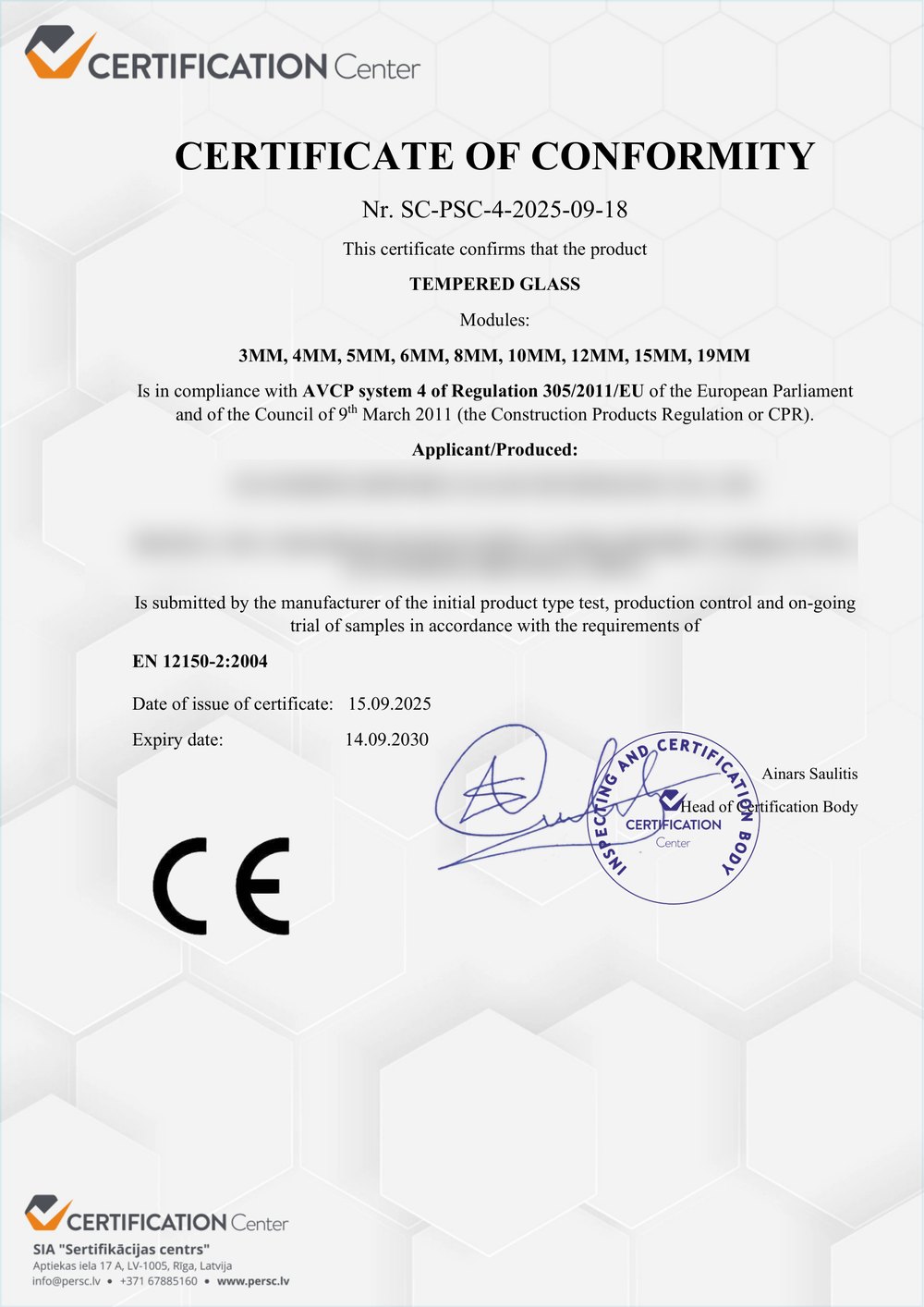
Our window and glass systems hold third-party verified certifications including CE (EN 12150), US SGCC safety glazing certification, Australia AS 2047 and AS 2208, New Zealand AS/NZS 2208 (single pane & laminated), Thailand TISI (965-2560 & 1231-2560), and Malaysia CIDB PPS compliance. Production is audited under ISO 9001 quality management systems.
Can KARON manufacture custom window sizes based on architectural CAD drawings?
Yes. Over 95% of our output is custom-engineered to architectural drawings or window schedules. Our engineering department reviews opening sizes, wind load calculations, mullion reinforcements, structural glazing specs, and hardware requirements, issuing detailed shop drawings for client approval prior to extrusion cutting.
What is the technical difference between Thermal Break and Non-Thermal Break aluminum profiles?
Thermal break profiles feature a structural polyamide insulation strip (PA66GF25) crimped between the interior and exterior aluminum extrusions. This breaks the metal-to-metal bridge, drastically reducing conductive heat transfer, eliminating interior frame condensation, and lowering HVAC energy loads. Non-thermal break profiles lack this strip and are typically used in tropical regions without cooling requirements, interior partitions, or cost-driven projects.
How does KARON handle glass safety and structural glazing requirements?
All glass used in our window systems is fully tempered or laminated safety glass meeting EN 12150, SGCC, and AS 2208 standards. Options include double/triple insulated glass units (IGU), Low-E coatings (Single, Double, or Triple Silver Low-E), argon gas filling, warm-edge spacers, and SGP impact interlayers for hurricane zones.
What hardware brands are integrated into KARON aluminium window systems?
We partner with world-renowned hardware manufacturers including HOPO, Siegenia, GU, Roto, and Giesse, as well as premium custom stainless steel 304/316 concealed hinges and multi-point locking gear designed to withstand heavy wind loads and salt air corrosion.
How are orders packaged to ensure zero transit damage during sea freight?
Every unit is wrapped in protective PE film, corner-guarded with high-density EPE foam, and encased in fully sealed, IPPC-certified fumigation-free plywood crates or steel A-frame racks for containerized ocean transport.
How can I request a formal quotation or technical catalog for my project?
You can initiate a project review by submitting your window schedule, architectural drawings, or bill of quantities directly to our engineering desk at [email protected] or by clicking the live chat/catalog request button on this page.
Ready to Engineer Your Project's Window & Door Package?
Submit your architectural drawings or window schedule to KARON’s engineering team for preliminary budget pricing, profile optimization, and compliance verification.