Export-Grade Product Catalog
High-Performance Aluminium Windows & Door Systems
Engineered for commercial, residential, and structural facade projects. Directly manufactured in Foshan, China under ISO 9001 and verified global standard compliance.
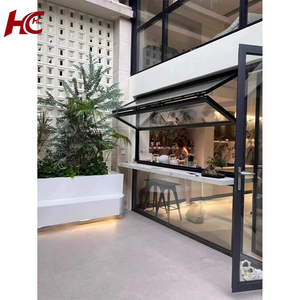
Modern Bi-Fold Aluminum Alloy Window for Kitchen Vertical Fold Doors Graphic Design Solution for Exterior House
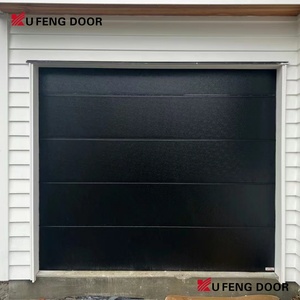
Modern High Quality Security Sectional Automatic Aluminum Glass Garage Door
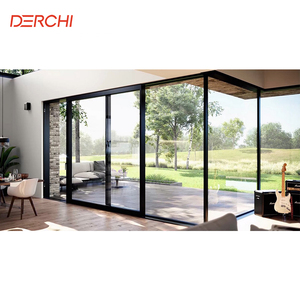
As2047 Australian Windows and Doors Double Glazed Stacker Doors Commercial Exterior Patio Panoramic Aluminum Sliding Doors
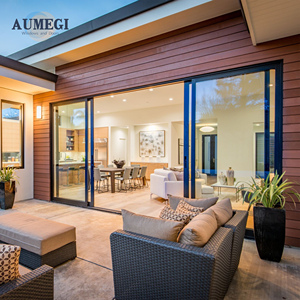
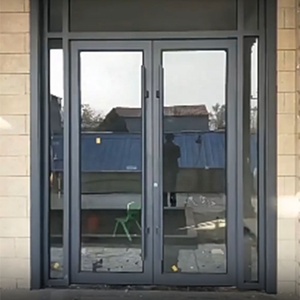
AUMEGI Patio Doors Balcony Metal Back Painted Aluminium Low-e Glass Automatic Main Handle Sliding Door
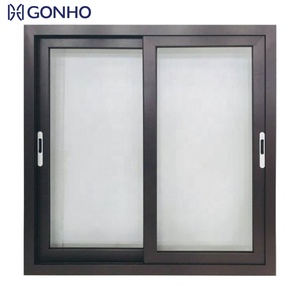
GONHO Waterproof Aluminum Storm Windows for Houses Gray Black Aluminum Sliding Window
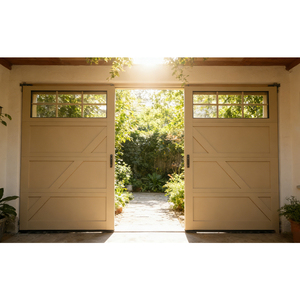
Design Insulated Aluminum Panels 16ft Barn Style Door Modern Styles Custom Overlay Garage Door for Outdoor Warehouse Villa Use
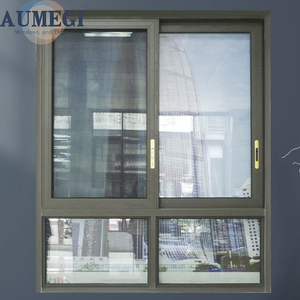
Aumegi Double Glazing Aluminum Glass Sliding Window Green Color Sliding Windows
Industry Whitepaper Analysis
Aluminium Hopper Windows: Engineering Dynamics & B2B Sourcing Overview
In modern architectural fenestration, Aluminium Hopper Windows (bottom-hung, inward-tilting window systems) represent a critical engineered component for controlled micro-ventilation, structural thermal isolation, and high-altitude or basement wind-load management. Unlike traditional top-hung awning or side-hung casement windows, hopper windows tilt inward from the top while remaining securely hinged at the bottom base. This specific kinematic geometry allows rising warm interior air to escape seamlessly while deflecting incoming external drafts upward toward the ceiling, creating an optimal stack-effect air circulation loop without compromising occupant security or spatial footprints.
When sourcing from China aluminium hopper windows factories and suppliers, commercial procurement officers, structural facade engineers, and real estate developers face a dense landscape of alloy choices, thermal break configurations, hardware load-bearing limits, and surface finish certifications. China—specifically the Foshan manufacturing hub in Guangdong province—accounts for over 65% of global architectural extruded aluminium output. Navigating this ecosystem requires a granular understanding of profile wall thickness standards, glass build-up acoustics, and compliance protocols across global jurisdictions such as Europe (CE EN 14351-1 / EN 12150), North America (NFRC / SGCC / AAMA), and Australasia (AS2047 / AS2208).
Core Value Proposition of Bottom-Hung Hopper Systems
Hopper windows eliminate the intrusion hazard of outward-swinging sashes on ground-floor footpaths or commercial basements while offering total interior rain protection during tilt-ventilation mode. Furthermore, when paired with continuous multi-point compression locking hardware, they achieve superior air infiltration ratings (EN 12207 Class 4 / ASTM E283) compared to horizontal sliding mechanisms.
This comprehensive whitepaper evaluates the precise engineering criteria, material selection matrices, manufacturing workflows, and global market trends governing top-tier China aluminum hopper window factories, offering enterprise buyers actionable insight to optimize supply chain cost without sacrificing performance specs.
Technical Specification Benchmark
Architectural Material & Performance Matrix
A comparative evaluation of standard vs. high-performance thermal break aluminium hopper window assemblies for enterprise procurement.
| Performance Parameter | Standard Commercial Grade | Architectural Thermal Break Grade | Passive House Ultra-Low Energy Grade |
|---|---|---|---|
| Aluminium Alloy Profile | 6063-T5 Extruded Aluminum | 6063-T6 High-Tensile Alloy | 6061-T6 Heavy-Duty Architectural Profile |
| Nominal Profile Wall Thickness | 1.4 mm – 1.6 mm | 1.8 mm – 2.0 mm | 2.2 mm – 3.0 mm Reinforced |
| Thermal Break Insulation | Non-Thermal / PVC Strip | Polyamide PA66 GF25 (24mm–34mm) | Multi-Chamber PA66 + Aerogel Insulation Core |
| Overall U-Factor (Uw) | 2.8 – 3.5 W/m²·K | 1.4 – 1.8 W/m²·K | 0.79 – 1.1 W/m²·K |
| Glazing Configuration | 5mm + 12A + 5mm Double Toughened | 6mm Low-E + 16Ar + 6mm Laminated | Triple Glazed (Low-E + Argon 90% + Warm Edge) |
| Acoustic Insulation (STC/Rw) | STC 30 dB – 34 dB | STC 38 dB – 42 dB | STC 45 dB+ (Acoustic Interlayer Glass) |
| Air Infiltration Rating | ASTM E283 Class 300 Pa | EN 12207 Class 4 (600 Pa) | AS2047 Air Tightness Compliant (1500 Pa) |
| Water Penetration Resistance | 300 Pa Static Pressure | 600 Pa – 900 Pa Cyclic Pressure | 1000 Pa+ High-Velocity Hurricane Test |
| Hardware & Friction Stay Arms | Standard Zinc Alloy Hinges | 304/316 Stainless Steel Heavy Arms | Concealed Multi-Point Motorized Actuators |
Engineering Mechanics
Key Structural Innovations in Chinese Manufacturing
Polyamide PA66 Thermal Barrier
Top China factories utilize precision-crimped Polyamide PA66 reinforced with 25% fiberglass (PA66 GF25). This cuts the thermal bridge between exterior and interior profile frames, preventing moisture condensation and energy loss under extreme climate deltas.
Continuous EPDM Gasket Seals
Dual and triple continuous EPDM (Ethylene Propylene Diene Monomer) automotive-grade vulcanized rubber gaskets surround both sash and frame corners without breakages, providing weather-tight compression sealing against water ingress during severe driving rain.
Heavy-Duty Friction Arm Restrictors
Engineered scissor stays fabricated from grade 304 or 316 stainless steel allow variable inward tilt angles (up to 30 degrees) while incorporating mechanical stay locks to withstand high positive wind pressures without sudden sash slamming or structural fatigue.
Integrated Insect & Security Mesh
Modern hopper window sashes integrate detachable high-tensile 304 stainless steel security screens or fine fiberglass insect meshes. This permits nighttime draft-free ventilation while protecting against pests and intruder entry.
Corner Crimping & Double-Component Glue
Precision corner jointing uses hydraulic mechanical corner-crimping machines combined with dual-component structural corner injection glue (such as Weiss German sealant) to ensure seamless structural rigidity, preventing corner sagging and water leaks.
Motorized & BMS Smart Actuation
Commercial suppliers integrate electric linear chain actuators synced with Building Management Systems (BMS), enabling automatic emergency smoke evacuation or rain-sensor triggered closing in atrium and high-ceiling installations.
Strategic Sourcing Insights
Future Procurement Trends for Aluminium Windows in China
As the international construction sector transitions toward decarbonization, embodied carbon tracking, and stringent energy efficiency mandates (such as the EU Energy Performance of Buildings Directive and US Title 24), the methodology for selecting China aluminium hopper windows suppliers is undergoing a structural paradigm shift. Enterprise buyers must align procurement strategies with three pivotal future trends:
1. Low-Carbon Recycled Extrusions & EPD Certifications
Leading Chinese aluminum extrusion hubs are increasingly deploying primary billets produced using hydropower and high-ratio recycled aluminum scrap (6063-T6 recycled content >75%). Global developers now require suppliers to furnish verifiable Environmental Product Declarations (EPD) detailing cradle-to-gate carbon footprints per square meter of window assembly.
2. Ultra-Narrow Sightline Architectural Geometries
Modern minimalist architecture demands maximum glass ratios and ultra-slim frame profiles without sacrificing structural wind-load capability. Advanced Chinese manufacturers are engineering slim-line thermal break hopper frames with frame face widths down to 38mm, employing hidden sashes and concealed friction hinges to create seamless glass facades.
3. Factory Automation & Digital Twin QC Audits
Top-tier factories in Foshan are replacing manual cutting and drilling with fully automated 5-axis CNC machining centers. This automation ensures tolerances within ±0.2mm, enabling seamless onsite assembly. Overseas buyers can now conduct remote third-party factory audits via digital twin production tracking systems.
Enterprise Capability Spotlight
Why Partner with Karon Window & Door Co., Ltd.
Foshan’s trusted OEM/ODM manufacturer for custom architectural aluminium windows, doors, sunrooms, and glass railing systems.
Based in Foshan, Guangdong—the absolute nucleus of China's aluminium extrusion industry—Karon Window & Door Co., Ltd. operates a 10,000 m² standardized manufacturing facility backed by over 15 years of hands-on project engineering experience. KARON specializes in high-end project-grade thermal break aluminium windows, sliding/folding doors, sunrooms, and frameless glass railings tailored to exact architectural drawings.
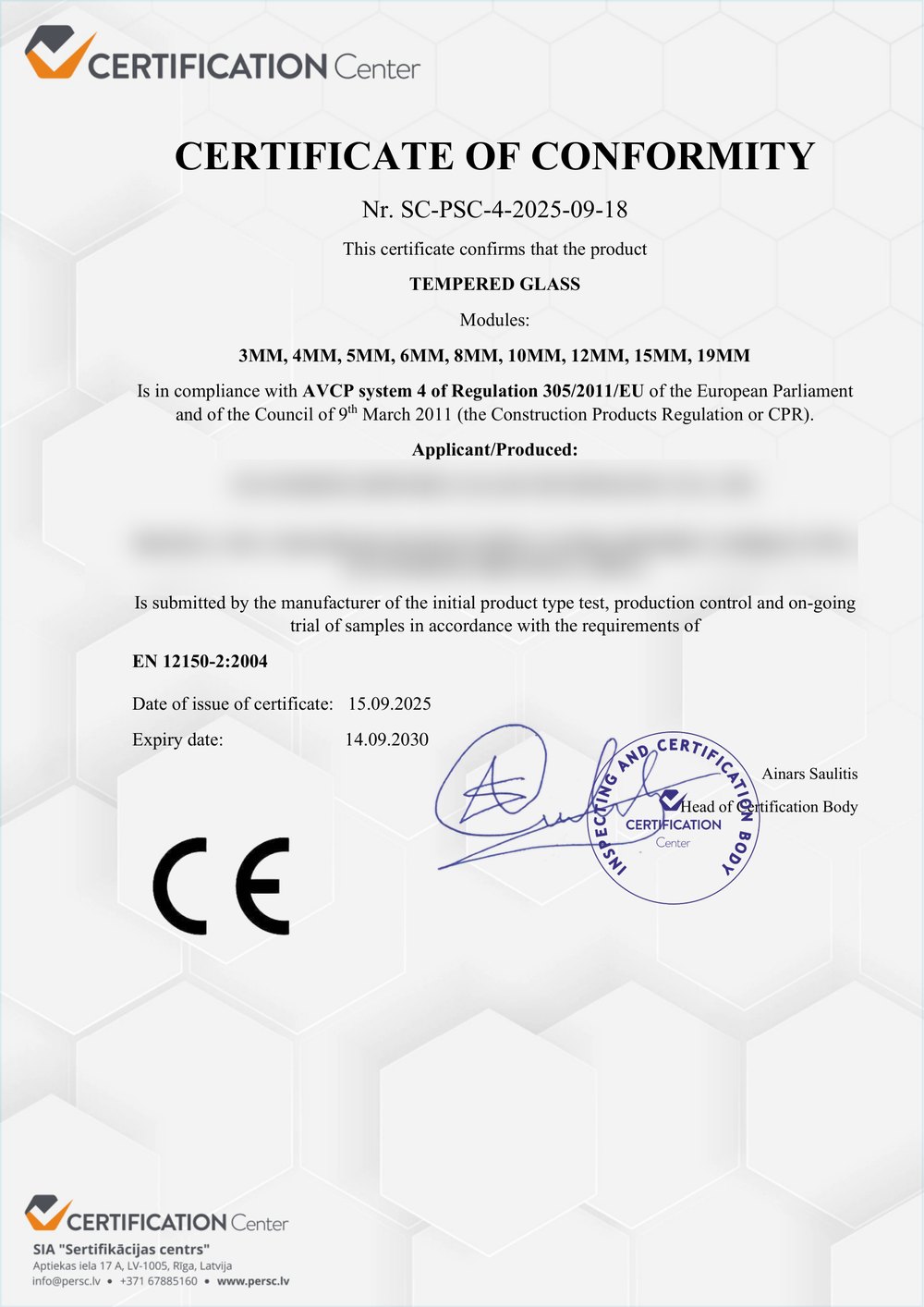
✓ CE EN 12150 Compliant
✓ US SGCC Certified
✓ Australia AS 2208 Standard
✓ NZ AS/NZS 2208 Verified
✓ Thailand TISI Certified
✓ Malaysia CIDB PPS Approved
Every project order processed by KARON undergoes rigorous full-process quality inspection: raw material billet testing, profile wall thickness verification, anodizing/powder-coating thickness checks, double-component corner crimp sealing, water-tightness pressure testing, and pre-shipment crating verification. Our systems are successfully installed in premier global projects including the Kora Beach Resort Phuket (672 units) and luxury private residential developments in the USA, France, Greece, Vietnam, and Australia.
Procurement Guidance FAQ
Frequently Asked Questions by Commercial Buyers
Direct technical answers for architects, general contractors, developers, and fenestration importers sourcing from China.
What is the structural difference between an awning window and a hopper window? ▼
An awning window is top-hung and opens outward from the bottom sash, making it ideal for rain protection while open. A hopper window is bottom-hung and opens inward from the top sash. Hopper windows are primarily engineered for basements, lower floor elevation security, high-altitude commercial ventilation, and interior corridors where exterior sash projection is restricted or hazardous.
Why is Polyamide PA66 GF25 preferred over PVC for thermal break profiles in China? ▼
Polyamide PA66 reinforced with 25% glass fiber (PA66 GF25) possesses a coefficient of thermal expansion almost identical to extruded aluminium alloy (6063-T5/T6). This prevents internal stress cleavage, strip popping, or structural warping when frames undergo severe temperature fluctuations. Low-grade PVC thermal strips expand and contract at radically different rates than aluminium, leading to frame seal failure within 2 to 3 years.
How do Chinese factories handle surface finishing to prevent corrosion in coastal areas? ▼
For coastal or high-salinity projects, qualified suppliers like KARON utilize PVDF (Fluorocarbon) spray coating or Qualicoat-certified powder coating with pre-anodized surface pretreatment. This guarantees salt spray resistance exceeding 3,000 to 5,000 hours under ASTM B117 testing standards, preventing chalking, pitting, or film peeling.
Can KARON produce hopper windows according to custom architectural drawings and schedules? ▼
Yes. 100% of our production is customized to client architectural drawings, window schedules, opening tolerances, glass performance criteria (Low-E, Argon gas fill, acoustic interlayers), hardware specifications (German Siegenia/Hoppe or premium domestic Kin Long), and custom RAL color matching.
What is the standard lead time and container packing method for overseas export orders? ▼
Standard production lead time is 25 to 35 days following final shop drawing confirmation and deposit receipt. Products are packed using protective PE scratch film, corner plastic guards, multi-layer corrugated cardboard wrap, and fully enclosed IPPC-certified fumigated plywood crates to ensure zero shipping damage during ocean transport.
What quality certifications are supplied for building permit compliance in North America & Oceania? ▼
KARON provides full test reports and certification documentation including US SGCC (Safety Glazing Certification Council), Australia AS 2208 / AS2047, New Zealand AS/NZS 2208 (single pane & laminated), CE EN 12150, Thailand TISI, and Malaysia CIDB PPS. All certificates are verifiable via independent registry numbers.
Ready to Request Engineering Quotations or Shop Drawings?
Submit your architectural drawings, window schedules, or target performance requirements. Our senior fenestration engineers will provide structural proposals, thermal performance analysis, and factory-direct pricing within 24 hours.