Architectural Aluminium Window & Mesh Door Solutions
Direct factory supply engineered to international standards (CE, SGCC, AS 2208, TISI, CIDB).
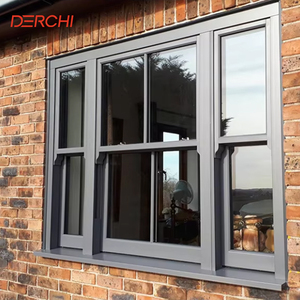
Derchi American Style Aluminum Alloy Single Hanging Vertical Sliding Window Pit Hurricane Sash Window
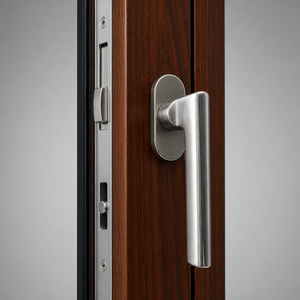
Arched Aluminum Clad Wooden Modern Window Sunburst Fanlight Thermal Break Composite Double Pane Tempered Glass Bedroom Villa 5
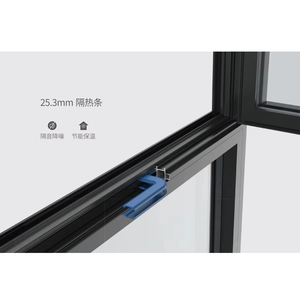
Fuson Hotel Airproof Aluminum Frame Casement Window Aluminum Storm Casement Windows
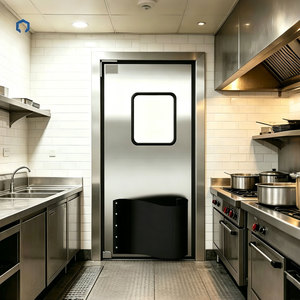
180° Commercial Aluminum Swing Impact Door With Glass Window,Automatic Single Leaf Restaurant Kitchen Door
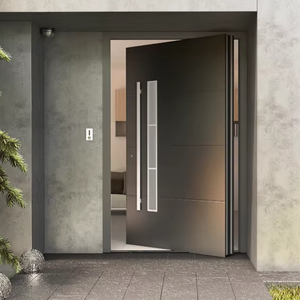
CBMmart Miami-Dade Certificate NFRC North American Style Panel Tempered Glass Aluminium/Metal Modern Entrance Front Pivot Doors
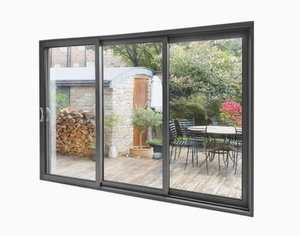
Black Aluminum Double Glazed Low E Glass Soundproof Exterior Sliding Doors for Bedrooms Kitchens Living Room Warehouse Apartment
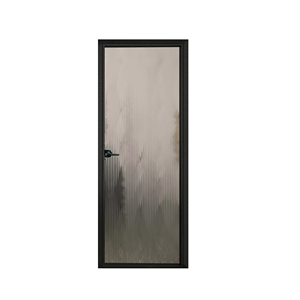
Aluminium Bathroom Doors Interior Cheap Bathroom Glass Door
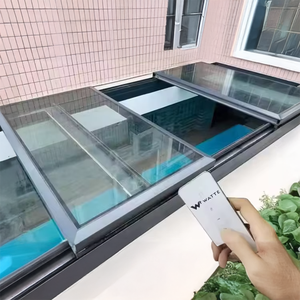
Modern Remote Control Automatic Opening Roofing Window House Villa Large Size Aluminum Electric Sliding Flat Roof Glass Skylight
China Aluminium Mosquito Net Door Manufacturing Landscape
The global architectural fenestration market has experienced a fundamental transformation over the past decade. Modern architectural designs increasingly demand seamless integration between indoor living spaces and outdoor environments without compromising thermal efficiency, structural integrity, insect control, or home security. Within this evolving framework, Aluminium Mosquito Net Doors—often integrated into multi-track sliding systems, heavy-duty thermal break casement doors, or retractable screen assemblies—have transitioned from simple pest barriers into highly sophisticated, multi-functional fenestration systems.
China, and specifically the Foshan manufacturing hub in Guangdong province, accounts for the overwhelming majority of international architectural aluminium profile extrusions and finished door systems. Sourcing directly from leading Chinese manufacturers offers commercial developers, general contractors, architectural firms, and regional distributors unprecedented economies of scale, extensive structural customization, and advanced alloy metallurgy. However, navigating the vendor landscape requires a granular understanding of profile extrusion alloys (such as 6063-T5 vs. 6063-T6), wire mesh tensile strengths (SUS304 vs. SUS316 security screen vs. fiberglass), hardware mechanical endurance, and international building compliance standards.
KARON Window & Door Co., Ltd.
Operating out of Songxia Industrial Park, Nanhai District, Foshan City, Guangdong Province, Karon Window & Door Co., Ltd. represents the apex of precision engineering in custom architectural aluminium systems. Spanning a 10,000 m² state-of-the-art manufacturing campus, KARON brings over 15 years of specialized expertise in delivering project-grade fenestration solutions to global markets.
Precision Manufacturing
Equipped with modern automatic double-head cutting saws, CNC milling centers, corner crimping machines, and high-pressure polyurethane structural glue injection systems ensuring tight tolerances and structural stability.
Global Compliance & Verification
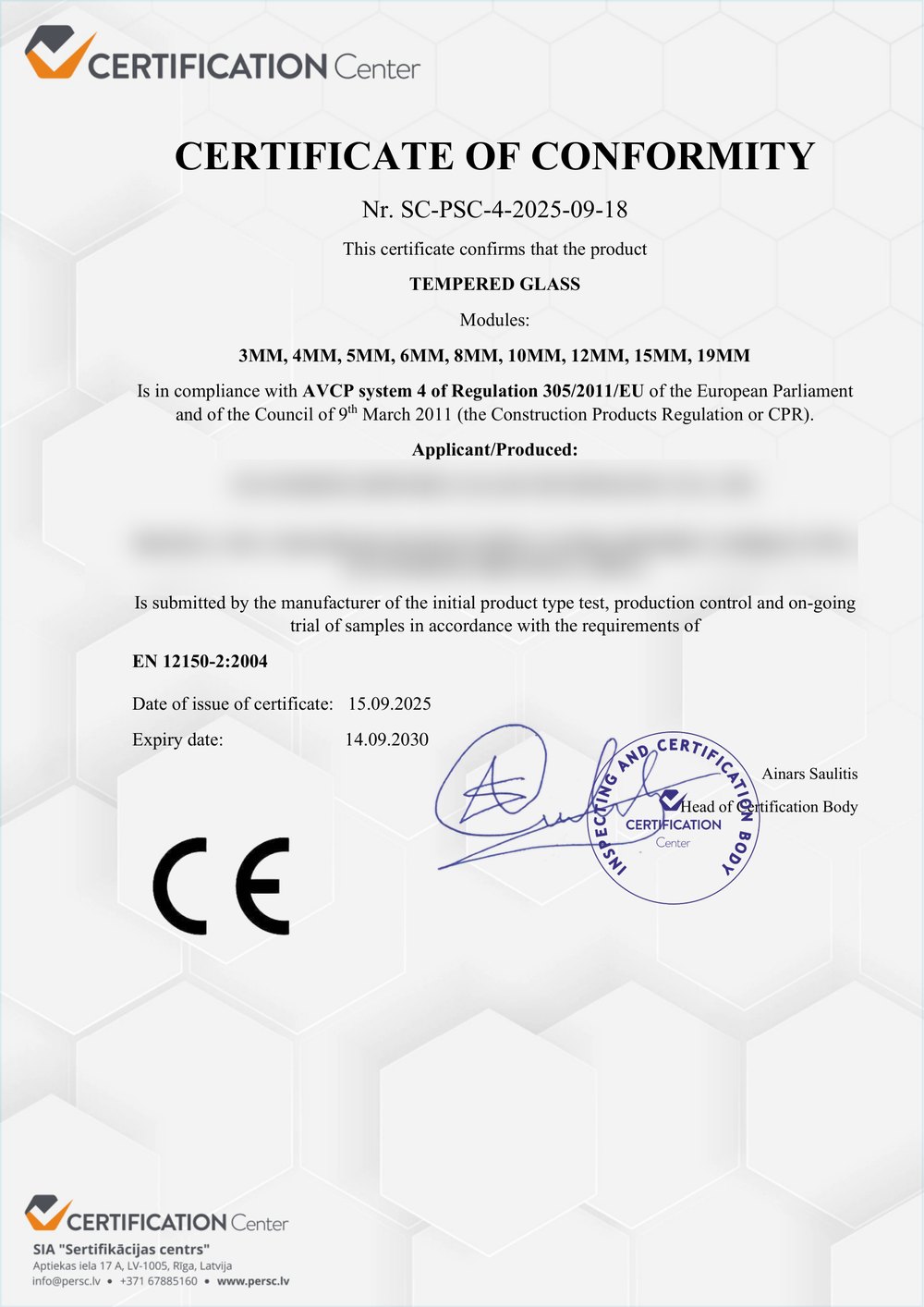
Rigorously certified across major continental standards: European CE (EN 12150), US SGCC Safety Glazing, Australia AS 2208, New Zealand AS/NZS 2208, Thailand TISI (965-2560 / 1231-2560), and Malaysia CIDB PPS.
Complete Drawing Integration
In-house technical engineering teams capable of translating architectural elevations, DWG drawings, and BIM models into precise factory shop drawings prior to profile extrusion and glass processing.
Engineering Matrix: Screen Mesh Materials & Performance Attributes
When specifying aluminium mosquito net doors for residential villas, luxury resorts, or commercial complexes, choosing the correct screen material is vital to balancing airflow, visibility, anti-theft security, and resistance to environmental corrosion. Below is a comparative technical evaluation of the primary mesh systems utilized by top tier Chinese manufacturers.
| Mesh Technology Type | Core Composition | Wire Gauge & Aperture | Primary Functionality | Corrosion Resistance | Recommended Application |
|---|---|---|---|---|---|
| 304 Security Wire Mesh ("King Kong") | SUS304 Stainless Steel | 0.80mm / 11 Mesh | Anti-theft, anti-impact, insect block | High (Powder Coated Finish) | Ground floor doors, security entryways, villa patio doors |
| 316 Marine Grade Security Mesh | SUS316 Stainless Steel | 0.70mm - 0.80mm / 11-14 Mesh | Extreme shear-resistance, anti-burglary | Superior (Salt spray test >1000 hrs) | Coastal resorts, high-humidity marine environments |
| High-Transparency Fiberglass Mesh | PVC-Coated Fiberglass | 0.28mm / 18x16 Mesh | Maximal daylight transmission, insect barrier | Excellent (Non-metallic) | High-rise apartment balconies, interior sliding screens |
| Pleated Retractable Mesh | PET / Organza Polyester | Accordion Fold Design | Concealable, space-saving insect control | Moderate | Bi-fold doors, kitchen pass-through windows, decorative screens |
| Pet-Resistant High-Tension Mesh | Heavy-Duty Vinyl-Coated Polyester | 0.60mm / 15x11 Mesh | Tear-proof against animal claws | High | Residential homes with domestic pets, patio enclosures |
Aluminium Profile Metallurgy & Thermal Break Architecture
The structural framework of a mosquito net door dictates its longevity, wind-pressure resistance, and thermal insulation capabilities. Quality manufacturers in Foshan utilize prime 6063-T5 or 6063-T6 architectural grade aluminium extrusions with wall thicknesses ranging from 1.4mm for standard interior tracks up to 2.0mm–3.0mm for heavy-duty exterior sliding or lift-and-slide door leafs.
Thermal Break Insulation (PA66-GF25)
To eliminate thermal bridging in climate-controlled environments, outer aluminium profile frames incorporate polyamide 66 reinforced with 25% glass fiber (PA66-GF25) thermal barrier strips. This drastically lowers overall U-values while preventing interior condensation.
Surface Treatment & Anodizing
Profiles undergo premium surface finishing to withstand aggressive UV exposure and coastal atmospheric conditions. Options include AkzoNobel fluorocarbon PVDF coating, electro-plated anodizing (up to 25 microns), and architectural powder coating with 10-to-25-year anti-fading warranties.
Hardware & Multi-Point Locking
Security screen doors are fitted with specialized German or high-grade domestic hardware systems (such as Siegenia, Hoppe, or Kinglong). Heavy-duty stainless steel multi-point lock mortises lock the leaf at 3 to 5 separate points simultaneously to stop forced entry.
Future Sourcing & Technological Trends (2025–2030)
As international architectural requirements lean toward ultra-minimalist aesthetics, energy efficiency, and smart automation, mosquito net door designs are undergoing rapid technological evolution. Global buyers should align their procurement strategies with several rising innovations:
- Smart Motorized & Sensor-Driven Retractable Screens: Automated screen doors equipped with quiet brushless DC motors, integrated smart home connectivity (Zigbee/Matter/WiFi), and wind-sensor auto-retraction mechanisms that automatically protect screen mesh during sudden storms.
- Ultra-Slim Sightline Frame Architectures: High-strength micro-frame aluminium profiles with visible frame widths under 20mm, providing maximized panoramic glass viewing while housing magnetic hidden insect screens within the outer frame pocket.
- Multi-Track Integrated Screen Systems: Seamless 3-track and 4-track sliding door profiles that combine double/triple insulated glass panels with heavy-duty SUS316 security screen panels within a single unified sill profile, simplifying site installation.
- Acoustic & Pollen Filtering Mesh Layers: Multi-layered screening solutions featuring electrostatically charged micro-filtration meshes capable of blocking fine urban dust, airborne pollen particulates, and PM2.5 pollutants alongside micro-insects.
Frequently Asked Sourcing Questions (FAQ)
Key technical insights for architects, developers, and commercial buyers sourcing from China.
Where is the KARON factory located and what does it manufacture?
Which international certifications do KARON products hold?
Can you manufacture windows and screen doors to custom architectural drawings?
What is the difference between SUS304 security screen mesh and fiberglass mesh?
How do thermal break profiles enhance mosquito net door performance?
What is the lead time and packing standard for international container shipments?
Ready to Engineer Your Project's Fenestration Package?
Consult directly with KARON's architectural engineering team for detailed technical quotes, profile CAD drawings, and factory direct pricing tailored to your specification.
Get a Quote