Certified Aluminium Windows & Architectural Door Systems
Explore our top-rated thermal break casement windows, Crittall-style minimalist doors, accordion bi-folds, and heavy-duty sliding systems built for global compliance.
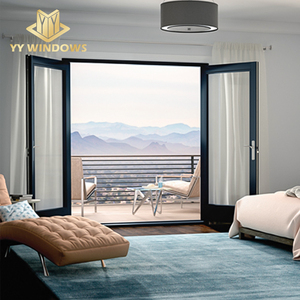 Casement Door
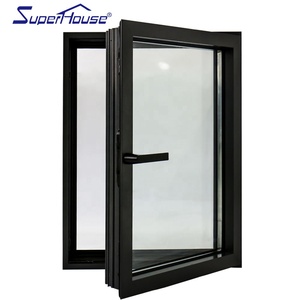 Triple Glazed
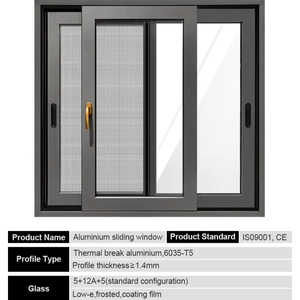 Sliding System
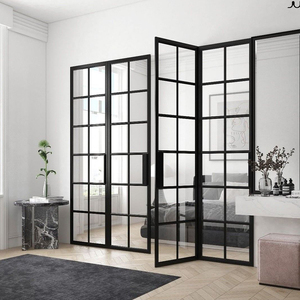 Slim French Door
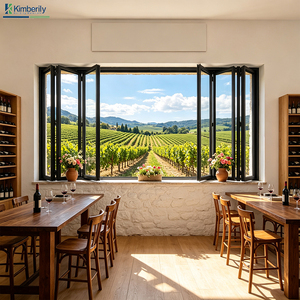 Bi-Fold Window
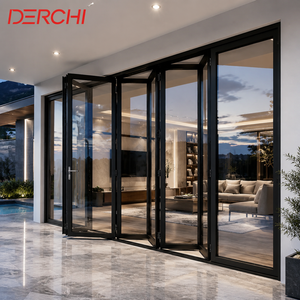
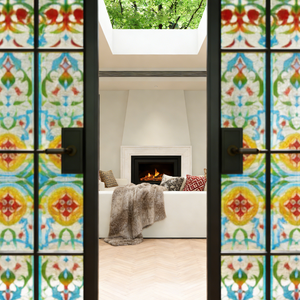 Crittall Style
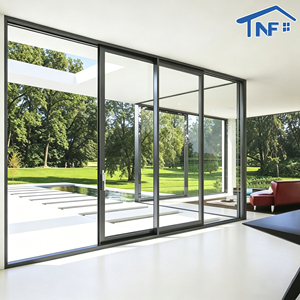
1. Manufacturing Excellence & Structural Metallurgy in Foshan, China
As the international architectural sector pivots toward demanding thermal envelope requirements and expansive glazing spans, selecting a premier China aluminium open window manufacturer requires evaluating material science, precision extrusion engineering, and surface treatment integrity. Foshan, Guangdong stands as the global epicenter of structural aluminium extrusion, and Karon Window & Door Co., Ltd. leverages this industrial cluster to deliver project-grade fenestration systems tailored to strict international building codes.
Our 10,000 m² standardized manufacturing facility operates state-of-the-art multi-axis CNC machining centers, automatic corner-crimping cells, and robotic silicone sealant dispensing systems. Unlike commercial-grade fabricators utilizing recycled aluminium scrap, KARON exclusively specifies 6063-T5 and high-tensile 6063-T6 primary aluminum alloy billets. This guarantees profile tensile strength exceeding 205 MPa and yield strength above 170 MPa, providing structural resistance against hurricane-level wind loads (ASTM E330 testing up to 5000 Pa).
| Performance Indicator | Technical Specification | Test Standard / Certification | Application Impact |
|---|---|---|---|
| Thermal Transmittance (U-Value) | 0.8 to 1.4 W/m²K (Uw) | NFRC 100 / EN ISO 10077-1 | Passivhaus & Title 24 Energy Compliance |
| Structural Wind Load | Class P3 / Up to 5.0 kPa | ASTM E330 / AS 2047 / EN 12210 | High-rise & Coastal Hurricane Zones |
| Water Penetration Resistance | 700 Pa Static & Dynamic | ASTM E331 / BS EN 12208 | Zero Ingress under Severe Storm Conditions |
| Acoustic Damping (STC / Rw) | STC 38 - 45 dB (Laminated IGU) | ASTM E90 / ISO 717-1 | Urban Commercial & Airport Hotel Isolation |
| Air Infiltration Rate | < 0.1 L/s·m² at 75 Pa | ASTM E283 / EN 12207 Class 4 | Prevents Uncontrolled Building HVAC Loss |
To eliminate thermal bridging in extreme climates, KARON integrates polyamide PA66-GF25 structural thermal breaks manufactured with 25% fiberglass reinforcement. Featuring a thermal conductivity of just $\lambda = 0.3 \text{ W/m·K}$—compared to raw aluminum's $\lambda = 200 \text{ W/m·K}$—our multi-cavity thermal break profiles reduce frame heat transfer by over 65%. Continuous EPDM (Ethylene Propylene Diene Monomer) gasket seals ensure multi-stage weather stripping, safeguarding interiors from rain penetration and air infiltration.
Why Leading Global Developers Partner with KARON
Operating out of Songxia Industrial Park, Nanhai District, Foshan, Karon Window & Door Co., Ltd. serves architects, general contractors, and B2B importers across North America, Europe, Australia, and Southeast Asia. Our integrated production lifecycle ensures complete accountability from CAD shop drawings to container stuffing.
- ✔ Strict Material Traceability: Certified primary 6063-T5/T6 alloy profiles with AkzoNobel or PPG fluorocarbon PVDF powder coatings guaranteed for 20+ years against chalking and fading.
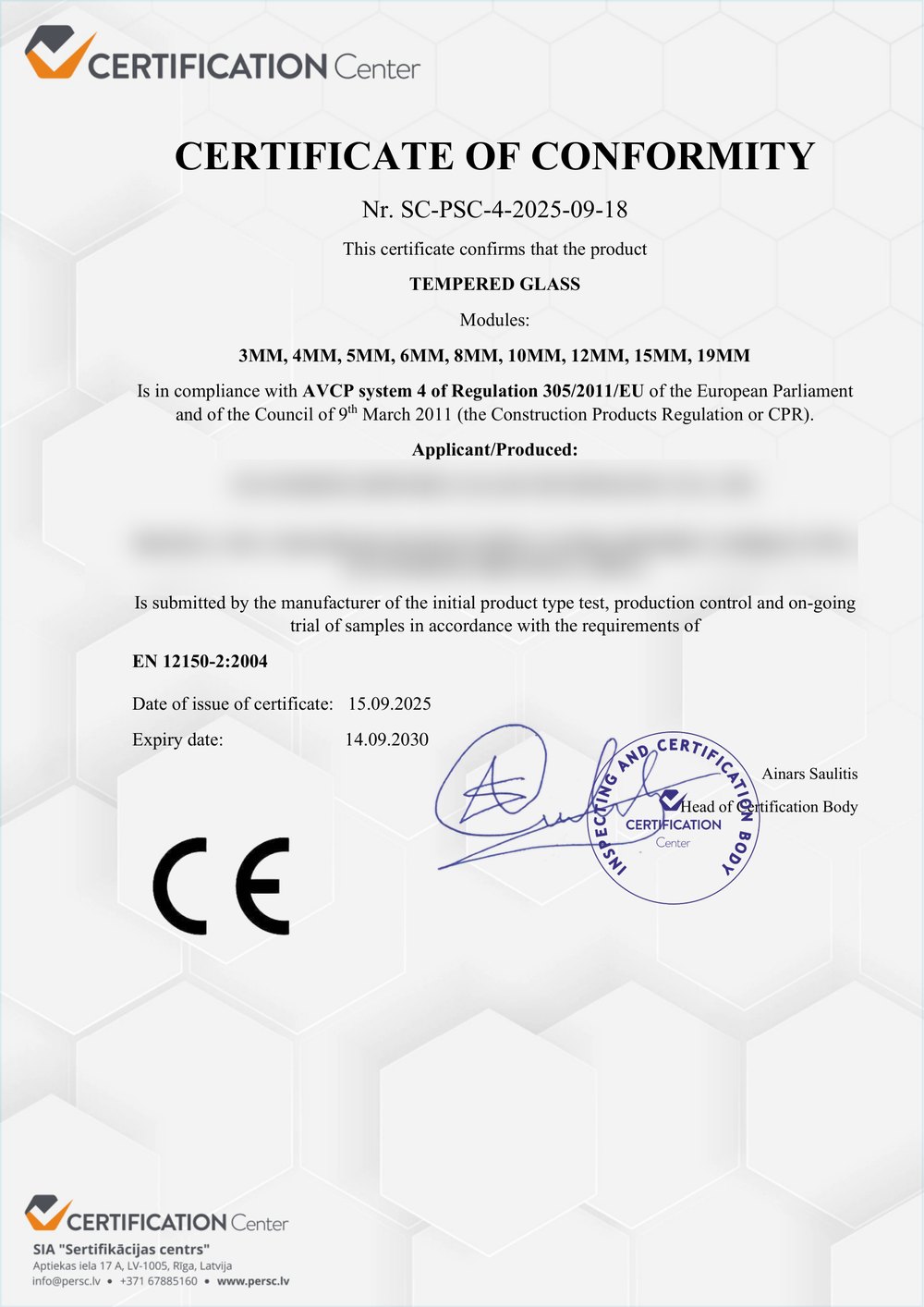
- ✔ Global Certification Portfolio: Fully audited compliance including US SGCC safety glazing, European CE (EN 12150), Australian AS 2208, New Zealand AS/NZS 2208, Thailand TISI, and Malaysian CIDB PPS.
- ✔ Premium Hardware Integration: Factory partnerships with top-tier hardware brands including SIEGENIA, HOPPE, Roto Frank, CMECH, and Sobinco for silky operation tested over 50,000 open/close cycles.
- ✔ Bespoke Architectural Engineering: Full customization of profile frame depths (50mm to 150mm), triple glazing glass build-ups, micro-ventilation, and Crittall-style ultra-narrow sightlines.
Future Sourcing & Technological Trends in Aluminium Open Windows
Strategic insights for B2B procurement managers, architects, and estate developers navigating modern building codes and architectural shifts through 2030.
1. Ultra-Low U-Value & Vacuum Glazing (VIG)
Global energy performance codes (such as California Title 24, European EPBD, and Australia NCC) are demanding building envelope U-values under $1.0 \text{ W/m²K}$. Sourcing is shifting rapidly toward multi-cavity thermal profiles paired with Vacuum Insulated Glass (VIG) and warm-edge spacers, delivering super-insulated fenestration without excessive profile bulk.
2. Ultra-Narrow Sightlines & Crittall Aesthetics
Modern luxury architecture prioritizes expansive glass ratios and invisible frames. Contemporary aluminium open window factories are engineering structural silicone glazing (SSG) with frame sightlines under 18mm. This minimalist steel-look (Crittall style) delivers raw industrial elegance with modern thermal break insulation.
3. Automated Motorization & Smart Building Integration
Open window systems are becoming active nodes in smart HVAC networks. Concealed electric chain actuators integrated into top-hung or parallel-opening windows automatically respond to indoor CO2 levels, rain sensors, or wind shear forces. B2B buyers now seek factories capable of pre-wiring concealed smart motorized hardware.
2. Rigorous International Compliance & Quality Assurance
Exporting custom architectural fenestration requires navigating complex regional compliance standards. A major risk for overseas procurement officers is importing windows that fail local building inspections or glass safety mandates. KARON eliminates this friction by maintaining certified third-party testing credentials across major global jurisdictions.
North American Compliance (USA & Canada)
Our tempered glass units bear the US SGCC (Safety Glazing Certification Council) hallmark, meeting ANSI Z97.1 and CPSC 16 CFR 1201 safety impact criteria. Complete window units are engineered to pass NFRC 100/200 thermal simulation testing for Title 24 compliance.
Oceania Building Standards (Australia & NZ)
Certified under SAI Global AS 2208 and CSi PAS-Mark AS/NZS 2208 for single pane and laminated safety glass. Frames are tested in accordance with AS 2047 for deflection, air infiltration, water resistance, and ultimate strength.
Furthermore, KARON holds official certifications for European CE (EN 12150), Thailand TISI (965-2560 & 1231-2560), and Malaysia CIDB PPS. Every production run undergoes factory quality control checkpoints, including raw profile wall thickness measurements (≥ 1.4mm for windows, ≥ 2.0mm for heavy doors), corner crimping shear strength checks, continuous seal gasket inspection, and water bath testing under simulated storm pressures.
Delivered Global Project Achievements
From luxury villa developments in Texas and coastal Greece to 600+ unit resort hotels in Phuket, KARON delivers project packages on time and within budget.
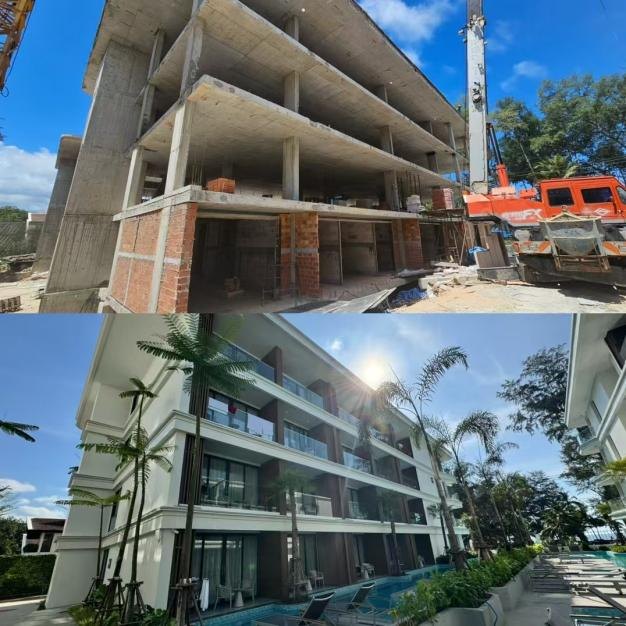
Kora Beach Resort Phuket
Scope: 672 units across 9 low-rise buildings. Complete sliding door & window package.
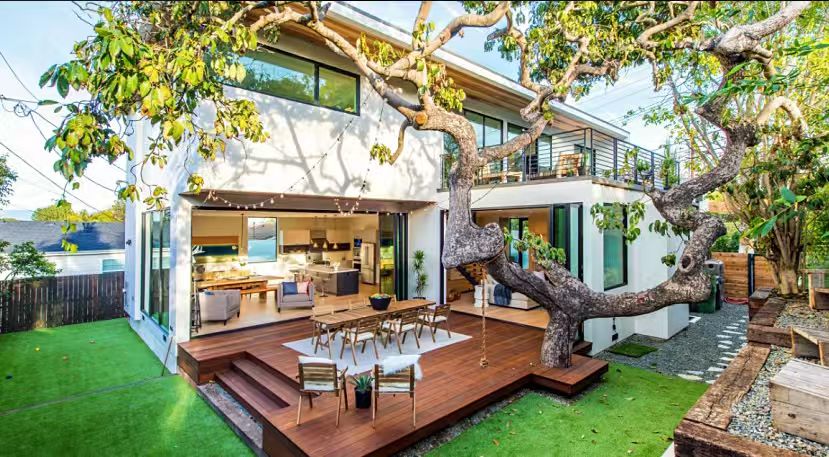
Texas Luxury Residence, USA
Scope: Custom high-performance thermal break casement windows & bi-fold patio doors.
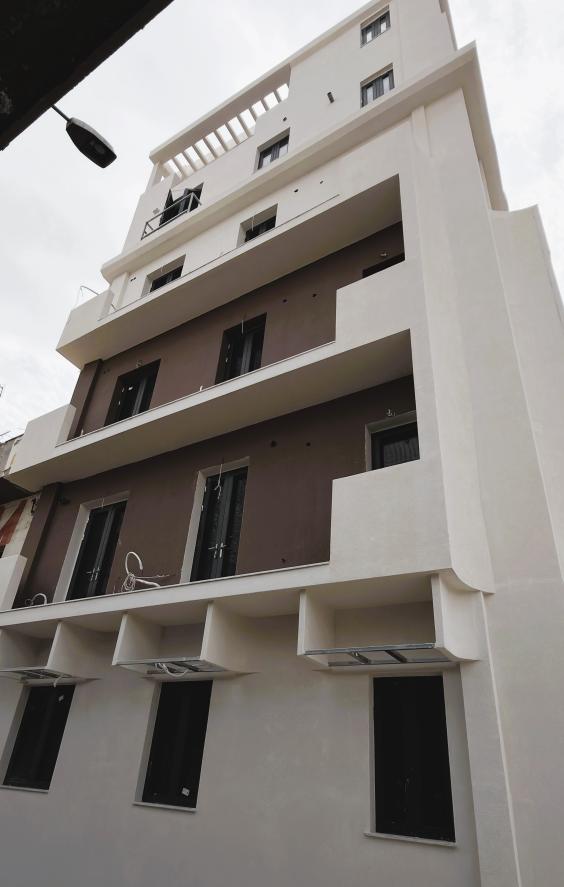
Azure Blue Residence, Greece
Scope: Coastal villa development featuring salt-spray resistant anodized frames.
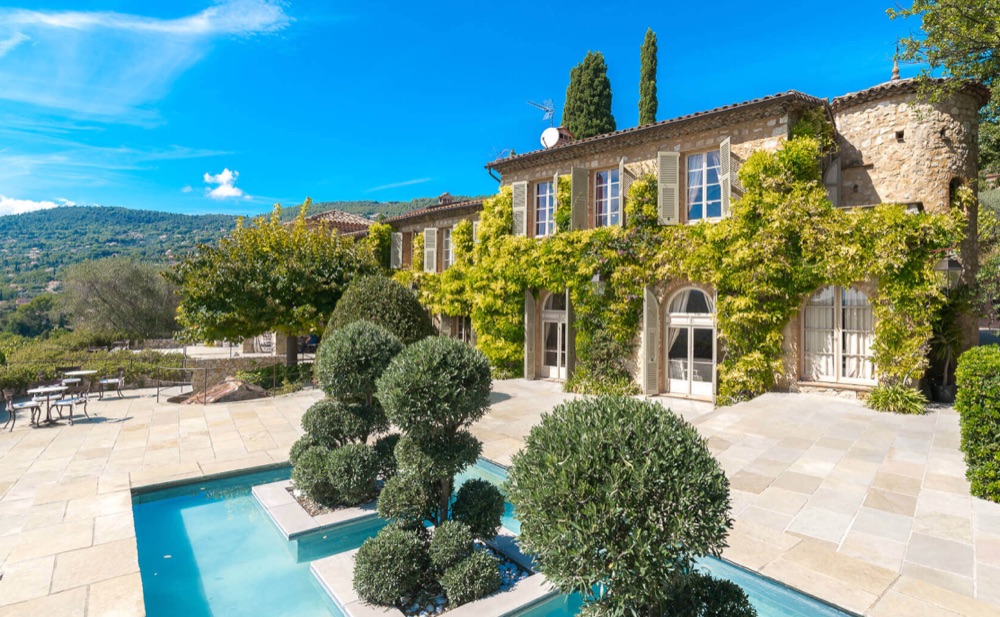
Les Jardins de la Mer, France
Scope: European style ultra-slim tilt & turn window and entrance door solutions.
Frequently Asked Questions for Sourcing Aluminium Windows
Clear answers addressing technical customization, engineering approval, ocean freight logistics, and certification verification.
Why source custom aluminium open windows directly from a Foshan manufacturer?
What is the difference between thermal break and non-thermal break aluminium profiles?
Can KARON engineer windows according to custom architectural drawings?
How does KARON protect fragile glass and frames during ocean transport?
What certifications can KARON provide for regional building code approval?
What are the standard lead times for custom window production and delivery?
Ready to Elevate Your Architectural Project?
Send your architectural floor plans, window schedules, or target performance specifications directly to our engineering department. We will deliver complete shop drawings and a detailed cost quotation within 24 hours.