Featured Architectural Aluminum Window & Door Systems
Precision-engineered fenestration solutions tested for wind-load resistance, acoustic dampening, and thermal efficiency. Certified for global construction standards.
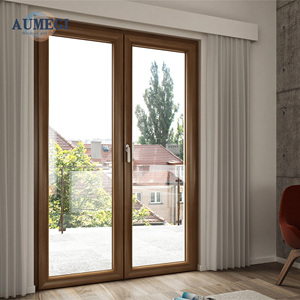
AUMEGI NFRC German Style Casement & Tilt-And-Turn Windows
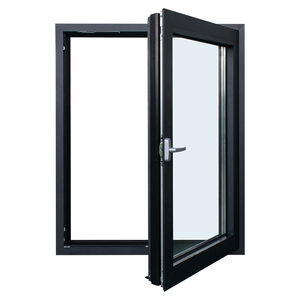
USA Standard Hurricane Impact Combination Tilt & Turn Windows
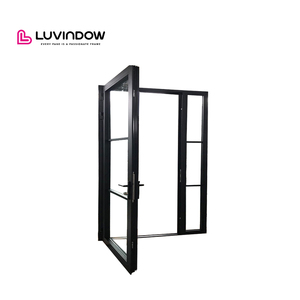
Thermal Broken Soundproof Aluminum Swing Doors for North America
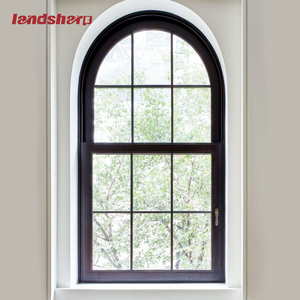
Landsharp Double Glazed French Casement & Arched Windows
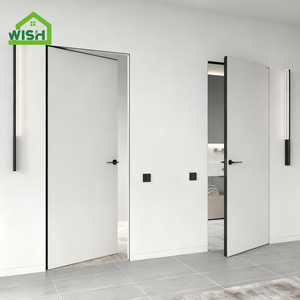
Modern Aluminium Frameless Invisible Flush Mounted Interior Door
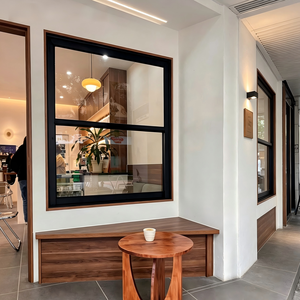
Factory Price Aluminum Profile Double Glazed Single Hung Windows
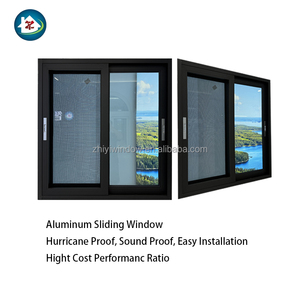
Hurricane Impact Thermal Break Sliding Window with Stainless Mesh
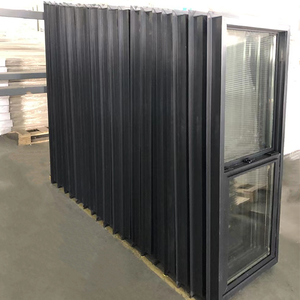
American Style Black Thermal Break Single Hung Storm Windows
Foshan Manufacturing Excellence & Engineering Rigor
Headquartered in Foshan, Guangdong—the world’s epicenter of aluminum extrusion and fenestration technology—KARON operates a 10,000 m² state-of-the-art facility serving global developers, architects, and importers.
Custom Engineering & Shop Drawings
Our in-house structural engineers evaluate CAD/BIM shop drawings, wind load calculations (Pascal rating), and U-factor targets before extrusion tooling begins.
Rigorous International Certifications
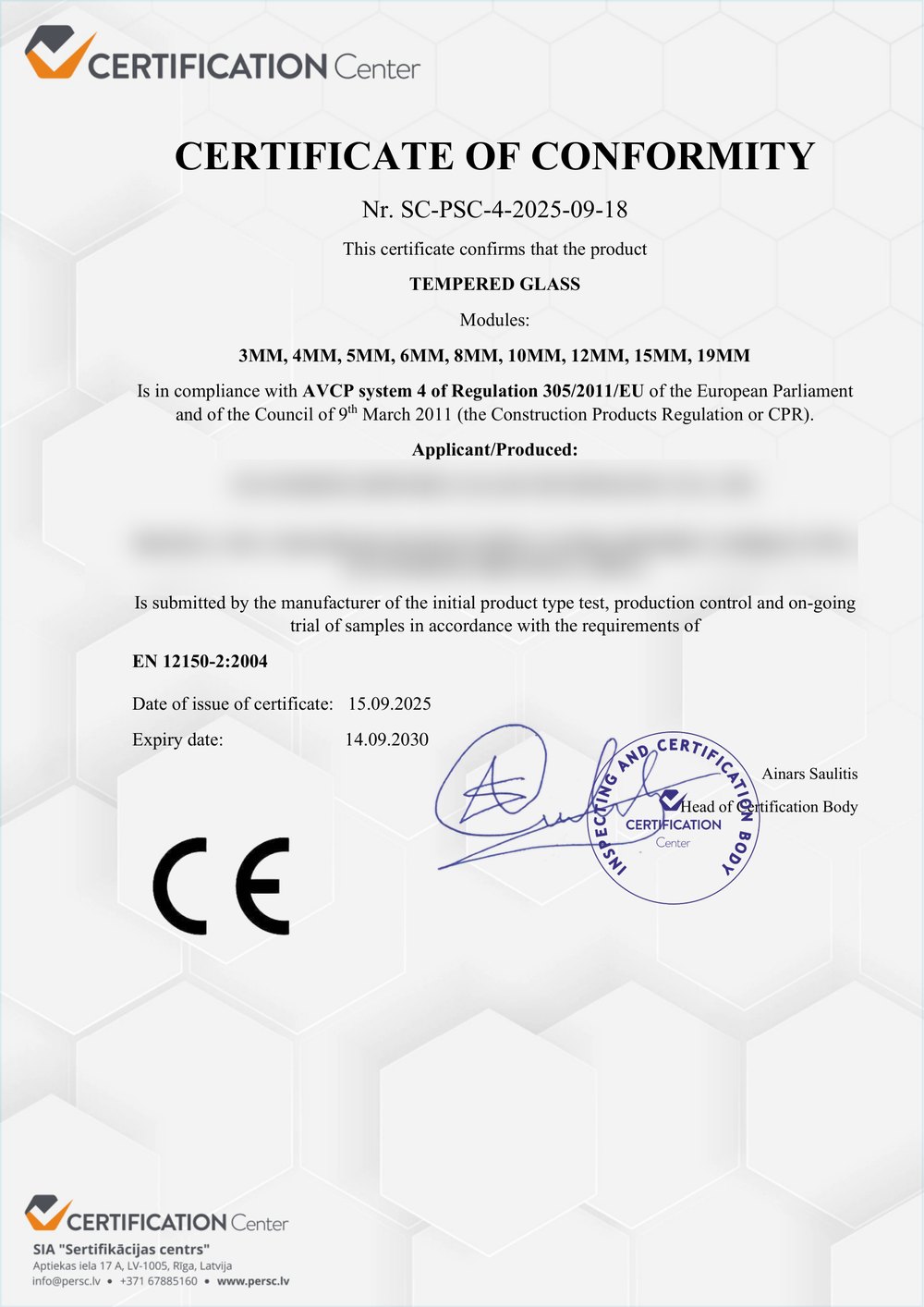
Products are verified under CE (EN 12150), US SGCC, Australia AS 2208, AS/NZS 2208, Thailand TISI, and Malaysia CIDB PPS safety glass standards.
End-to-End Surface Finishing
Utilizing AkzoNobel and PPG fluorocarbon (PVDF) powder coatings providing AAMA 2605 compliance for extreme UV and salt-spray resistance.
Sourcing Architectural Aluminum Windows: Material Engineering & Compliance Matrix
An authoritative guide for construction procurement managers, commercial contractors, and real estate developers sourcing fenestration systems from China.
1. Structural Alloy Metallurgy: 6063-T5 vs. 6063-T6 Extrusions
When procuring high-performance house windows, profile metallurgy dictates structural integrity, wind load resistance, and deflection ratios under peak atmospheric pressure. Primary structural aluminum extrusions should strictly utilize 6063-T5 or 6063-T6 architectural grade alloy with a minimum wall thickness of 1.4mm to 2.0mm for windows, and 2.0mm to 3.0mm for heavy-duty sliding or bi-fold doors.
Compared to secondary scrap-recycled aluminum, virgin billet extrusions offer superior tensile strength (≥ 205 MPa for T6) and ensure uniform anodizing and powder-coating adhesion, preventing intergranular corrosion in harsh marine microclimates.
2. Thermal Break Technology: Polyamide PA66GF25 Integration
Modern energy efficiency codes (such as IECC in North America and Part L in the UK) require low total window U-factors. Standard non-thermal aluminum exhibits high thermal conductivity (~200 W/m·K). To break the thermal bridge, KARON embeds PA66GF25 (Polyamide 66 reinforced with 25% glass fiber) thermal barrier strips.
- Thermal Expansion Compatibility: PA66GF25 matches the thermal expansion coefficient of aluminum extrusions (2.3 × 10⁻⁵ /K), preventing profile de-lamination under extreme seasonal temperature swings (-30°C to +80°C).
- Structural Shear Strength: Provides high mechanical shear strength necessary to maintain frame rigidity under heavy hurricane wind loads.
3. Glazing Specification Matrix for Global Markets
Glazing units account for over 70% of a window's total surface area. Selecting the appropriate Insulating Glass Unit (IGU) configuration is paramount to achieving target Solar Heat Gain Coefficients (SHGC) and Sound Transmission Class (STC) ratings.
| Target Region | Building Code Benchmark | Recommended IGU Configuration | Key Performance Metrics |
|---|---|---|---|
| North America (US & Canada) | NFRC / ENERGY STAR / Florida HVHZ | 6mm Low-E + 12Ar + 6mm Laminated (SGP) | U-Factor ≤ 0.24 | SHGC ≤ 0.21 |
| European Union | CE EN 14351-1 / Passive House Standard | 4mm Low-E + 16Ar + 4mm + 16Ar + 4mm Low-E (Triple Glazed) | U-Factor ≤ 0.8 W/m²K | STC 45dB |
| Australia & New Zealand | AS 2047 / AS 1288 / AS/NZS 2208 | 6mm Toughened Clear + 12Ar + 6mm Double Low-E | Design Wind Pressure > 3000 Pa |
| Tropical & Coastal Asia | TISI / CIDB / Typhoon Resistance | 6mm Tinted Green + 9A + 6mm Laminated PVB with 304 Mesh | Salt Spray Resistance > 3000 Hrs |
Future Sourcing & Development Trends in Architectural Aluminum Windows
The global architectural fenestration market is undergoing rapid evolution driven by stringent carbon neutrality mandates, smart home integration, and extreme weather resilience demands.
1. Ultra-Slim Sightline Minimalist Systems
Modern high-end residential architecture favors hidden frames and ultra-narrow interlocking stiles (down to 18mm visible width). Future procurement focuses on high-load bearing stainless steel bottom tracks and motorized sliding hardware that support floor-to-ceiling glass panels up to 800 kg per sash without compromising air seal performance.
2. Smart Electric Lift & IoT Fenestration
The convergence of home automation and window engineering has accelerated demand for smart electric vertical lift windows, motorized tilt-and-turn units, and rain-sensor automated closures. Hidden drive motors fully integrated within the aluminum frame profile allow seamless app-controlled and building management system (BMS) operation.
3. Carbon Neutrality & Recycled Aluminum Billets
With carbon border adjustment mechanisms (CBAM) taking effect in Europe and North America, international buyers require suppliers to provide Environmental Product Declarations (EPD). Utilizing low-carbon aluminum smelted with renewable hydro-power cuts embodied carbon emissions by over 65% across the window manufacturing life cycle.
Frequently Asked Questions for Overseas Procurement
Expert insights addressing critical technical, logistical, and compliance questions when importing aluminum windows from China.
Ready to Optimize Your Project's Window Schedule?
Send us your architectural elevation drawings or CAD files. Our engineering team will return custom shop drawings, U-value calculations, and an itemized factory quotation within 24 hours.