High-Performance Architectural Windows & Entrance Systems
Engineered for extreme structural loads, superior U-value thermal retention, and seamless aesthetic integration.
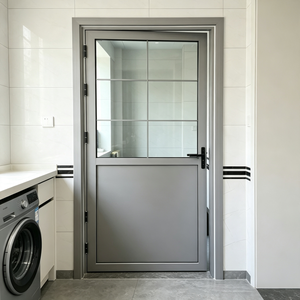
High Quality Minimalist Narrow Frame Half Glass Panel Aluminum Alloy Interior Door For Bathroom Kitchen
Get a Quote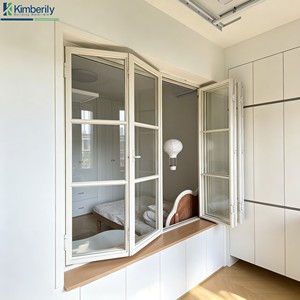
Left and Right Folding Windows Aluminum Bi-Fold Awning Window, for Home & Cafe & Restaurant Service Counter
Get a Quote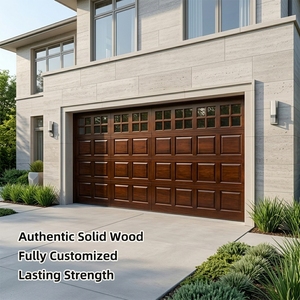
Traditional Weather Resistant Real Wood-Clad Insulated Aluminum Panel Garage Door for House Exterior Entrance Use
Get a Quote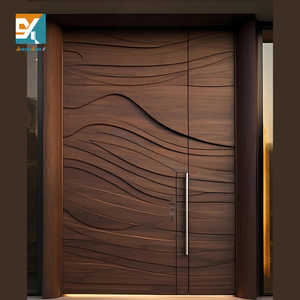
Seeyesdoor Modern Home Security Pivot Door Steel Aluminum Front Double Doors Luxury Walnut Solid Wood Entrance Door
Get a Quote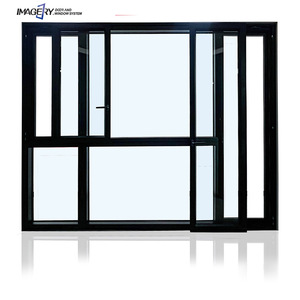
High Quality Tilt And Turn Drifting Customized Window Double Glazed Sliding Drift Aluminum Windows With LOW-E Glass
Get a Quote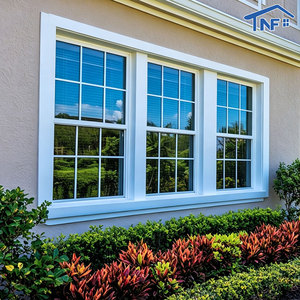
NFRC Energy Saving Thermal Break Aluminum Vertical Sliding Window Soundproof Double Single Hung Windows for Houses Kitchen
Get a Quote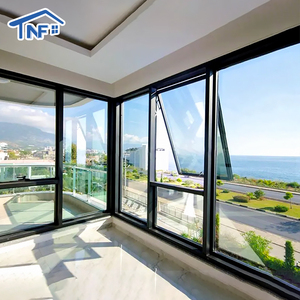
Custom Thermal Break Hand Crank Window Double Glass Manual Handle Ventilation Energy Efficient Awing Casement Aluminum Windows
Get a Quote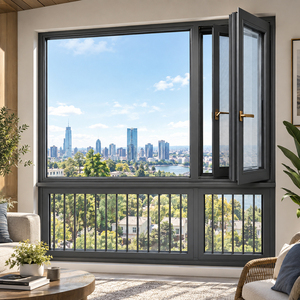
Custom Aluminum Storefront Doors And Windows Glass Entrance Systems For Retail Shops Restaurants And Commercial Buildings
Get a QuoteFoshan Manufacturing Rigor & Global Compliance Standards
Karon Window & Door Co., Ltd. operates a 10,000 m² standardized manufacturing hub situated in Songxia Industrial Park, Nanhai District, Foshan, Guangdong—the recognized world epicentre for architectural aluminium extrusion and hardware precision. Backed by over 15 years of dedicated OEM/ODM export experience, KARON bridges the gap between complex architectural design and rigid structural execution.
Our engineering facility utilizes multi-axis CNC machining, pneumatic corner-crimping, automated insulated glass unit (IGU) sealing lines, and rigorous full-process quality control under ISO 9001 management protocols. From initial CAD drawing audit to containerized export loading, every window and door system undergoes strict air tightness, water penetration resistance, and structural wind pressure load verification.
Factory Benchmark Engineering Capabilities
- ✔ High-Precision Alloys: 6063-T5 / T6 architectural aluminium extrusions with wall thickness up to 2.0mm–3.0mm.
- ✔ Thermal Break Barrier: PA66-GF25 reinforced polyamide strips reducing heat transmission by up to 60%.
- ✔ Glass Configurations: Double/Triple tempered low-E safety glass filled with 95% pure Argon gas infill.
- ✔ Surface Finishing: AkzoNobel powder coating, PVDF fluorocarbon spraying, and anodized corrosion-resistant coatings.
Engineering Architecture of Double Glazed Aluminium Systems
A comprehensive analysis of thermal breaking mechanisms, acoustic dampening physics, and modern fenestration trends.
Thermal Barrier Engineering
Thermal breaking technology introduces a structural non-metallic isolator (typically PA66 polyamide with 25% glass fiber) between interior and exterior aluminium profiles. This interrupts thermal conduction, maintaining low U-values across extreme climate zones.
Acoustic STC/OITC Control
Double glazing utilizes asymmetric glass pane thickness (e.g., 6mm Outer + 12Ar + 5mm Inner) to break soundwave resonance. Combined with multi-point EPDM gasket compression seals, acoustic transmission is reduced by up to 42 dB.
Multi-Lock Security Hardware
Integration with European standard groove (C-groove) hardware including Siegenia, Hoppe, and custom heavy-duty gearboxes guarantees anti-burglary protection (RC2/RC3 compliance) alongside effortless sash operation.
Technical Performance Specification Matrix
When sourcing double-glazed aluminium fenestration for enterprise construction, engineering teams must audit critical performance coefficients. Below is the standard performance benchmark offered by top-tier Foshan exporters like KARON:
| Profile System Type | Thermal U-Value Range (W/m²K) | Acoustic Rating (STC) | Wind Pressure Load (Pa) | Water Tightness (Pa) | Recommended Application |
|---|---|---|---|---|---|
| Non-Thermal Break Aluminium | 4.5 – 5.8 | 28 – 32 dB | 2500 – 3000 Pa | 300 – 450 Pa | Interior Partitions, Tropical Mild Climates |
| Standard Thermal Break (14.8mm PA66) | 2.2 – 2.8 | 35 – 38 dB | 3500 – 4500 Pa | 500 – 700 Pa | Residential Villas, Commercial Low-Rise |
| High-Tech Thermal Break (24mm–30mm PA66) | 1.3 – 1.8 | 38 – 42 dB | 4500 – 5500 Pa | 700 – 900 Pa | Luxury Coastal Villas, High-Rise Residential |
| Passive House Double/Triple Low-E | 0.8 – 1.1 | 42 – 48 dB | > 6000 Pa | > 1000 Pa | Extreme Cold/Hot Climates, Net-Zero Buildings |
Future Procurement & Architectural Fenestration Trends
Strategic insights for developers, general contractors, and hardware importers navigating the 2025–2030 fenestration landscape.
1. The Shift Toward Ultra-Narrow Sightlines & Panoramic Glazing
Modern architectural design prioritizes indoor-outdoor visual continuity. Sourcing trends show an exponential increase in demand for ultra-narrow frame profiles (sightlines under 25mm) capable of carrying heavy, floor-to-ceiling double-glazed panels weighing over 400kg. Exporters must employ high-tensile 6063-T6 aluminium alloys alongside concealed roller tracks and motorized lift-and-slide hardware to ensure visual minimalism without compromising structural deflection standards.
2. Stringent Energy Code Compliance & Low-Carbon Extrusions
With international building codes (such as Energy Star 7.0 in North America, EU Energy Performance of Buildings Directive, and Australia NCC 2022) demanding stricter SHGC (Solar Heat Gain Coefficient) and U-factor thresholds, double-glazed window exporters are moving toward soft-coat double Low-E assemblies filled with 95% Argon gas. Furthermore, global ESG compliance now drives buyers to request environmental product declarations (EPD) and recycled aluminium content in extrusions to minimize embodied carbon.
3. Smart Electric Lift & Motorized Ventilation Integration
Commercial building automation systems (BAS) are increasingly incorporating motorized window actuation. Modern aluminium tilt-and-turn windows and vertical drifting sash systems now feature embedded micro-actuators compatible with smart home interfaces, automatic rain sensors, and central HVAC control units. Sourcing partners require exporters who provide pre-wired, factory-tested electrical conduits directly integrated into the window frame assembly.
4. Integrated Sunroom & Whole-House Customization Bundling
International buyers are moving away from fragmented procurement. Instead of sourcing windows, sliding doors, glass railings, and sunroom structures from disparate vendors, top developers favor single-factory bundling. This consolidated approach guarantees absolute color consistency across powder-coat finishes, unified glass tint matching, and synchronized shipping logistics that drastically decrease site installation friction.
Frequently Asked Sourcing & Procurement FAQ
Essential answers for architects, trade importers, and construction procurement managers.
Where is the KARON manufacturing facility located and what product lines are produced?
What structural and safety glazing certifications do your export products carry?
How do you engineer custom aluminium double glazed windows to match architectural drawings?
What is the technical benefit of Thermal Break aluminium over Standard profiles?
What project types and global markets has KARON supplied?
How does KARON ensure damage-free sea freight transport for heavy double-glazed units?
Ready to Engineer Your Next Fenestration Project?
Send us your architectural drawings, window schedules, or target performance requirements. Our facade engineers will issue CAD shop drawings and direct factory pricing within 24 hours.