Featured High-Performance Aluminium Systems
Precision-engineered architectural doors, windows, thermal break sliding profiles, and fire-resistant internal assemblies designed for export-grade global projects.
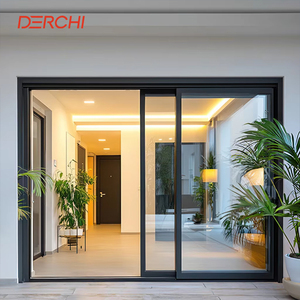
DERCHI NFRC America Standard Large Sliding Glass Doors For Patio Aluminum Frame Thermal Insulation Double Glass Sliding Doors
Get Catalog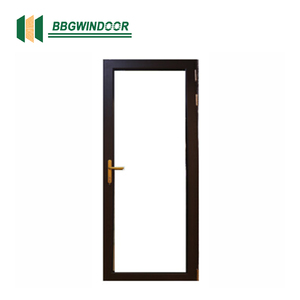
Lukliving Windproof Insulated Crittall Swing Doors French Doors Swing Doors
Get Catalog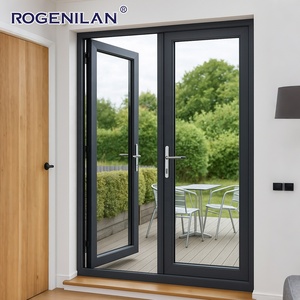
Rogenilan China Supplier Customized Size Aluminum Doors and Window Double Large Glass Fixed French Door for Houses
Get Catalog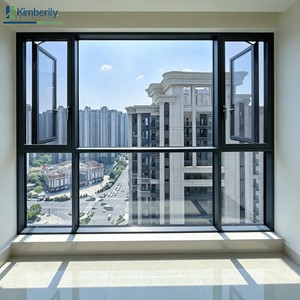
Minimalist Aluminum Alloy Casement Window Hidden Sash Soundproof Double Pane Tempered Clear Glass for Luxury Villa Modern
Get Catalog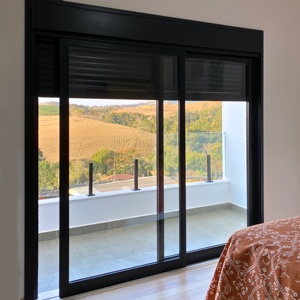
Interior Sliding Doors Aluminum Profiles windproof heat insulation Double Tempered Glass Door with fly screen for exterior villa
Get Catalog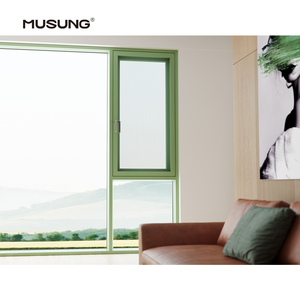
Ultra Narrow Glass Windows and Doors Double Glazed Aluminum Alloy Line Slimline Window Casement Windows
Get Catalog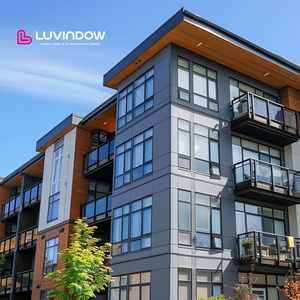
High Performance Thermal Break Aluminum Windows Double Glazed Soundproof Casement Windows For Hotel Apartment Projects
Get Catalog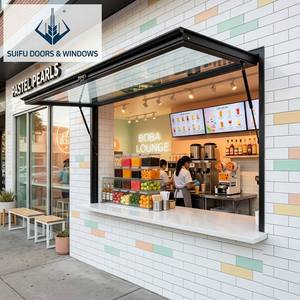
Modern Aluminum Awning Window Slim Frame Double Glazed Soundproof Ventilation Custom Size China Factory Hurricane Impact Rated
Get Catalog1. The Paradigm Shift in Architectural Fire Integrity: Why Aluminium Internal Fire Doors are Overtaking Traditional Timber & Steel
In modern commercial, luxury residential, and hospitality architecture, fire safety regulations are no longer viewed merely as passive compliance hurdles. Instead, they serve as integral pillars of structural design and occupant survival strategy. Historically, real estate developers and specifiers faced a restrictive trade-off: traditional hollow metal steel fire doors provided structural robustness but suffered from industrial aesthetics, excessive weight, and susceptibility to surface degradation. On the other hand, timber fire doors offered interior warmth but lacked structural longevity in high-traffic commercial zones and presented dimensional warping under humid atmospheric conditions.
The introduction of architectural-grade internal aluminium fire door systems has reshaped the structural engineering landscape. Combining high-tensile extruded aluminium alloy frames (typically 6063-T5 or 6063-T6) with insulated fire-core matrix materials, multi-chambered thermal breaks, and ceramic intumescent sealants, modern aluminium fire doors deliver certified fire resistance ranging from 30 minutes (FD30 / EI30) to 120 minutes (FD120 / EI120) under rigorous global testing protocols including BS 476 Part 22, EN 1634-1, and UL 10C.
Information Gain Insight: Unlike standard non-rated aluminium profiles that soften at approximately 600°C, fire-rated aluminium doors utilize proprietary ceramic-reinforced inner cores, polyamide PA66GF25 thermal insulation breaks, and expandable intumescent strips that react at 180°C, swelling up to 25 times their original volume to form an airtight, flame-impervious barrier against toxic smoke and radiant thermal energy transfer.
Core Structural Engineering & Material Composition
To understand why leading commercial developers source aluminium internal fire doors directly from verified Foshan manufacturing hubs, one must examine the internal physical anatomy of an engineered fire door system:
6063-T6 Alloy Frame Profiles
Extruded aluminium alloy featuring uniform wall thickness (1.8mm–3.0mm) ensuring maximum structural rigidity, precise corner crimping strength, and resistance to impact loading in emergency evacuations.
Intumescent Smoke Gaskets
Dual-action graphite or sodium silicate intumescent strips embedded within the frame rebate. Upon exposure to high heat, they expand instantly, sealing all perimeter gaps to stop toxic gas migration.
Fire-Resistant Safety Glazing
Multi-layer tempered ceramic glass featuring clear gel interlayers (e.g., Pyrostop/Pyroguard). In a fire event, gel layers turn opaque, absorbing radiant thermal radiation and keeping unexposed glass surfaces cool.
2. Technical Performance Matrix: Fire Door Material Comparison
When engineering specifications for multi-family residential towers, luxury resort complexes, or commercial headquarters, procurement managers must evaluate total cost of ownership (TCO), physical longevity, acoustic insulation, and compliance. Below is an exhaustive structural evaluation comparing Aluminium Fire Doors with conventional steel and wood alternatives.
| Evaluation Parameter | Aluminium Internal Fire Door | Hollow Metal Steel Fire Door | Solid Core Timber Fire Door |
|---|---|---|---|
| Fire Integrity Ratings | EI30, EI60, EI90, EI120 (BS/EN/UL Certified) | Up to 180 Minutes (UL 10C / NFPA 252) | FD30 / FD60 (BS 476) |
| Frame Profile Depth & Sightlines | Ultra-Slim (45mm - 75mm) Minimalist Profile | Bulky (100mm+) Heavy Duty Frame | Wide (90mm+) Thick Frame Profile |
| Corrosion & Moisture Resistance | Exceptional: Anodized / Fluorocarbon (PVDF) Coated | Moderate to Poor (Requires continuous paint maintenance) | Poor (Susceptible to humidity swelling & rot) |
| Acoustic Insulation (R_w Rating) | High Performance: Up to 45 dB with drop-down seals | 32 dB - 40 dB depending on core mineral wool | 28 dB - 35 dB depending on core density |
| Recyclability & Environmental Sustainability | 100% Recyclable with low carbon footprint lifecycle | High Recyclability, high energy processing | Biodegradable; limited recycling options |
| Maintenance & Service Life | Zero maintenance; expected service life 30+ years | Frequent re-painting; rust prone in coastal areas | Delamination risk; vulnerable to heavy impact scratches |
3. Global Sourcing Trends: What B2B Buyers & Importers Must Track (2025–2030)
As international building codes become increasingly stringent (such as the EU Energy Performance of Buildings Directive and US IBC 2024 updates), the demand for multi-functional internal door assemblies has accelerated. Global importers and general contractors are no longer sourcing single-purpose doors; they demand integrated solutions combining fire resistance, thermal breaking, acoustic attenuation, and smart building access control.
Trend 1: Ultra-Narrow Slimline Sightlines with Fire-Rated Integrity
Historically, achieving a 60-minute fire rating required thick, unwieldy frames. Advanced extrusion technology now allows premier Foshan manufacturers to fabricate ultra-narrow profiles (under 50mm visible width) without sacrificing structural integrity. Utilizing internal stainless-steel reinforcement sleeves and high-density silicate cores, these doors meet minimalist interior design requirements for modern corporate offices and high-end villas while fulfilling strict fire containment laws.
Trend 2: Smart Access Control & Drop-Down Acoustic Smoke Seals
Modern commercial fire door assemblies increasingly integrate concealed electromagnetic hold-open devices linked to centralized building fire alarm systems. Upon alarm trigger, power drops, and automated heavy-duty concealed door closers securely latch the door. Simultaneously, concealed bottom drop-down automatic seals drop down to press tightly against the threshold, forming an airtight acoustic and smoke barrier.
Trend 3: ESG Mandates & Low-Carbon Recycled Aluminium Extrusions
Tier-1 real estate developers in Europe, North America, and Australia now demand Environmental Product Declarations (EPDs). Sourcing from factories that utilize hydro-powered smelter aluminium and recycled scrap profiles allows project teams to collect crucial LEED and BREEAM sustainability rating points.
Why Global Developers & Importers Partner with KARON
Operating from a 10,000 m² standardized manufacturing plant in Songxia Industrial Park, Nanhai District, Foshan—the world's hub for aluminium profile extrusion—Karon Window & Door Co., Ltd. brings over 15 years of technical expertise to international projects.
Rigorous Global Certification Portfolio
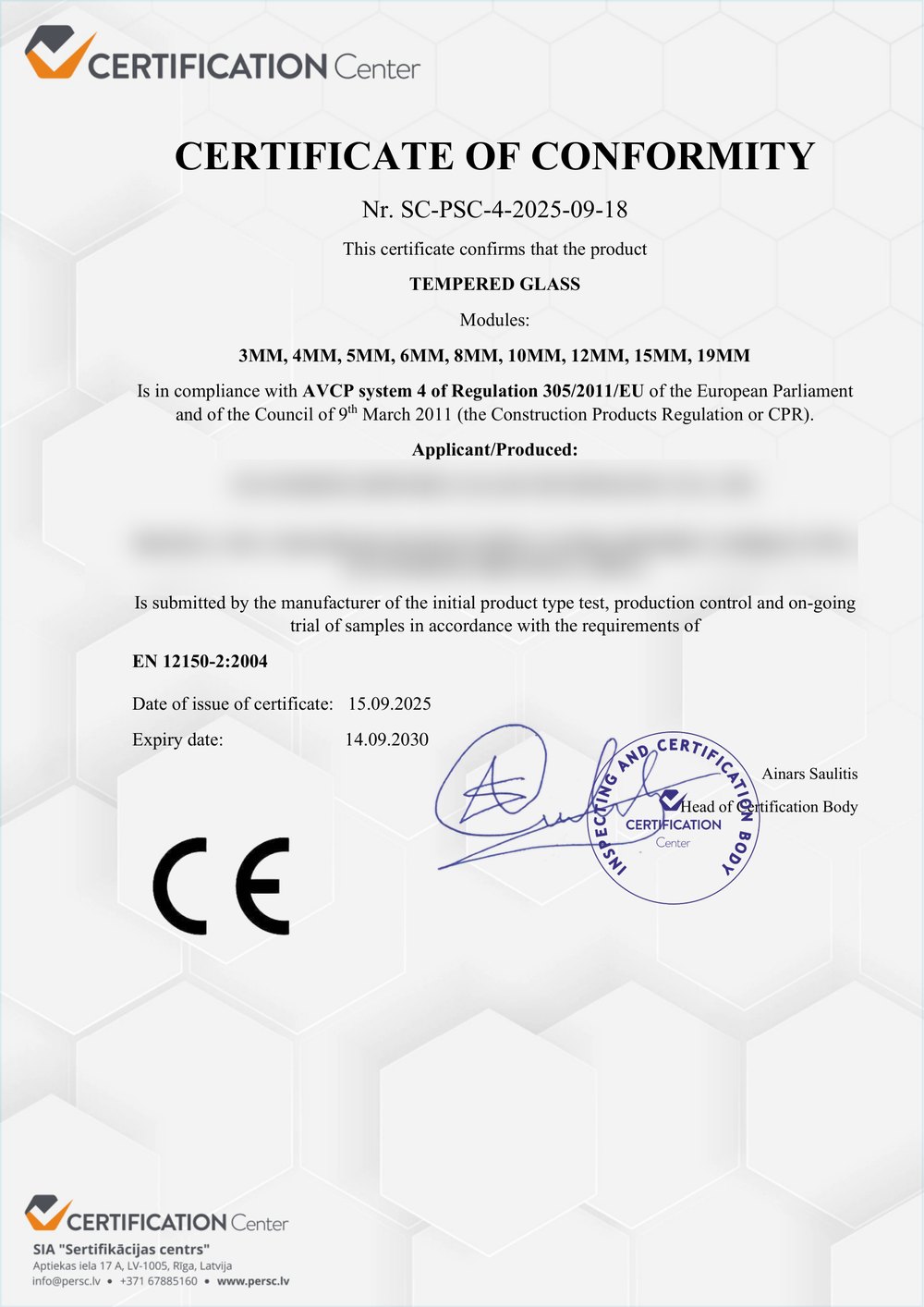
Our products are backed by fully verifiable international testing standards, including EU CE (EN 12150), US SGCC Safety Glazing Certification, Australia AS 2208, New Zealand AS/NZS 2208 (Single Pane & Laminated), Thailand TISI (965-2560 & 1231-2560), and Malaysia CIDB PPS Certification under an ISO 9001 quality regime.
Fully Customized Architectural OEM/ODM
Every batch is manufactured to exact shop drawings, opening styles, profile thermal break depths, glazing specifications, and hardware schedules. Our structural engineering team validates wind load requirements, fire boundary parameters, and corner crimping tolerances prior to production.
Proven Track Record in Benchmark Global Projects
Supplied major international landmark developments including the 672-unit Kora Beach Resort Phuket (9 buildings), Texas Villa USA, Azure Blue Residence Greece, Les Jardins de la Mer France, Vinhomes Ocean Park Vietnam, and Pearl Hotel Patong.
100% Full-Process Quality Inspection
From incoming raw aluminium profile anodizing checks to hardware multi-point lock alignment, glass seal verification, water tightness chamber testing, and protective custom export wooden crating, we eliminate installation surprises on site.
4. Step-by-Step Buyer's Checklist for Importing Aluminium Fire Doors
Navigating cross-border procurement of fire-rated architectural building products requires meticulous technical due diligence. Failing to verify test certificates prior to shipment can result in costly site rejections by municipal building inspectors. Follow this 5-point verification framework when selecting an exporter:
1. Validate Full System Test Reports
Ensure the manufacturer provides a test report for the entire door assembly (frame, leaf, glass, hardware, and gaskets tested together), rather than testing individual materials in isolation.
2. Verify Hardware Fire Resistance
Fire door hinges, multi-point lock bodies, panic exit bars, and automatic door closers must possess independent fire endurance certification (such as UL listed or CE marked) to prevent latch failure during high thermal loads.
3. Audit Packaging & Shipping Specs
Fire-rated glass and aluminium frames require heavy-duty fully enclosed plywood crating with inner shock-absorption foam and corner protectors to withstand oceanic transport vibrations.
5. Frequently Asked Questions (FAQ) for Overseas Procurement
Here are clear engineering answers to the most common questions asked by architects, contractors, project managers, and building product distributors when sourcing custom aluminium internal fire doors and window packages from China.
What is the distinction between integrity-only (E) and insulation (EI) fire door ratings?
In international standards such as EN 13501-2 and BS 476, Integrity (E) measures the door system's ability to physically block flames, hot gases, and smoke from passing through the assembly. Insulation (I) measures the door's capacity to limit temperature rise on the unexposed side of the door (typically keeping average surface rise under 140°C). For internal escape corridors, stairwells, and critical plant rooms, EI-rated doors (such as EI30 or EI60) are mandated to protect evacuating building occupants from dangerous radiant heat transfer.
Where is the KARON factory located and what is your core manufacturing scope?
Karon Window & Door Co., Ltd. operates a 10,000 m² standardized manufacturing facility in Songxia Industrial Park, Nanhai District, Foshan, Guangdong, China. We specialize in engineering and producing custom thermal break aluminium windows, sliding/folding doors, internal fire-rated doors, architectural sunrooms, frameless glass balustrades, and high-end shower enclosures.
Can KARON manufacture custom doors precisely to our architectural drawings and schedules?
Yes, absolutely. We operate on a project-specific OEM/ODM engineering workflow. Every order is produced according to your detailed structural drawings, elevation schedules, specific wall opening dimensions, profile thermal break preferences, powder-coating or anodizing color codes (RAL spectrum), hardware requirements, and glass performance specifications.
Which international building codes and test standards do your products comply with?
Our product series hold accredited international certifications including CE (EN 12150) for European safety standards, US SGCC for North American safety glazing, Australia AS 2208 & AS/NZS 2208 (for both monolithic toughened and laminated glass), Thailand TISI 965-2560 / 1231-2560, and Malaysia CIDB PPS Certification, manufactured under an ISO 9001 quality assurance framework.
What is the typical production lead time and ocean container delivery schedule?
Standard fabrication lead time is 25 to 35 business days following shop drawing confirmation and color sample sign-off. Shipping durations depend on destination port: approximately 12–18 days to Southeast Asia, 22–30 days to Australia/New Zealand, 25–35 days to Europe, and 28–40 days to North America. We provide complete sea-freight booking and documentation support.
How do thermal break profiles enhance internal door acoustic and energy efficiency?
Thermal break profiles utilize structural polyamide strips (PA66GF25) inserted between the exterior and interior extruded aluminium chambers. This thermal barrier breaks the continuous heat conduction path, dramatically lowering U-values for superior energy preservation while simultaneously disrupting sound wave vibration to achieve acoustic insulation ratings up to 45 dB.