High-Performance Aluminium Windows & Doors Catalog
Explore our certified thermal-break, hurricane-proof, and anti-theft aluminium doors and windows built for high-end residential, hotel, and commercial developments.
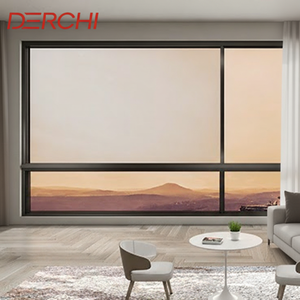
DERCHI Modern Style High Performance Water Proof Smooth Sliding Window Aluminium Sliding Window
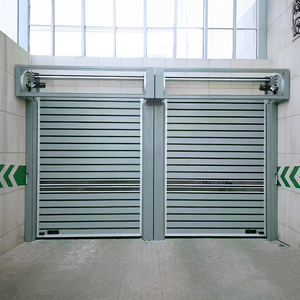
Windproof Metal Roll up Hard Industrial Doors Customize Aluminum Spiral High Speed Door
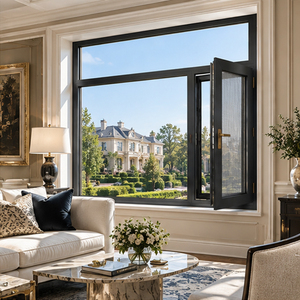
Aluminum Glazing Systems Custom Glass Doors and Windows for Architects Contractors Developers
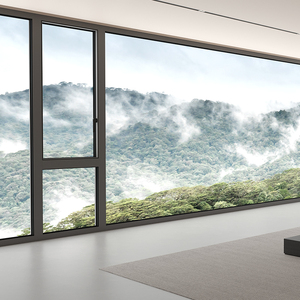
DERCHI Hurricane Proof Aluminum Casement Window Double Glazed Tilt Turn Slim Narrow Frame
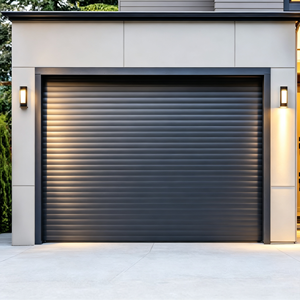
Custom Modern Aluminum Anti-Theft Insulated Windproof Electric Automatic Roller Shutter Door
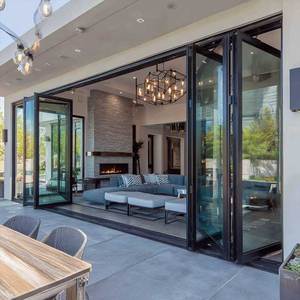
Sunnysky Panoramic Bi Fold Door Heavy Duty Top Hung Roller System Aluminum Framed Glass Folding Doors
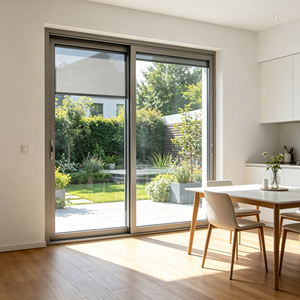
Gray Aluminum Sliding Window with Built-In Integral Blinds & Waterproof Modern House Design
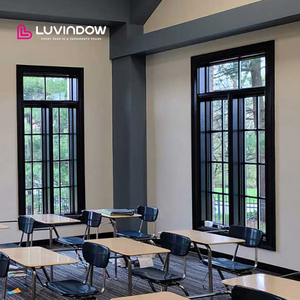
American Style Double Safety Glass Residential Window Aluminum Clad Wood Crank Open Windows
Aluminium Jali Door Architecture: Metallurgy, Security Mesh & Thermal Integration
A comprehensive analysis of structural extrusion standards, anti-burglary multi-point locking systems, and high-tensile security grill configurations for international developers and architects.
In modern architectural engineering, the term Jali Door has evolved from traditional ornamental stone and timber lattice screens into a highly engineered class of dual-function safety barriers. Premier aluminium jali door manufacturers and exporters engineer these systems to solve four critical building envelope challenges simultaneously: maximum physical intrusion resistance, high-volume natural ventilation, total insect control, and refined aesthetic integration with contemporary glass curtain walls and fenestrations.
Unlike standard security doors that rely on heavy steel grates prone to atmospheric corrosion and rust degradation, industrial-grade aluminium jali doors utilize structural 6063-T5 or 6061-T6 extruded aluminium alloy profiles combined with marine-grade stainless steel mesh (SS304/SS316) or precision laser-cut perforated aluminium plates. This metallurgical synergy ensures superior yield strength, lightweight structural inertia, and absolute resistance to coastal salt-spray degradation.
High-Tensile Security Mesh
Utilizing 0.8mm to 1.0mm marine-grade SS316 woven mesh with 11-mesh per inch weave density. Knife-shear and dynamic impact tested according to Australian AS5039 / AS5041 security standards.
Laser-Cut Decorative Plates
Precision CNC fiber-laser cut 3mm to 6mm solid 5052-H32 aluminium alloy plates. Designed for custom geometric, Islamic, or modern minimalist patterns without structural deflection.
Thermal Break Integration
Engineered dual-sash frames incorporating PA66 GF25 polyamide thermal barrier strips. Separates internal and external aluminium profiles to deliver U-values below 1.8 W/m²K.
Information Gain Insight: The Physics of Anti-Intrusion Tension Wedging
Standard market jali doors suffer from structural vulnerability where the mesh perimeter is glued or clamped with simple screws. In contrast, KARON's export-grade aluminium jali doors utilize a patented internal pneumatic tension-wedge retention system. The stainless steel security mesh is folded at a 90-degree angle into a heavy-duty C-channel groove and locked with high-density EPDM gaskets and continuous structural locking bars. Any lever force or kick impact exerted on the center of the mesh actually increases the peripheral clamping force, making panel blow-out mathematically impossible under manual tool attacks.
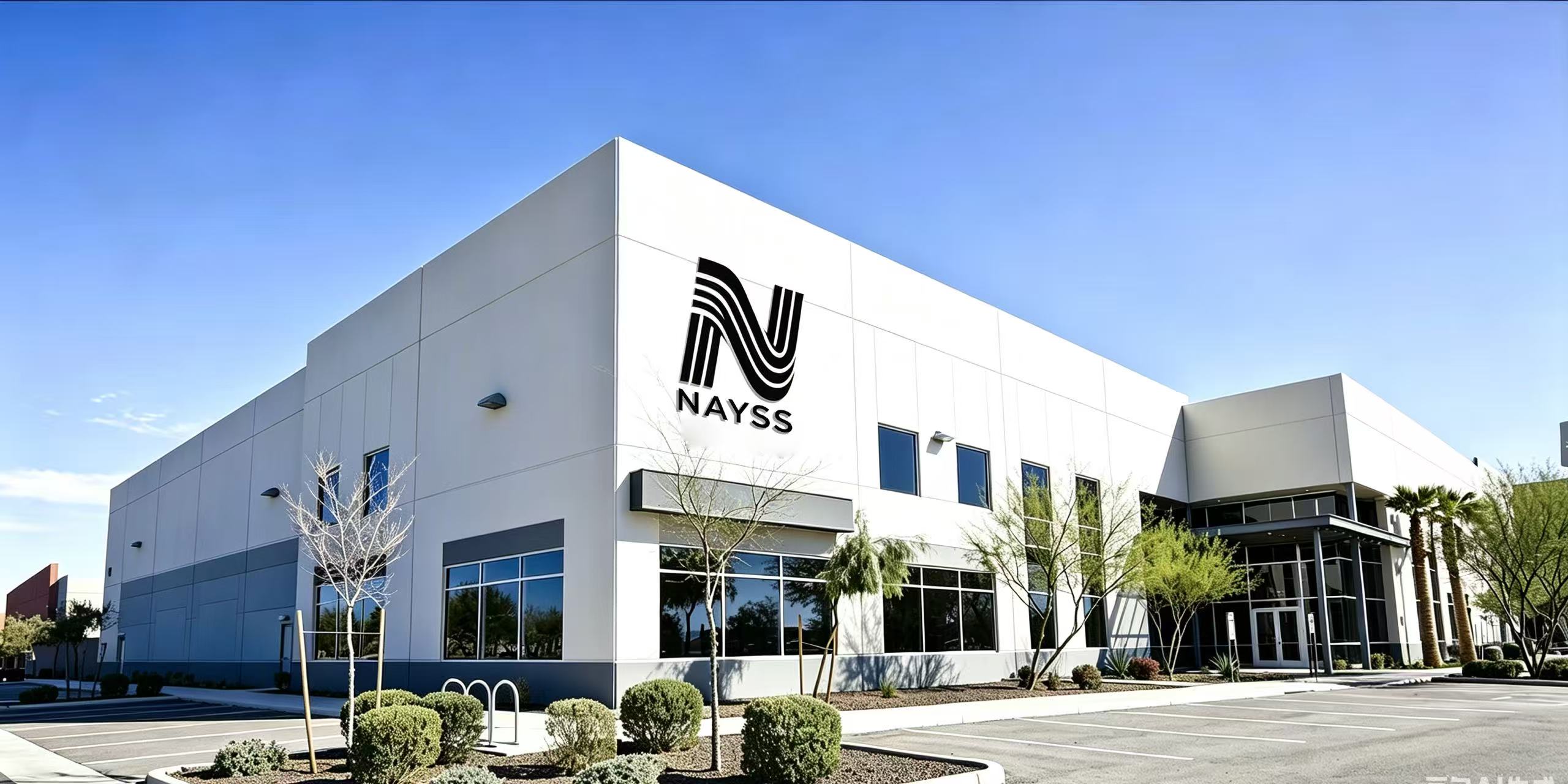
Foshan Manufacturing Infrastructure & Global Export Engineering
Headquartered in the global capital of architectural aluminium—Nanhai District, Foshan, China—Karon Window & Door Co., Ltd. operates a 10,000 m² standardized manufacturing facility backed by over 15 years of continuous production excellence.
- Precision CNC Processing: Automated double-head cutting saws and 4-axis CNC milling centers ensuring ±0.1mm dimensional tolerance across all window and jali sash joineries.
- Advanced Powder Coating: In-house AkzoNobel and Jotun PVDF fluorocarbon coating lines providing 30-year warranty against UV fading and coastal corrosion (Qualicoat Class 2 standard).
- 100% Pre-Shipment Assembly: Every customized order undergoes full frame mock-up assembly, lock function check, and water-tightness chamber testing before container loading.
Future Sourcing Trends for Aluminium Jali & Security Fenestration Systems
Market dynamic analysis for real estate developers, EPC contractors, and building material importers navigating energy mandates, smart automation, and supply chain efficiency.
As global building energy codes tighten across North America, Europe, Australia, and the Middle East, the global fenestration industry is undergoing a structural transition. Buyers are moving away from single-pane standalone security doors toward integrated multi-functional hybrid systems. Leading general contractors and procurement directors must evaluate four key architectural shifts shaping the 2025–2030 sourcing landscape:
1. Dual-Sash Energy & Security Integration
Rather than installing separate security bars outside glass windows, modern projects mandate integrated dual-sash frames: an exterior thermal-break double-glazed glass sash combined with an interior or middle SS316 security jali screen.
2. Smart Access & Biometric Hardware
High-end villa entrance doors are rapidly adopting 5-in-1 smart locks featuring 3D facial recognition, fingerprint biometric scanners, RFID cards, mobile app control, and mechanical override keys built directly into the aluminium jali stiles.
3. Zero-Carbon Extrusion & Circular Materials
Top-tier international developers prioritize manufacturers utilizing recycled aluminium billets (hydro-powered low-carbon primary extrusion) and VOC-free powder coatings that contribute directly to LEED Gold and BREEAM certifications.
Aluminium Jali Door Technical Specification Matrix
Rigorous engineering parameters comparing profile alloys, mesh grades, lock mechanisms, and international testing standard compliance.
| Specification Parameter | Standard Commercial Grade | KARON Export Heavy-Duty Grade | Architectural Premium Custom Grade |
|---|---|---|---|
| Aluminium Alloy Profile | 6063-T5 (1.4mm - 1.6mm wall) | 6063-T5 / 6061-T6 (2.0mm - 3.0mm wall) | 6061-T6 Structural Reinforcement (3.0mm+) |
| Infill Jali Screen Type | Expanded Aluminium Mesh / SS201 | High-Tensile SS316 Wire Mesh (0.8mm wire) | CNC Laser-Cut Solid 5052 Plate (4mm-6mm) |
| Surface Finish & Treatment | Standard Anodized / Basic Powder Coating | AkzoNobel PVDF Fluorocarbon Spraying | Italian Sublimated Wood-Grain Grain Finish |
| Locking Mechanism | Single-Point Mortise Latch | 3-Point / 5-Point Espagnolette Hook Lock | Biometric Smart Lock with Motorized Bolts |
| Salt Spray Corrosion Resistance | 480 Hours (ASTM B117) | 1,500 Hours (ASTM B117 Marine Grade) | 3,000+ Hours Extreme Coastal Warranty |
| International Certification | Local Mill Test Certificates | CE, SGCC, AS 2208, AS/NZS 2208, TISI, CIDB | CE EN 12150 & Hurricane Impact Rated |
Global Project Achievements: From Resort Complexes to Luxury Villas
KARON’s architectural aluminium systems have been specified and successfully delivered for major international projects across five continents.
- Kora Beach Resort (Phuket, Thailand): Supplied 672 custom window and door units across 9 low-rise hotel buildings.
- Texas Luxury Residence (USA): Engineered high-impact thermal-break casement windows and custom security door package.
- Azure Blue Residence (Greece): Manufactured specialized anti-corrosion marine-grade aluminium balcony sliding doors.
- Vinhomes Ocean Park (Vietnam): Complete villa window, sunroom, and glass balustrade custom customization package.

Verified International Testing & Certification Portfolio
Our complete line of custom aluminium windows, doors, and safety glazing systems strictly adheres to international building codes across Europe, the United States, Australia, New Zealand, and Southeast Asia.
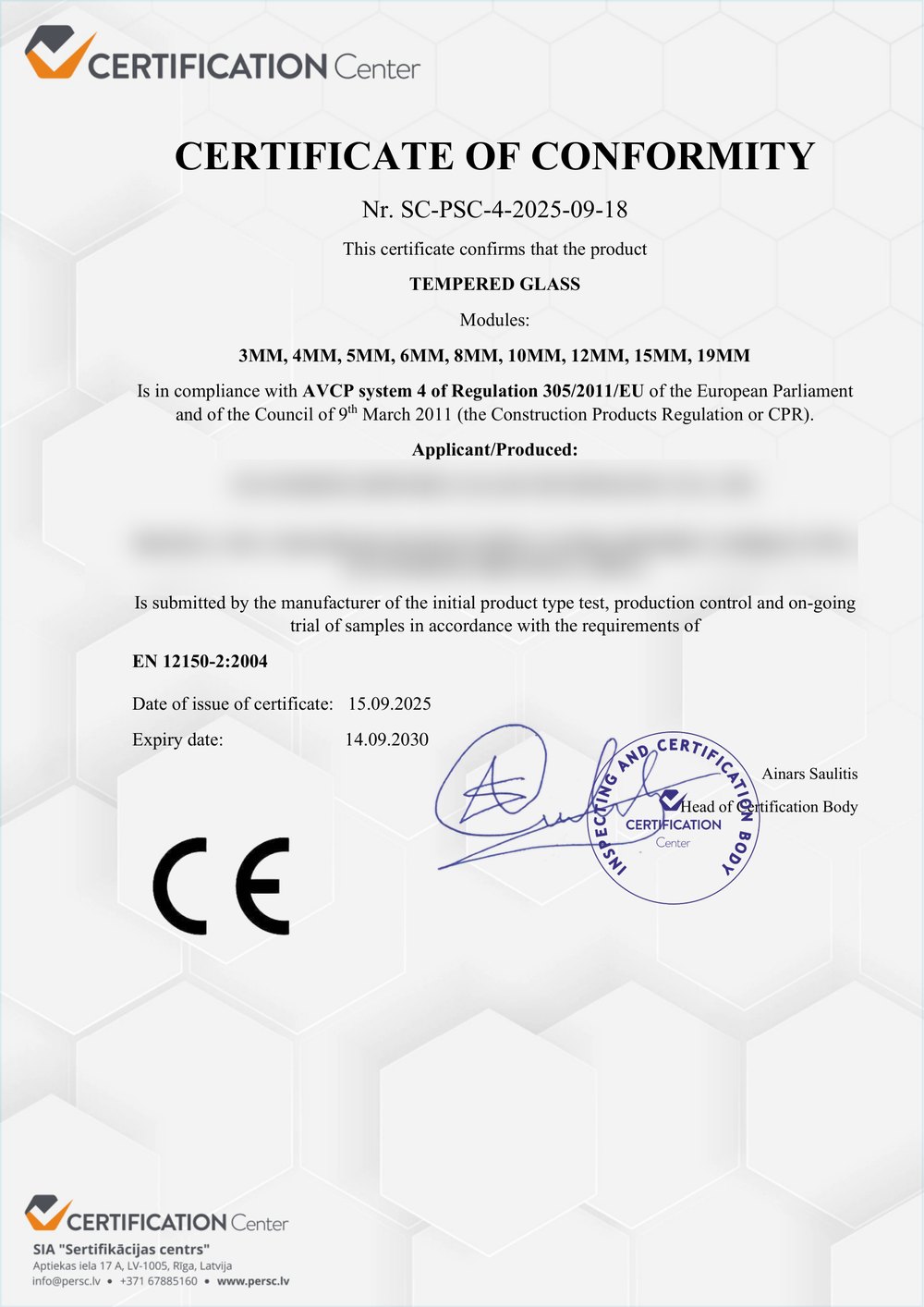 CE Certification
EU EN 12150 Safety Glazing
CE Certification
EU EN 12150 Safety Glazing
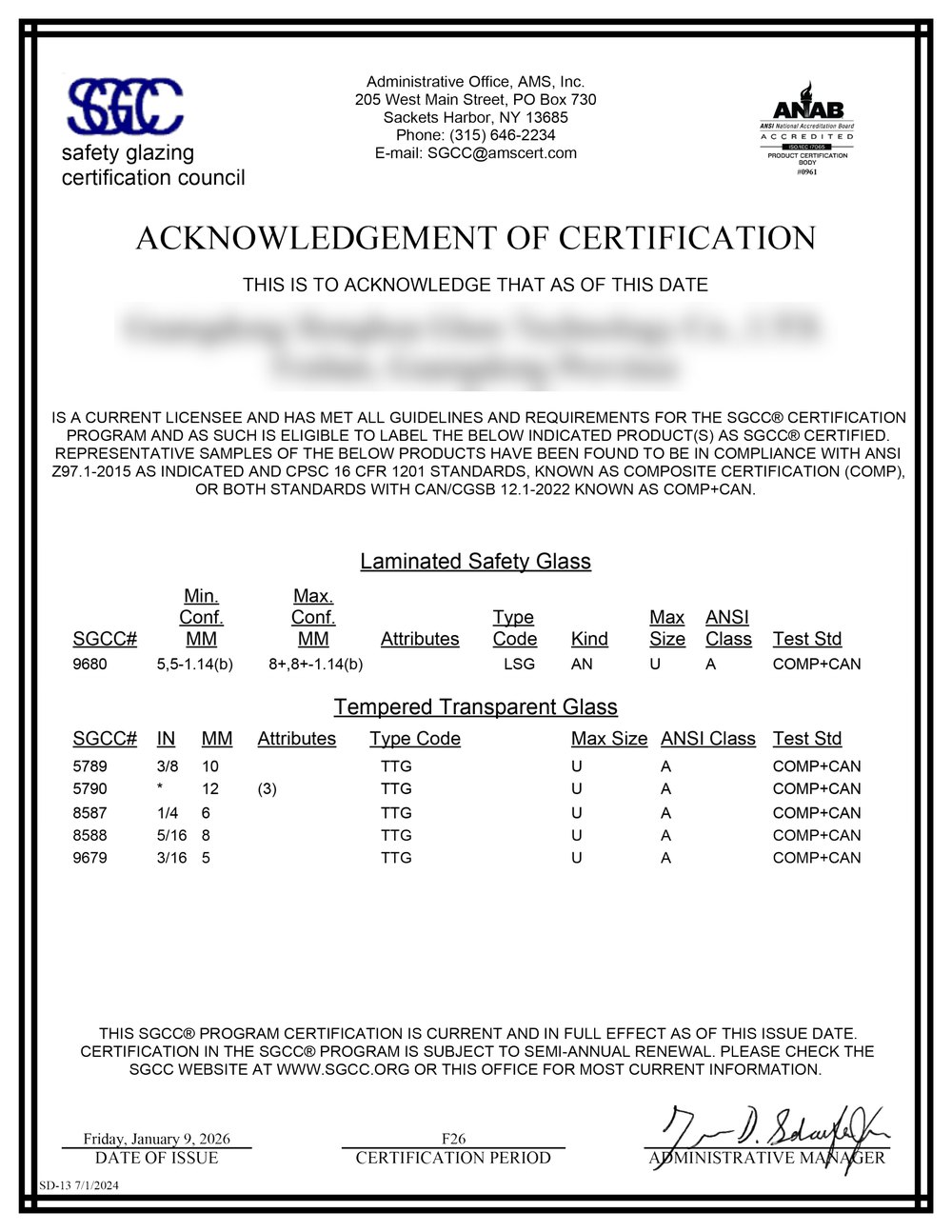 US SGCC
Safety Glazing Certification Council
US SGCC
Safety Glazing Certification Council
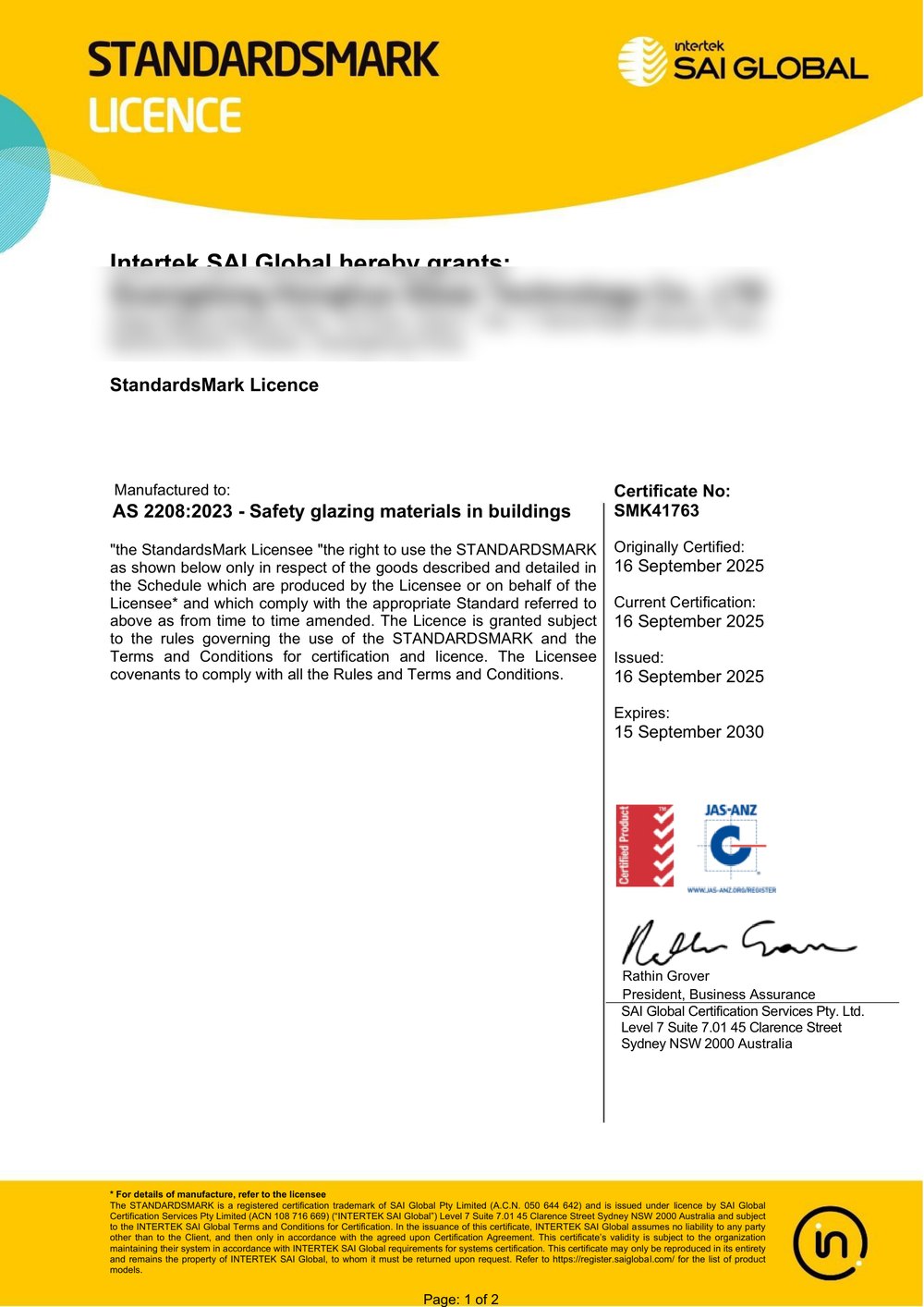 Australia AS 2208
SAI Global StandardsMark
Australia AS 2208
SAI Global StandardsMark
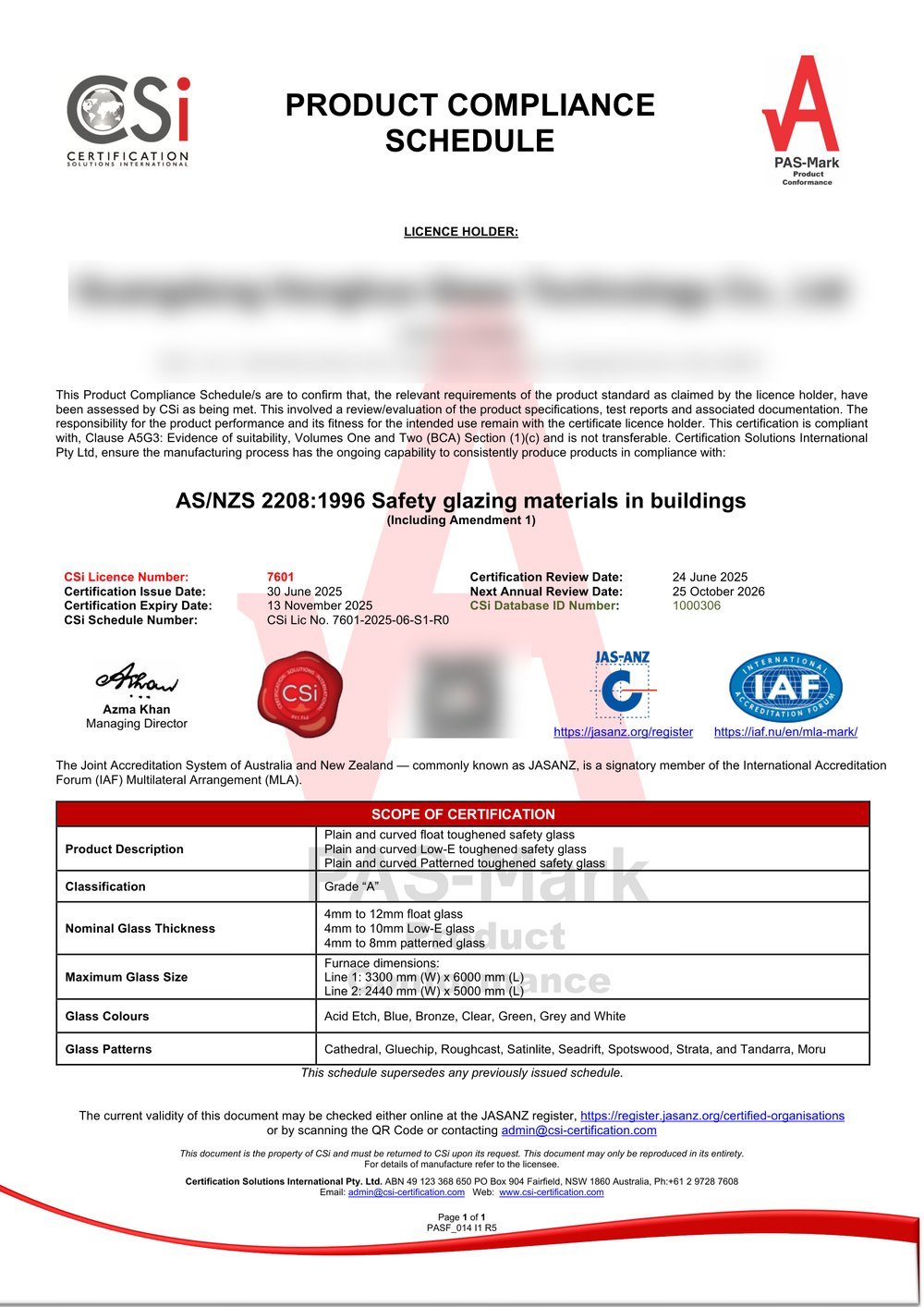 New Zealand AS/NZS
CSi PAS-Mark Certified
New Zealand AS/NZS
CSi PAS-Mark Certified
Frequently Asked Questions (FAQ) for Global Procurement
Clear, direct technical responses for contractors, architectural consultants, and procurement managers evaluating aluminium jali door exports from China.
What is the structural difference between woven SS316 security mesh and laser-cut aluminium jali plates?
How do aluminium jali doors compare against traditional mild steel or wrought iron security doors?
Can KARON manufacture custom doors based directly on our CAD architectural shop drawings?
Which surface treatment is recommended for high-salinity coastal villa applications?
What is the standard production lead time and export packaging protocol for ocean shipping?
How do multi-point espagnolette locking systems operate on an aluminium jali door?
Transform Your Project with Certified Aluminium Jali Doors
Partner directly with China's leading OEM/ODM manufacturer. Send us your architectural drawings, window schedules, or project tender specifications for an immediate engineering estimate.