Featured Architectural Window & Door Systems
Explore our certified aluminum profiles engineered for residential luxury, hospitality projects, and commercial developments worldwide.
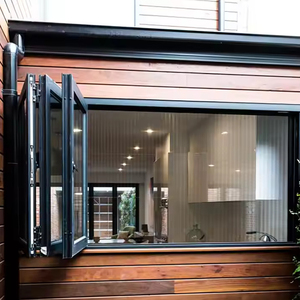
Thermal Break Modern Horizontal Aluminium Windows and Doors with 2.0mm Frame Multi Panel Folding for Kitchen Villa Patio Shop
Contact Us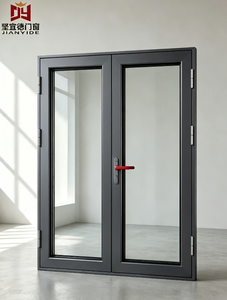
Thermal Break Aluminium Casement Doors Energy Efficient Waterproof Windproof For European Villas Custom OEM And ODM CE Certified
Contact Us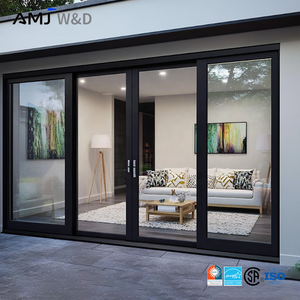
Heavy Duty Modern Energy Efficient External Glass Slide Large Sliding Patio Doors and Windows for Home
Contact Us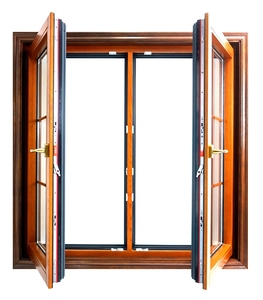
Double-glazed Wood Aluminum Composite Clad windows
Contact Us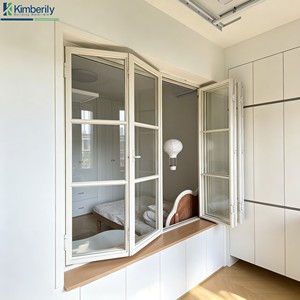
Left and Right Folding Windows Aluminum Bi-Fold Awning Window, for Home & Cafe & Restaurant Service Counter
Contact Us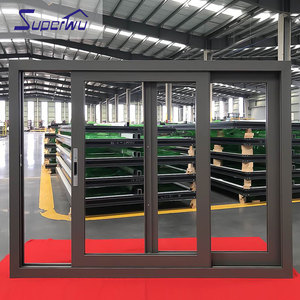
Superhouse Aluminium Window Made In China Energy Saving Double Glass Aluminium Sliding Window With AS2047 NFRC DADE Approved
Contact Us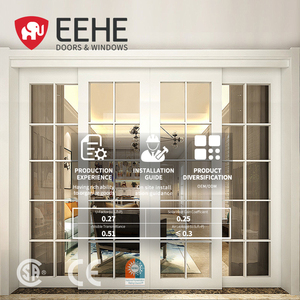
EEHE Sliding Doors Interior Durable Aluminum Csa Certified White Frame Sliding Door for Houses and Villas
Contact Us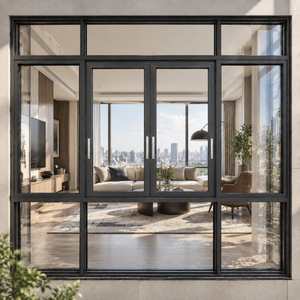
Hihaus Modern Aluminum Sliding Windows For Luxury Apartment Black 360° Vision Double Sliding Glass windows
Contact UsWhy Global Architects & Procurement Managers Choose Us
Engineered precision, compliant material sourcing, and end-to-end manufacturing oversight in Foshan, China.
10,000㎡ Standardized Plant
Located in Songxia Industrial Park, Foshan, our advanced factory leverages CNC machining, precision crimping, and automated assembly for superior structural integrity.
International Certifications
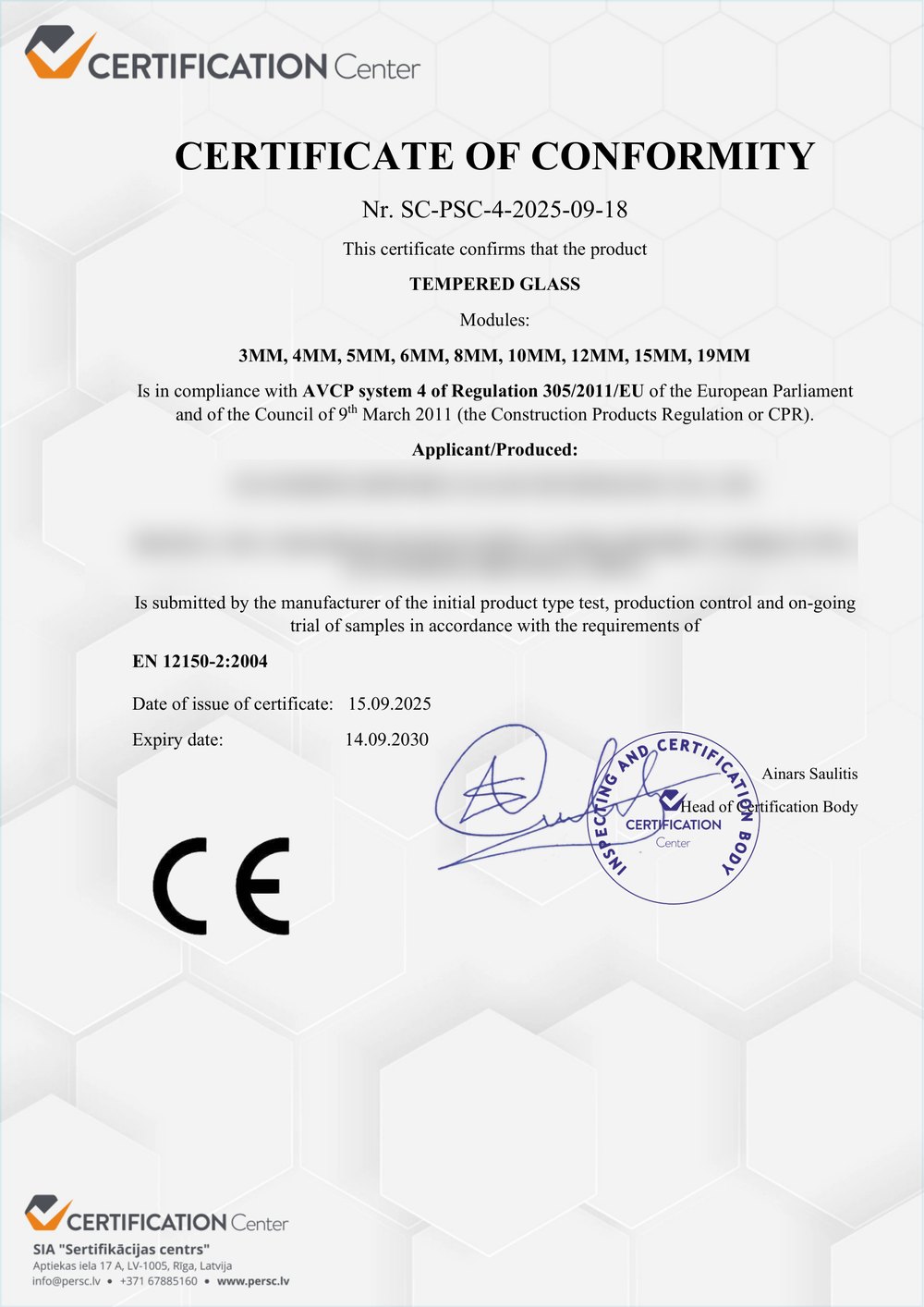
Fully compliant with CE (EN 12150), US SGCC safety glazing, Australia AS 2208, NZ AS/NZS 2208, Thailand TISI, and Malaysia CIDB standards.
Thermal Break Technology
Polyamide PA66 GF25 insulating strips effectively stop thermal conduction, significantly cutting HVAC energy consumption in tropical and temperate zones.
Architectural Engineering Overview: Modern Aluminum Jalousie & Louver Windows
Aluminum jalousie windows (also widely referred to as glass louver windows or adjustable aluminum louver systems) represent one of the most aerodynamically efficient fenestration solutions in modern architectural design. Originally conceptualized for tropical and subtropical climates to maximize passive cross-ventilation, modern thermal break aluminum jalousies have evolved into high-performance architectural systems capable of satisfying stringent energy codes, severe wind load ratings, and refined aesthetic demands.
As a leading custom aluminum windows and doors manufacturer in Foshan, China, KARON (Karon Window & Door Co., Ltd.) engineers advanced jalousie systems that bridge the gap between traditional ventilation and high-efficiency thermal performance. By combining high-tensile 6063-T5/T6 aluminum alloy profiles, dual-sealed perimeter gaskets, precision linkage hardware, and impact-resistant tempered or laminated safety glass, our jalousie systems deliver 100% operable free-ventilation area while maintaining airtight and watertight seals when fully closed.
Key Engineering Insight: Unlike standard casement or sliding windows which restrict clear ventilation to 50% or less of the rough opening, jalousie and louver windows yield up to 95% effective open area. When integrated with motorized actuators connected to Building Management Systems (BMS), they form the core of passive climate-control strategies in sustainable architecture.
Structural Physics & Thermal Performance of Aluminum Louvers
The structural efficacy of an aluminum jalousie window depends on profile extrusion geometry, blade pivot hardware alignment, and perimeter frame sealing. In high-rise residential towers, beachfront resorts, or exposed commercial facades, louver systems face extreme structural pressures from wind loads (Pas) and wind-driven rain penetration.
1. Extruded Aluminum Alloy Integrity
KARON utilizes virgin 6063-T5 and 6060-T66 grade aluminum extrusions with nominal wall thicknesses ranging from 1.4mm to 2.5mm depending on structural spanning requirements. Our heavy-duty architectural profiles undergo T6 heat treatment, ensuring high yield strength capable of resisting positive and negative wind pressures exceeding 3000 Pa (equivalent to Category 4 hurricane conditions).
2. Advanced Thermal Barrier Strips
Traditional non-thermal jalousies exhibit high thermal conductivity, allowing heat gain in tropical environments or condensation formation in air-conditioned spaces. KARON solves this thermal bridge by incorporating precision PA66 GF25 (25% fiberglass reinforced polyamide) thermal break strips within the aluminum frame. This mechanical barrier dramatically reduces thermal transfer, lowering system U-values to meet international green building standards such as LEED v4.1 and BREEAM.
3. Glazing Specifications & Safety Standards
Jalousie blades are subjected to mechanical clamping forces and operational friction. Therefore, safety glass processing is critical. KARON offers customized louver blades engineered with:
- Toughened Monolithic Safety Glass: 6mm to 12mm clear, ultra-clear low-iron, tint, or reflective tempered glass conforming to CE EN 12150 and US SGCC requirements.
- Laminated Safety Glazing: Double-ply glass with PVB/SGP interlayers certified under Australia AS 2208 and New Zealand AS/NZS 2208 for overhead or high-wind barrier applications.
- Extruded Aluminum Aerofoil Blades: Hollow or solid aerofoil aluminum blades with internal acoustic dampening for sun-shading and maximum privacy applications.
Future Procurement Trends in the Global Jalousie & Louver Market (2025–2030)
Procurement directors, commercial developers, and facade consultants face evolving energy regulations and smart city requirements. Sourcing fenestration products requires anticipating long-term industry shifts over the next decade.
Trend 1: BMS Integration & Automated IoT Actuation
Manual lever controls are rapidly giving way to smart linear electric actuators. Modern architectural jalousies are increasingly specified with 24V DC motorization wired into central Building Management Systems. Integrated wind, rain, and air quality sensors automatically adjust louver blade angles to optimize natural cooling, lower HVAC energy loads, and immediately close during heavy precipitation events.
Trend 2: Ultra-Slim Sightlines & Concealed Hardware Mechanics
Minimalist architectural aesthetics demand maximum glass visual area with minimal visible frame exposure. Future procurement trends focus on concealed louver driving mechanisms embedded inside jamb profiles, eliminating bulky external control rods while delivering smooth 0° to 90° synchronous blade rotation.
Trend 3: Hybrid Aerofoil & BIPV (Building-Integrated Photovoltaic) Louvers
As Net-Zero Energy Buildings (NZEB) become mandatory across Europe, North America, and Australia, louver systems are evolving into energy-generating elements. Extruded aluminum aerofoil jalousies mounted on exterior building skins are now being engineered to host micro-thin photovoltaic film, turning sun-shading facades into solar harvesting power generators.
Trend 4: Circular Sourcing & Low-Carbon Aluminum Billets
Embodied carbon compliance is becoming a critical evaluation metric in B2B supplier selection. Global importers prefer manufacturers who utilize hydro-powered aluminum smelting processes and recycled billet scrap. KARON’s raw material supply chain prioritizes low-carbon aluminum billets, allowing international clients to qualify for valuable carbon credit offsets.
Architectural Performance Comparison Matrix
To assist technical procurement teams in selecting the optimal fenestration system for specific building envelopes, the following data table compares architectural aluminum jalousie systems against traditional operable window configurations:
| Window System Type | Effective Free Airflow Area (%) | Water Tightness (Pa) | Thermal Insulation (U-Value W/m²K) | Best Architectural Application |
|---|---|---|---|---|
| Thermal Break Aluminum Jalousie | 90% – 95% | 350 – 600 Pa | 1.8 – 2.4 (Double/Thermal) | Resorts, Coastal Villas, High-Rise Stairwells, School Facades |
| Standard Aluminum Casement Window | 40% – 75% | 450 – 700 Pa | 1.4 – 2.0 | Luxury Bedrooms, High-Wind Coastal Zones |
| Multi-Track Aluminum Sliding Window | 30% – 50% | 250 – 450 Pa | 2.0 – 2.8 | Balconies, Space-Constrained Apartment Units |
| Operable Aluminum Bi-Fold Awning Window | 85% – 90% | 300 – 500 Pa | 2.0 – 2.6 | Kitchen Service Counters, Restaurants, Cafes |
Comprehensive Purchasing & Sourcing Protocol for Importers
Importing custom aluminum windows and doors from China requires a robust Quality Assurance (QA) protocol to eliminate dimensional discrepancies, specification errors, and shipping damage. As a proven export manufacturer, KARON adheres to a strict 4-step project execution workflow:
Phase 1: Shop Drawing Verification & Structural Calculation
Every commercial or residential inquiry begins with our engineering team reviewing your CAD elevation drawings, window schedules, and site wind load requirements. We generate detailed CAD/BIM shop drawings detailing profile cross-sections, glass build-ups, anchor bracket placements, and perimeter drainage channels before any physical extrusion cutting takes place.
Phase 2: Mock-Up Fabrication & Pre-Production Testing
For large-scale multi-unit housing or hotel developments (such as our 672-unit Kora Beach Resort project in Phuket), we fabricate physical sample mock-ups. These mock-ups undergo rigorous factory air infiltration, water penetration, and mechanical hardware cycle testing to verify smooth louver operation across thousands of opening cycles.
Phase 3: Standardized In-Line Fabrication Quality Control
Operating out of our 10,000 m² Foshan plant, every manufacturing stage follows ISO 9001 certified protocols:
- Extrusion & Surface Powder Coating: Qualicoat-certified AkzoNobel powder coating or PVDF fluorocarbon spraying is applied to prevent corrosion in marine environments (tested via 2000-hour salt spray chambers).
- Precision CNC Machining: Automated multi-axis CNC machines drill hinge holes and pivot slots with tolerances within ±0.1mm.
- Corner Crimping & Structural Injection: Frame corners are hydraulically crimped with cast aluminum corner keys and injected with two-component structural sealant for leak-proof durability.
Phase 4: Export-Grade Protective Packaging & Container Logistics
Glass and aluminum profiles are vulnerable to ocean transit vibration and humidity. KARON packages all finished fenestration units with protective polyethylene film, heavy-duty corner guards, impact-resistant foam wraps, and fumigated fully-enclosed plywood crates. Container loading is mathematically optimized to maximize volume while ensuring safe forklift unloading at the destination site.
Frequently Asked Procurement Questions
Detailed technical answers for developers, architects, and trade contractors sourcing aluminum jalousie and louver systems from China.
Where is the KARON factory located and what are your core manufacturing capabilities?
What international certification standards do KARON aluminum window and door products carry?
How do aluminum jalousie windows handle rain water tightness during severe storms?
Can KARON manufacture custom jalousie windows according to architectural CAD drawings?
What is the structural and thermal advantage of Thermal Break aluminum frames versus Non-Thermal profiles?
What major commercial and residential projects has KARON supplied globally?
What hardware brands and surface finishes are available for custom louver orders?
How do I initiate a commercial quote or technical consultation with KARON?
Ready to Engineer Your Project Glazing Solution?
Connect directly with KARON's engineering team in Foshan, China. Send us your project drawings or window schedules for rapid quote estimation, CAD shop drawing development, and factory direct pricing.
Contact Us