High-Performance Custom Aluminum Systems
Engineered to drawing specs with international safety glazing and structural compliance.
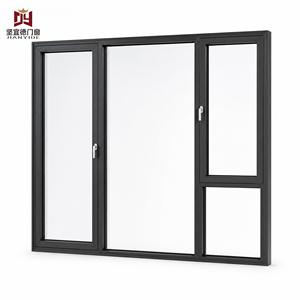
Aluminium Tilt and Turn Casement Windows with Insect Screen for European Residential Projects Custom Size OEM ODM CE Certified
Get a Quote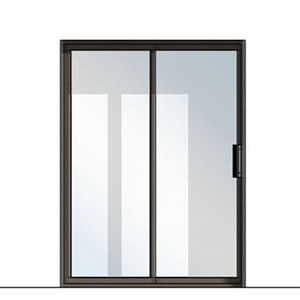
Partition Aluminium Fiber Glass exterior Sliding Door System and Doors Catalogue List
Get a Quote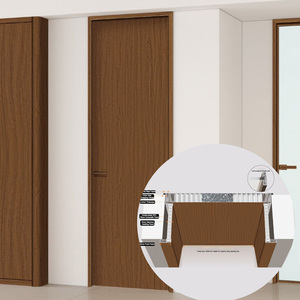
Minimalist Ultra Narrow Frame Full Aluminum Interior Door All Aluminum Honeycomb Core Wood Grain Pure Aluminum Bedroom Door
Get a Quote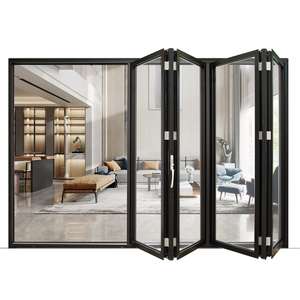
Hihaus Aluminium Fabrication Commercial Thin Bifolding External Doors and windows
Get a Quote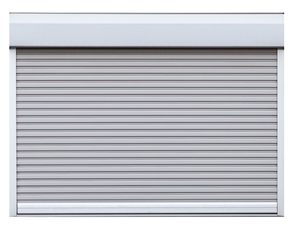
Good Aluminium Roller up Shutter Door Sliding Door Warehouse Insulated Aluminum Roller Shutter Doors
Get a Quote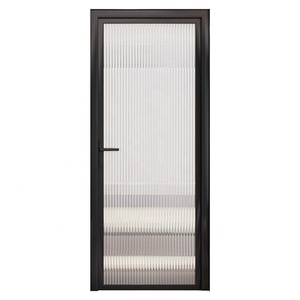
Sofeyia High Quality Modern Aluminum Alloy Swing Glass Doors Corrosion Resistant Customizable Size Finished Surface Environment
Get a Quote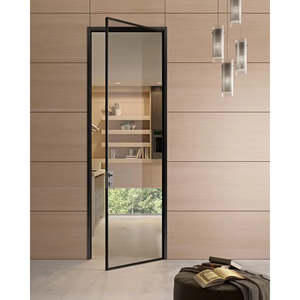
Modern French Design Narrow Frame Aluminum Glass Hinged Casement Door for Interior Kitchen Bedroom Exterior Patio Bathroom Mesh
Get a Quote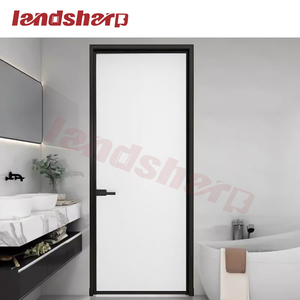
Landsharp New Design Bathroom Narrow Frame Casement Aluminium Interior Glass Door Aluminium Toilet Metal Entry Door
Get a QuoteExecutive Overview: Sourcing High-Performance Aluminum Pocket Doors
In modern architectural spatial design, the elimination of visual clutter and the seamless integration of living spaces have transitioned from luxury design choices to core engineering requirements. Searching for the top trusted aluminum pocket door factories & factory partners requires a rigorous understanding of architectural physics, metallurgy, and hardware longevity. Unlike traditional swing doors that consume upwards of 1.5 to 2.5 square meters of usable floor area per opening, an engineered aluminum pocket door system glides smoothly into a concealed wall cavity, providing absolute spatial optimization while preserving clear sightlines.
For commercial developers, hotel project procurement managers, and custom villa architects, selecting an enterprise-grade aluminum pocket door manufacturer is critical. A poorly engineered pocket door cavity lead to structural binding, moisture-induced wall cracking, acoustic leakage, and costly retrofits. Top-tier factories utilize structural extruded 6063-T5 or T6 aluminum framing, heavy-duty overhead track systems with pneumatic soft-close damping, and modular cavity stud cages that resist lateral wall deflection.
Architectural Gain & Structural Economics
By specifying extruded aluminum pocket cavity frames over traditional timber or cheap galvanized sheet metal studs, developers gain up to 100% resistance to humidity warping, increase frame structural rigidity by 35%, and reduce ongoing maintenance calls in high-traffic commercial and hospitality installations.
Evaluating Top Trusted Aluminum Pocket Door Factories
Navigating the global supply chain—particularly within major extrusion hubs such as Foshan, China—requires clear technical benchmarks to separate high-capacity architectural manufacturers from basic assembly workshops. When auditing an aluminum pocket door factory, engineering specifiers must evaluate five essential technical competencies:
1. Raw Alloy Purity
Premier factories strictly use primary 6063-T5 or T6 grade aluminum billets rather than recycled scrap metal. This ensures tensile strength exceeding 185 MPa, precise anodizing uniformities, and zero structural brittle cracking under heavy glass load strain.
2. Cavity Cage Rigidity
The pocket cavity must withstand double-layer plasterboard mounting without bowing into the door path. Leading manufacturers utilize engineered horizontal split studs reinforced with internal aluminum ribbing.
3. Track & Roller Cycle Life
Concealed rollers cannot be easily replaced without opening drywall. Top factories install precision ball-bearing polymer rollers tested to endure over 100,000 continuous opening/closing cycles under max panel weights (up to 250kg).
Architectural Pocket Door Systems: Technical Comparison
Review the structural parameters engineered by leading aluminum door factories to select the ideal pocket configuration for your building envelope:
| System Type | Wall Cavity Depth | Max Sash Weight | Acoustic Rating (STC) | Thermal Break Option | Primary Application |
|---|---|---|---|---|---|
| Single Panel Interior Pocket | 100mm - 125mm | 120 kg | STC 32 - 36 dB | Non-Thermal | Luxury Bedrooms, En-suite Bathrooms |
| Double Bi-Parting Pocket | 125mm - 150mm | 200 kg (per sash) | STC 34 - 38 dB | Non-Thermal / Optional Thermal | Conference Rooms, Living Room Partitions |
| Telescopic Multi-Track Pocket | 160mm - 210mm | 150 kg (per sash) | STC 30 - 35 dB | Non-Thermal | Wide Spatial Opening / Commercial Lounges |
| Heavy-Duty Exterior Pocket | 180mm - 250mm | 350 kg | STC 38 - 45 dB | Polyamide Thermal Break | Villa Terraces, Oceanfront Patios |
| Ultra-Narrow Glass Pocket | 90mm - 110mm | 100 kg | STC 28 - 32 dB | Slim Aluminum Frame | Modern Minimalist Offices & Kitchens |
Technical Engineering & Hardware Dynamics
Achieving architectural excellence in pocket sliding systems relies heavily on precision hardware integration and acoustic damping solutions. Leading factories implement specialized mechanics to solve traditional pocket door shortcomings:
Soft-Closing & Soft-Opening Damping
High-end aluminum pocket doors utilize dual-direction pneumatic oil dampers concealed within the top track channel. As the door leaf approaches the fully open or fully closed position, the damping mechanism automatically catches the trolley carriage, smoothly decelerating the sash over the final 50mm of travel. This eliminates bounce-back, prevents wall impact noise, and protects structural drywall framing from micro-fractures.
Acoustic Gaskets & Drop-Down Seals
One of the primary historic challenges of pocket doors has been sound migration through the wall cavity. Trusted factories combat acoustic bypass by incorporating perimeter mohair brush seals, vertical magnetic closing jambs, and automatic mechanical drop-down bottom seals that extend when the sash reaches full closure. Combined with double-laminated or insulated acoustic glass, noise transmission is reduced significantly.
Thermal Break Exterior Pocket Engineering
When transitioning pocket door systems to exterior building envelopes, thermal bridge isolation becomes paramount. Premium aluminum door manufacturers utilize high-density Polyamide (PA66 reinforced with 25% glass fiber) thermal barriers between inner and outer aluminum extrusions. Combined with hidden sub-floor drainage channels and multi-layered EPDM gaskets, exterior pocket systems prevent heat transfer and keep driven rain out of the wall structure.
Concealed Removable Track Systems
A critical factor in long-term building maintenance is track access. Leading OEM/ODM manufacturers design top tracks with removable header access plates. This enables maintenance technicians to adjust roller height, replace soft-close dampeners, or service track carriages without cutting or destroying finished plasterboard or decorative wall paneling.
Manufacturing Leadership: Karon Window & Door Co., Ltd.
Headquartered in Songxia Industrial Park, Nanhai District, Foshan—the world's premier architectural aluminum extrusion hub—Karon Window & Door Co., Ltd. operates as a specialized manufacturer and global integrated solution provider with over 15 years of rigorous project execution experience.
Spanning a modern 10,000 square meter standardized production facility, KARON combines advanced CNC machining centers, automatic precision corner crimping lines, and strict quality control workflows. Every aluminum pocket door frame, sliding system, casement window, and sunroom profile is built strictly to project architectural shop drawings.
Global Certification Portfolio
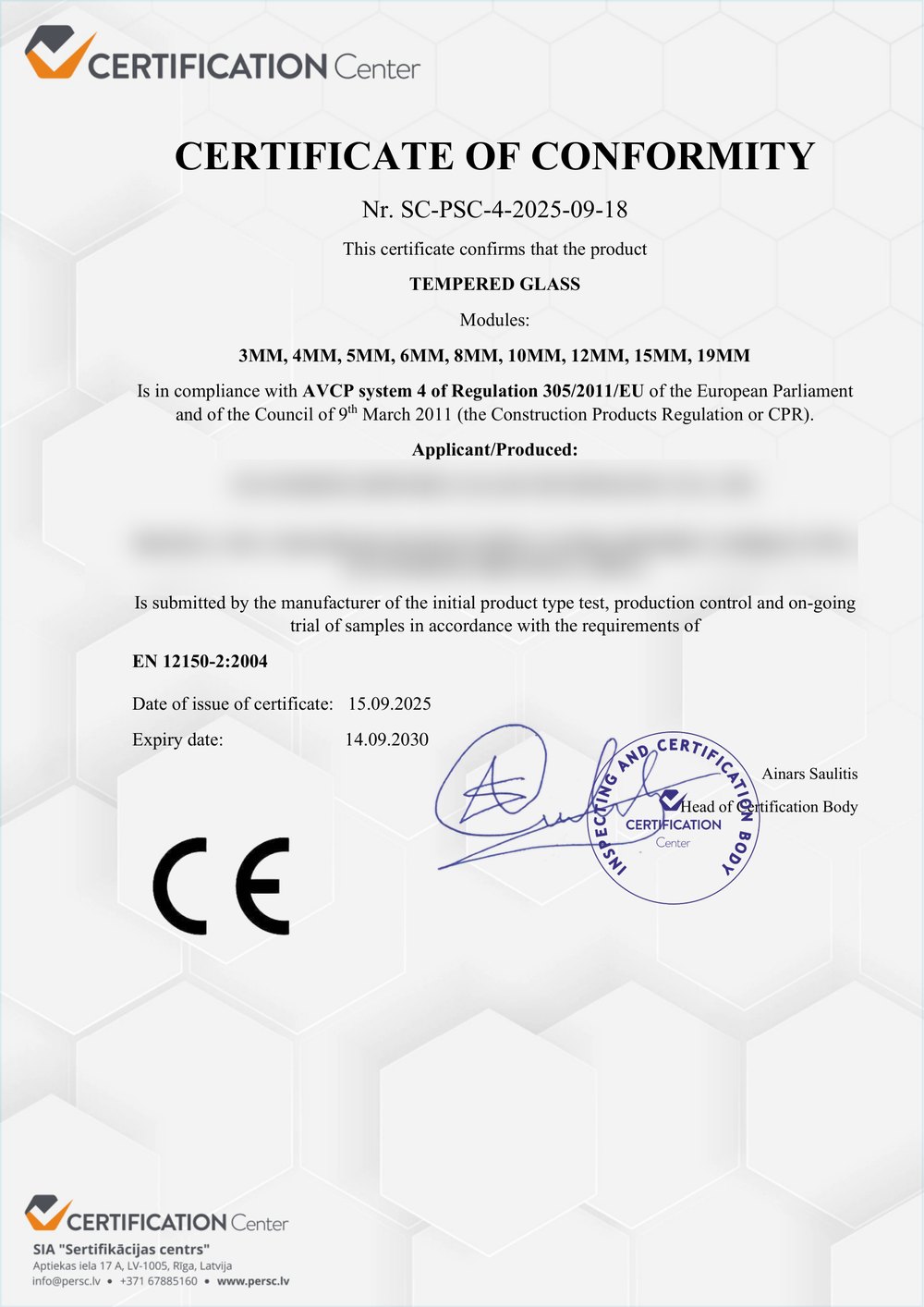
Full compliance with international standards: EU CE Certification (EN 12150), US SGCC Safety Glazing, Australia AS 2208, New Zealand AS/NZS 2208, Thailand TISI 965-2560 / 1231-2560, and Malaysia CIDB PPS certification under an ISO 9001 certified quality management system.
Full-Process QC Inspection
From raw billet extrusion wall thickness verification to powder coat micron depth testing, hardware smooth-run trial setups, and pre-shipment export crate packing checks, KARON ensures 100% factory inspection before dispatch.
International Project Track Record
Delivered for landmark luxury developments worldwide, including the Kora Beach Resort Phuket (672 units across 9 low-rise buildings), premium private villa estates in Texas, USA, France, Greece, Vietnam, and multi-unit residential towers across Southeast Asia.
Future Trends in Aluminum Pocket Door Manufacturing
As architectural requirements evolve towards zero-barrier living and smart building integration, leading aluminum pocket door factories are driving significant product innovations:
1. Micro-Slim Sightlines & Invisible Frames
Modern interior aesthetics demand near-invisible frame profiles. Advanced factories are manufacturing ultra-narrow vertical door stiles measuring just 16mm to 20mm in visible width. When the door leaf is retracted fully into the pocket cavity, the door becomes entirely flush with the adjacent wall cladding, achieving an unobstructed wall plane.
2. Smart Motorization & Touchless Automation
Integrating low-noise brushless DC motor drives into aluminum top tracks is rapidly gaining traction in modern medical facilities, executive suites, and smart homes. These motorized pocket systems interface seamlessly with radar motion sensors, wall touchpads, or home automation protocols (KNX, Zigbee) with built-in anti-pinch safety sensors.
3. Zero-Threshold Flush Floor Tracks
To satisfy universal accessibility requirements (ADA compliance) and create seamless floor transitions between interior rooms or interior-to-patio spaces, pocket door designs have evolved to eliminate raised bottom tracks. Overhead hanging roller systems, paired with a tiny floor-mounted guide pin hidden inside the bottom rail, keep flooring completely smooth and continuous.
4. Electrochromic Smart Glass Integration
High-tech aluminum pocket doors are increasingly manufactured with switchable PDLC smart tinting glass. At the touch of a button or sensor trigger, the glass panel transitions from crystal-clear transparency to opaque privacy within milliseconds, providing an ideal solution for modern office boardrooms, hotel bathrooms, and flexible residential spaces.
Frequently Asked Questions for B2B Buyers & Specifiers
Get authoritative engineering answers to the most common queries raised by architects, general contractors, and hardware importers.
What structural wall cavity thickness is required for an aluminum pocket door?
+
Why choose extruded aluminum pocket stud cages over timber or steel kit systems?
+
How are overhead structural header loads calculated for pocket door systems?
+
Can aluminum pocket doors achieve soundproof / high STC ratings?
+
What international glazing and safety certifications should a factory provide?
+
What is the standard manufacturing lead time for custom project orders?
+
How are delicate pocket door tracks and frame kits packaged for export container shipping?
+
Ready to Engineer Your Project's Aluminum Systems?
Send your architectural drawings, window schedules, or opening dimensions directly to our engineering team in Foshan. We provide comprehensive shop drawings, hardware specifications, and direct factory pricing within 24 hours.
Get a Quote