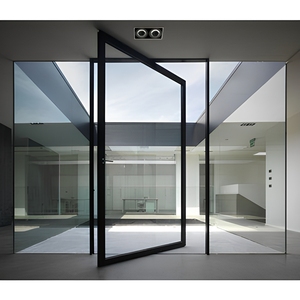
 Pivot Door
Export-Grade Product Line
Architectural Aluminium Exterior Door Systems
Certified 6063-T5/T6 alloy entry & exterior patio doors designed for high-end hospitality, commercial developments, and luxury residences throughout Indonesia.
Pivot Door
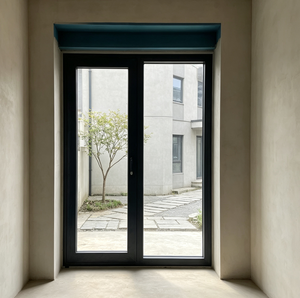 Alu-Clad Wood
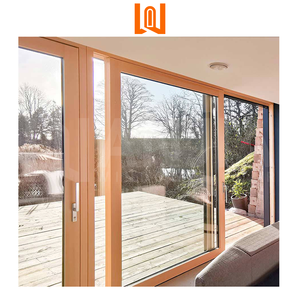
Wholesale Thermal Insulated Aluminum Clad Wood Double Glazed Exterior Door
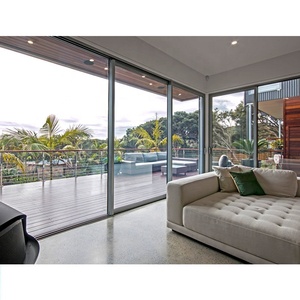 Sliding System
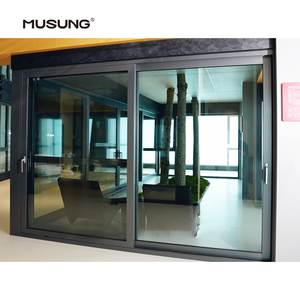
DAIYA Half Glass Aluminum Sliding Door with Low-E Insulated Glazing
 Patio Panoramic
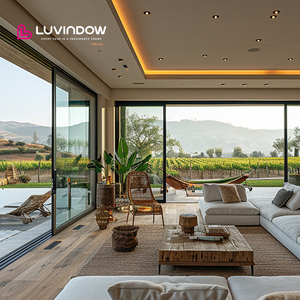
Large Patio Sliding Glass Doors with Thermal Insulation Double Glazing
 Commercial Lift-Slide
Heavy-Duty Commercial & Residential Energy Efficient Patio Sliding Aluminum Doors
 Commercial Swing
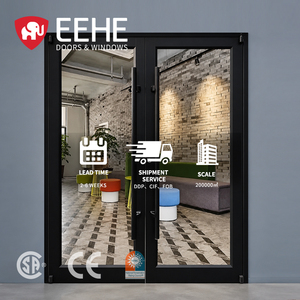
EEHE Aluminum Double Entrance CE Certified Alloy Commercial Swing Doors
 Hurricane Impact
Heavy-Duty Aluminum Clad Wood Hurricane Impact Glass Sliding Exterior Door
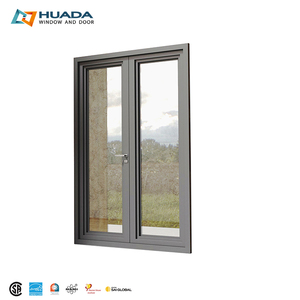 French Entry Door
High-End Exterior Front Entry Doors with Decorative Grill Between Glass
Engineering Excellence & Scale
Manufacturing Capabilities for Indonesian Projects
Combining 15+ years of precision metallurgy with strict international standard compliance to support architects, contractors, and real estate developers across Southeast Asia.
10,000㎡
Standardized Production Plant
15+ Yrs
Global Export Experience
6+
International Certifications
100%
Pre-Shipment Trial Assembly
Technical Whitepaper: Sourcing Heavy-Duty Aluminium Exterior Doors for Indonesia's Tropical Maritime Environment
As Indonesia experiences an unprecedented surge in urban infrastructure development—ranging from high-density commercial towers in Jakarta and Surabaya to luxury eco-resorts in Bali, Lombok, and Labuan Bajo—the choice of exterior fenestration systems has become a critical architectural consideration. The Indonesian archipelago presents severe climatic challenges, including persistent relative humidity (averaging 75%–90%), high atmospheric salinity in coastal zones, extreme solar ultraviolet radiation, and intense tropical monsoon precipitation. Traditional timber entry doors, historically prevalent in Indonesian construction, suffer from rapid thermal expansion, fungal degradation, termite infestation, and structural warping under continuous wet-dry cycles.
Consequently, structural architectural aluminium exterior doors have superseded legacy materials across project-grade construction in Indonesia. As a premier original equipment manufacturer (OEM) and direct exporter based in Foshan—China’s metallurgical extrusion epicenter—KARON Window & Door Co., Ltd. provides specialized engineering solutions tailored specifically to the physical demands of Indonesian building codes, green building mandates, and architectural aesthetics.
1. Metallurgical Profiles & Structural Alloy Engineering
The foundation of structural integrity in high-span exterior doors lies in alloy selection and extrusion design. KARON exclusively utilizes high-grade 6063-T5 and 6063-T6 primary aluminium billets rather than recycled scrap metal. Recycled aluminium alloys often contain trace impurities that compromise tensile strength and accelerate intergranular corrosion when exposed to maritime air.
For heavy-duty exterior applications—such as large motorized pivot doors, lift-and-slide patio doors, and commercial entrance swing systems—our profiles feature reinforced structural wall thicknesses ranging from 2.0 mm to 3.0 mm, substantially exceeding basic residential grade standards (1.4 mm). Multi-chamber extrusion geometry incorporates internal webbing that maximizes moment of inertia ($I_x$ and $I_y$), allowing panels to withstand extreme wind pressure loads up to 4.5 kPa to 6.0 kPa. This structural rigidity is vital for high-rise developments along Jakarta's skyline and oceanfront villas exposed to coastal winds.
| Engineering Specification | Standard Commercial Grade | KARON Tropical Marine Export Grade | Impact on Indonesian Projects |
|---|---|---|---|
| Alloy Composition | 6063-T5 (Standard) | 6063-T6 Primary Ingot Extrusions | Higher tensile strength, zero structural warping under high wind pressure. |
| Profile Wall Thickness | 1.4 mm – 1.6 mm | 2.0 mm – 3.0 mm Heavy Duty | Supports massive floor-to-ceiling glass sash weights up to 450 kg per panel. |
| Surface Protection | Standard Powder Coating (40µm) | AkzoNobel Fluorocarbon (PVDF 3-Coat 60µm+) / Marine Anodizing (25µm) | 30+ year resistance to chalking, salt spray degradation, and tropical UV fading. |
| Thermal Insulation Strip | PVC or Low-Grade Rubber Strip | PA66 GF25 Polyamide Structural Insulation (24mm–34mm) | Blocks thermal heat ingress; reduces indoor HVAC air conditioning load by up to 35%. |
| Acoustic Isolation Rating | STC 28 – 32 dB | STC 40 – 45 dB (with Double Argon Glazing) | Attenuates heavy urban traffic noise in Jakarta and resort entertainment noise in Bali. |
| Water Tightness Class | Class 3 (300 Pa) | Class 9A / E750 (750 Pa Monsoon Barrier) | Prevents rainwater infiltration during tropical downpours and monsoon storms. |
2. Advanced Surface Finishing Technologies: Battling Salt Spray & Tropical UV
In humid maritime environments like Indonesia, surface coating degradation is the primary cause of exterior door failure. Standard architectural coatings suffer from blistering, oxidation, and color shifts within 2 to 5 years of coastal exposure. To deliver verifiable 30-year operational lifespans, KARON offers two specialized surface processing protocols:
- PVDF (Fluorocarbon) Coatings: Utilizing 70% Kynar 500 / Hylar 5000 fluoropolymer resin systems formulated by AkzoNobel or PPG. Applied via a 3-coat electrostatic spraying and baking process, PVDF coatings provide an impenetrable barrier against chemical oxidation, acid rain, atmospheric pollution, and intense UV degradation. PVDF is highly recommended for urban commercial entrances in industrial zones.
- Marine-Grade Hard-Coat Anodizing (25-Micron Class 1): Through an electrochemical acid bath treatment, the aluminium surface is converted into a continuous, crystal-hard aluminium oxide layer ($Al_2O_3$) exceeding 25 microns in thickness. This surface cannot peel or flake because it is integrated directly into the metal substrate. It offers exceptional scratch resistance and salt-spray durability, making it the benchmark finish for luxury beachfront hotels in Bali and Lombok.
3. Thermal Separation & Glazing Technology for HVAC Energy Savings
While thermal break technology was historically engineered for cold climate heating retention, its application in tropical climates like Indonesia is equally vital for cooling conservation. Under direct sunlight, exterior aluminium frames can reach surface temperatures exceeding 65°C. Non-thermal break profiles conduct this intense radiant heat straight into the building interior, forcing air conditioning compressors to run continuously at peak capacity.
KARON’s premium exterior doors incorporate PA66 GF25 structural polyamide thermal barrier strips reinforced with 25% glass fiber. This thermal separation breaks the conductive bridge between outer and inner aluminium extrusions. Paired with high-performance double-glazed insulated glass units (IGUs)—featuring Low-Emissivity (Low-E) coatings, warm-edge spacers, and argon gas filling—our doors lower the overall solar heat gain coefficient (SHGC) down to 0.23 and achieve U-values under 1.6 W/m²K. This energy-efficient performance directly aligns with the Greenship Green Building Council Indonesia (GBCI) certification standards.
Key Technical Innovations Engineered into KARON Doors
Multi-Point Security Locking
Equipped with German Siegenia or HOPPE multi-point hardware systems, utilizing hardened stainless steel deadbolts and anti-lift pin keepers for robust forced-entry prevention.
EPDM Continuous Weather Gaskets
Co-extruded automotive-grade EPDM rubber seals maintain structural elasticity across continuous 40°C temperature fluctuations, completely sealing out driving rain and air leaks.
Concealed Drainage System
Engineered with multi-stage pressure equalization chambers and hidden downward drainage slots that prevent water backflow during 100mm/hr tropical storm downpours.
Localized Deployment
Architectural Application Scenarios Across Indonesia
Customized exterior door systems engineered to match the specific functional demands, aesthetic visions, and environmental stresses of diverse regional developments.
Bali & Lombok Hospitality
Luxury Eco-Resorts & Cliffside Villas
High-end hospitality architecture in Uluwatu, Seminyak, and Senggigi demands expansive glass openings that blur the boundary between indoor living rooms and infinity pool decks.
- System: Ultra-narrow frame lift-and-slide doors & multi-panel bi-fold doors.
- Finish: 25-micron anodized matte black or timber-grain PVDF.
- Threshold: Flush zero-step drainage track for seamless accessibility.
Greater Jakarta (Jabodetabek)
High-Rise Apartments & Commercial Towers
Dense urban centers like Sudirman CBD, BSD City, and Pantai Indah Kapuk require high wind-load endurance and acoustic dampening against relentless city traffic noise.
- System: Heavy-duty thermal break swing & motorized entrance pivot doors.
- Acoustics: Double-laminated acoustic glass delivering STC 42+ dB dampening.
- Security: Smart biometrics and access control system integration.
Surabaya & Medan Commercial
Retail Showrooms & Mixed-Use Plazas
High-traffic retail environments require heavy-duty door hardware capable of surviving millions of open-close cycles without sagging or frame misalignment.
- System: Commercial double entrance swing doors with overhead concealed closers.
- Glazing: 12mm clear fully tempered SGCC/CE safety glass.
- Certification: Tested to 500,000 continuous cycle operating reliability.
Coastal Waterfront Developments
Labuan Bajo, Batam & Makassar Projects
Waterfront developments subjected to tropical windstorms and direct salt spray demand extreme weatherproofing and non-corroding structural components.
- System: Hurricane-impact laminated glass sliding patio doors.
- Hardware: 316 marine-grade stainless steel rollers, hinges, and handles.
- Sealing: Dual EPDM bulb gaskets with interlocking mullion design.
Key Market Drivers Shaping Aluminium Door Procurement in Indonesia
The Indonesian fenestration market is undergoing a structural transformation. B2B buyers—including main contractors (BUMN and private developers), architectural procurement agencies, and trade importers—are increasingly moving away from local non-thermal profiles in favor of certified direct-factory exports from specialized manufacturers in Foshan. Three primary trends define this shift:
1. Shift Toward Modern Minimalist Sightlines & Large-Span Openings
Indonesian architectural aesthetics favor modern tropical minimalism, characterized by floor-to-ceiling glass walls, ultra-narrow frame profiles (interlock width as slim as 20mm), and massive panel dimensions reaching heights up to 4.5 meters. Standard local aluminium extrusions lack the moment of inertia required to support these high-span loads without excessive deflection. KARON’s high-tensile 6063-T6 engineered systems allow developers to achieve vast panoramic vistas while maintaining structural compliance.
2. Adoption of GBCI Green Building Standards
With major municipal mandates in Jakarta and Surabaya requiring commercial developments to obtain Greenship Certification from the Green Building Council Indonesia, energy performance is no longer optional. Building envelopes must satisfy strict overall thermal transfer value (OTTV) limits. Utilizing KARON’s thermal break aluminium exterior doors with Low-E double glazing significantly drops OTTV calculations, aiding developers in securing green tax incentives and international ESG investment.
3. Replacement of Timber Due to Termites & Maintenance Expenses
Subtropical insect pressure—particularly subterranean termites—poses a continuous risk to solid timber entrance doors across Java, Sumatra, and Bali. Additionally, wood doors require yearly sanding, varnishing, and structural realignment as high humidity causes timber to swell and bind within frames. Aluminium exterior doors provide a permanent, maintenance-free alternative that preserves aesthetic appeal through durable wood-grain powder coatings.
Buyer Knowledge Base
Frequently Asked Questions for Indonesian Importers
Clear, transparent technical and logistics guidance for architects, builders, and importers sourcing aluminium exterior doors from China to Indonesia.
How do KARON exterior aluminium doors comply with Indonesian SNI and international building standards? +
KARON products are engineered and tested in full compliance with rigorous international safety and performance standards. Our safety glazing carries CE (EN 12150), US SGCC, Australia AS 2208, and New Zealand AS/NZS 2208 certifications. For the Indonesian market, our metallurgical extrusions and glass specs meet the performance requirements of SNI (Standar Nasional Indonesia) for architectural aluminium systems, including wind load resistance, air tightness, and structural deflection limits. Test reports and certificates can be submitted directly to project consultants for verification.
What are the shipping ocean freight timelines and primary port destinations in Indonesia? +
We regularly export full container loads (FCL) and less-than-container loads (LCL) directly from Nansha or Shekou ports (Guangdong) to all major Indonesian sea ports. Typical ocean transit time to Tanjung Priok (Jakarta) and Tanjung Perak (Surabaya) is 7 to 12 days. Freight to Benoa (Bali) or Batam takes approximately 10 to 14 days. Our export department manages full customs documentation, including Commercial Invoice, Packing List, Bill of Lading, and Form E (ASEAN-China Free Trade Area Preferential Tariff Certificate) to minimize import duties for Indonesian buyers.
How do you protect exterior door finishes against coastal salt air corrosion in resort areas like Bali? +
For coastal projects within 3 km of the ocean, we recommend specifying either our 25-micron class 1 hard-coat anodized finish or a 3-coat AkzoNobel PVDF fluorocarbon coating system. Furthermore, all exposed hardware—including hinges, lock cylinders, rollers, corner brackets, and screws—is upgraded to Grade 316 marine stainless steel or anti-corrosion zinc alloy. This comprehensive protection prevents surface oxidation, pitting, and white-rust formation in coastal salt spray conditions.
Can KARON manufacture custom door sizes according to custom CAD architectural drawings? +
Yes, 100% of our production is customized to your exact project schedule and architectural elevation drawings. We do not restrict buyers to standardized stock dimensions. Our in-house engineering team reviews your CAD/BIM drawings, structural opening sizes, wind pressure requirements, and glass specifications to generate detailed shop drawings for your approval before manufacturing commences.
What hardware brands and security locks are integrated into KARON export doors? +
We partner with leading global hardware manufacturers including Siegenia, Hoppe, GU, and Roto from Germany, as well as premium custom brand hardware lines. Hardware options include multi-point gear drive locking systems, concealed heavy-duty friction hinges, motorized pivot floor springs, and smart electronic keypads with biometric fingerprint, RFID card, and Tuya/Zigbee smart app connectivity.
How does KARON ensure zero glass breakage and frame damage during sea transit? +
Every door order undergoes full pre-shipment trial assembly in our 10,000 m² Foshan factory to inspect corner crimping, gasket fitting, and hardware operation. Once inspected, profiles are wrapped in protective film and bubble wrap. Assembled door frames and glass units are packed inside fully enclosed, fumigated solid wooden crates equipped with internal shock-absorbing foam pads and steel band strapping. This export packaging guarantees zero structural damage during container loading, sea transport, and rough site unloading.
Factory Capability
Why Indonesia's Leading Developers Choose KARON
Combining state-of-the-art CNC precision manufacturing with full technical support to streamline your window and door procurement lifecycle.
10,000㎡ Standardized Plant
Equipped with automated German double-head cutting saws, 4-axis CNC machining centers, and heavy-duty automatic corner-crimping machinery operating under ISO 9001 quality management systems.
In-House Engineering Team
Our structural engineers provide technical assistance including shop drawing creation, wind load calculation, thermal calculation, and hardware specification to support your project team.
Full Quality Inspection
Every door panel undergoes rigorous multi-stage quality control—profile finish verification, glass seal inspection, air/water pressure test checks, and 100% pre-packing assembly testing.
Ready to Order Custom Exterior Doors for Your Indonesian Project?
Send us your project drawings, door schedules, or opening dimensions. Our engineering team will deliver a comprehensive proposal with shop drawings and competitive direct-factory pricing within 24 hours.
Get a Quote