Featured Architectural Aluminum Door & Window Systems
Factory-direct precision engineered systems certified for marine salinity resistance, tropical wind loads, and thermal insulation requirements in South Asia.
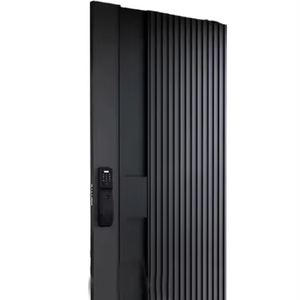
BST Ex-01 Modern Aluminium Anti-Theft Security Exterior Entry Door with 5 Year Warranty
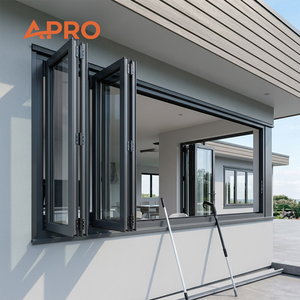
Aluminium Glass Bi Fold Window Aluminum Folding Fold up Glass Window
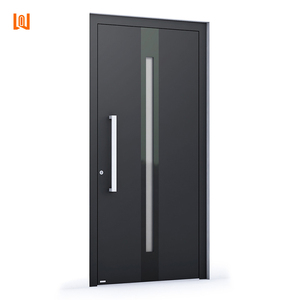
WANJIA Customized Residential Exterior Aluminum Main Door Front Entry Security Door
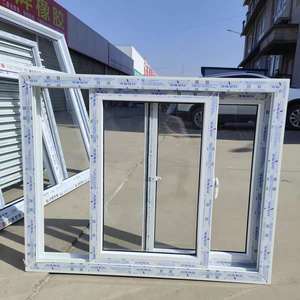
Factory Direct Custom Size Double Glazed Windows & Doors - Energy Efficient
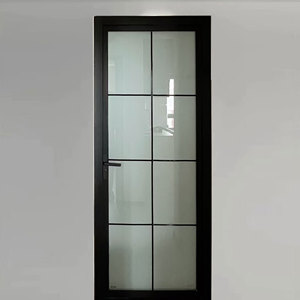
Custom Aluminum Alloy Villa Doors & Windows Tempered Glass Sliding Doors
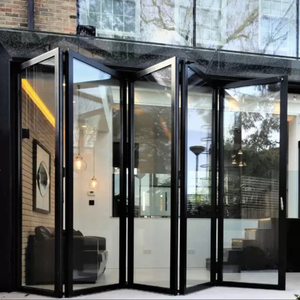
Florida Approval 10 Year Warranty Exterior Patio Black Aluminum Frame Glass Bifold Door
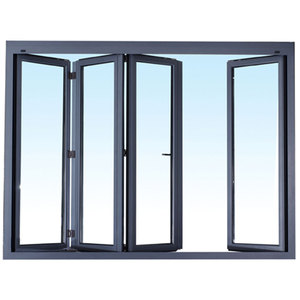
AS2047 Aluminium Frame Tilt & 3 Track Double Glazed Sliding Window System
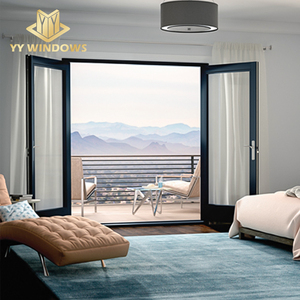
Modern Style Thermal Break Insulation Aluminium Casement Doors with Integrated Flyscreen
Aluminium Roll Up Doors in Sri Lanka: Climate Resilience & Structural Integrity
An engineering breakdown of how specialized extruded aluminum roller shutters, insulated entry systems, and architectural facades fulfill Sri Lanka's coastal infrastructure demand.
Tropical Coastal Salinity & Anti-Corrosion Demands
Sri Lanka’s unique geography—encircled by the Indian Ocean with intense ambient relative humidity (often exceeding 85%) and airborne salt spray—creates an aggressive corrosive environment for building envelopes. Standard mild steel and unpassivated roller doors succumb to red rust within months in coastal belts such as Colombo, Galle, Bentota, and Trincomalee.
Export-grade aluminium roll up doors utilizing high-grade 6063-T5 or 6061-T6 extruded aluminum alloy profiles coated with Qualicoat Class 2 fluorocarbon (PVDF) or 25-micron marine-grade anodization eliminate oxide deterioration. This guarantees structural durability without aesthetic degradation across a 20+ year lifespan.
Monsoon Wind Load & Structural Deflection Engineering
During the South-West Monsoon (May to September) and North-East Monsoon (December to February), coastal and hill-country structures in Sri Lanka experience extreme gust velocities reaching up to 140–180 km/h. Standard lightweight shutter slats dislodge from side guide tracks under severe wind pressure.
Our heavy-duty aluminum roll up doors feature interlocking double-walled polyurethane foam-injected slats and deep-anchored side track guide channels with nylon wind-endlocks. This structural design achieves compliance with international wind load standards (ASTM E330 / EN 12424 Class 4), preventing curtain blow-outs in commercial complexes and logistics facilities.
Aluminium Roll Up Door Systems vs. Traditional Steel Shutters
Why developers, main contractors, and architects in Sri Lanka are replacing conventional steel doors with extruded aluminum roller systems.
| Performance Feature | Export Aluminium Roll Up Doors (Foshan Factory Grade) | Traditional Galvanized Steel Shutters | Sri Lanka Architectural Relevance |
|---|---|---|---|
| Corrosion Resistance | Class C4/C5 Marine Grade (Chromate conversion + PVDF/Anodized 25μm) | Base zinc layer; highly prone to edge rust & pinhole corrosion | Essential for coastal developments (Colombo Port City, Galle Resort Zone) |
| Thermal Insulation (U-Value) | Polyurethane Core: U ≤ 1.5 W/m²K (Thermal break options available) | Single skin steel: U ≥ 5.8 W/m²K (Conducts radiant tropical heat) | Reduces air conditioning loads in high-ambient temperature regions |
| Operational Noise Level | < 50 dB (Nylon side-guide webbing & continuous rubber bottom seals) | > 78 dB (Metal-on-metal friction & rattling during operation) | Critical for luxury boutique hotels, residential villas & luxury retail |
| Weight & Motor Load | 40% lighter than steel; reduced strain on tubular/side motor gearboxes | Heavy curtain mass; requires larger electric motors with high wear rates | Prolongs motor motor lifespan; allows easier manual emergency operation |
| Wind Pressure Rating | Up to 2.4 kPa (Reinforced hurricane windlocks & heavy-wall rails) | 0.8 – 1.2 kPa (Prone to slat buckling under heavy monsoon gusts) | Protects structural openings during severe Sri Lankan cyclone weather events |
Procurement Advice for Sri Lankan Importers & Construction Managers
When sourcing aluminium roll up doors from China to Sri Lanka, ensure the mill test certificates verify 6063-T5 aluminum alloy chemical composition (Si: 0.2-0.6%, Mg: 0.45-0.9%). Avoid re-melt scrap aluminum profiles which exhibit premature embrittlement and micro-cracking under humid tropical marine exposure.
Tailored Aluminium Door Solutions Across Sri Lankan Sub-Regions
From Colombo's urban high-rises to Nuwara Eliya's highlands, architectural requirements vary significantly by micro-climate and building functionality.
1. Colombo Commercial Hubs & Port City Logistics
Primary Requirement: High-speed automation, anti-theft security, sleek aesthetic integration, and high cycle frequency.
In Colombo 01 to 07 and the expanding Colombo Port City financial district, commercial storefronts and underground parking structures require rapid open/close cycles (up to 0.8m/s). Our automated high-speed aluminum roll up doors feature smart sensors, obstacle auto-reverse protection, and integration with modern building management systems (BMS).
2. Coastal Luxury Resorts: Galle, Bentota & Mirissa
Primary Requirement: C5-M extreme salt-spray resistance, panoramic aesthetic, quiet operation, storm protection.
Luxury beach resorts and oceanfront villas along the Southern coastline require storm-rated protection that does not compromise architectural elegance. Powder-coated black or anodized wood-grain aluminum roll-up shutters act as dual-purpose security barriers and thermal insulation screens, keeping interior guest spaces cool while resisting coastal salt-mist decay.
3. Hill Country Properties: Kandy & Nuwara Eliya
Primary Requirement: Thermal insulation, moisture sealing, condensation prevention, insect screening integration.
In high-altitude areas like Nuwara Eliya and Kandy, ambient temperatures drop significantly at night, causing interior condensation and heat loss. Thermal-break aluminum roll up doors with PU insulation core retain interior heating, block cold highland winds, and maintain thermal equilibrium while preventing dampness penetration.
Architectural & Procurement Trends Shaping Sri Lanka Construction
Understanding how localized economic and design evolutions dictate window and door specification across Sri Lanka.
Shift Towards Energy Efficient Green Buildings (GREENSL Certification)
The Green Building Council of Sri Lanka (GBCSL) has accelerated green building compliance standards. Developers now prioritize low U-value thermal break aluminum profile systems and double-glazed low-E doors to minimize building carbon footprints and operational electricity costs driven by rising tariff structures from the Ceylon Electricity Board (CEB).
Rise of Pre-Engineered Warehouses & Katunayake EPZ Expansion
With Sri Lanka strengthening its position as a transshipment and apparel manufacturing hub, industrial zones such as Katunayake, Biyagama, and Hambantota are expanding rapid logistics infrastructure. This expansion has generated substantial demand for large-span (spanning up to 8 meters wide) motorized aluminum industrial roller shutters equipped with wind-proof endlocks.
Modern Architectural Preference: Ultra-Slim Sightlines & Bi-Fold Systems
Contemporary residential architecture in Sri Lanka is moving away from bulky concrete structures toward open-plan living that connects indoors with lush outdoors. Ultra-narrow frame aluminum sliding doors, stackable bi-fold systems, and integrated rolling shutters are becoming standard specifications in high-end private residence blueprints.
Direct China Factory Sourcing to Counter Local Distribution Markup
To optimize construction budget allocations amid fluctuating freight costs, major Sri Lankan main contractors are bypassing local intermediary traders. By establishing direct OEM/ODM relationships with Foshan aluminum door factories, importers secure custom-engineered shop drawings, lower square-meter rates, and full international certification documentation.
Frequently Asked Questions by Sri Lankan Buyers
Addressing import tariffs, sea freight logistics to Colombo Port, electrical motor specifications, and custom manufacturing parameters.
Why Direct Sourcing from Foshan KARON Manufacturing Delivers Margin Advantage
Rooted in Nanhai District, Foshan—the world's hub for premium architectural aluminum extrusion—our integrated plant controls every stage from profile design to final export packing.
10,000㎡ Standardized Manufacturing Facility
Equipped with automated CNC double-head cutting saws, multi-axis machining centers, high-precision corner crimping systems, and automated polyurethane insulation injection lines to guarantee tight dimensional tolerances within ±0.5mm.
Global Multi-Standard Compliance & Testing
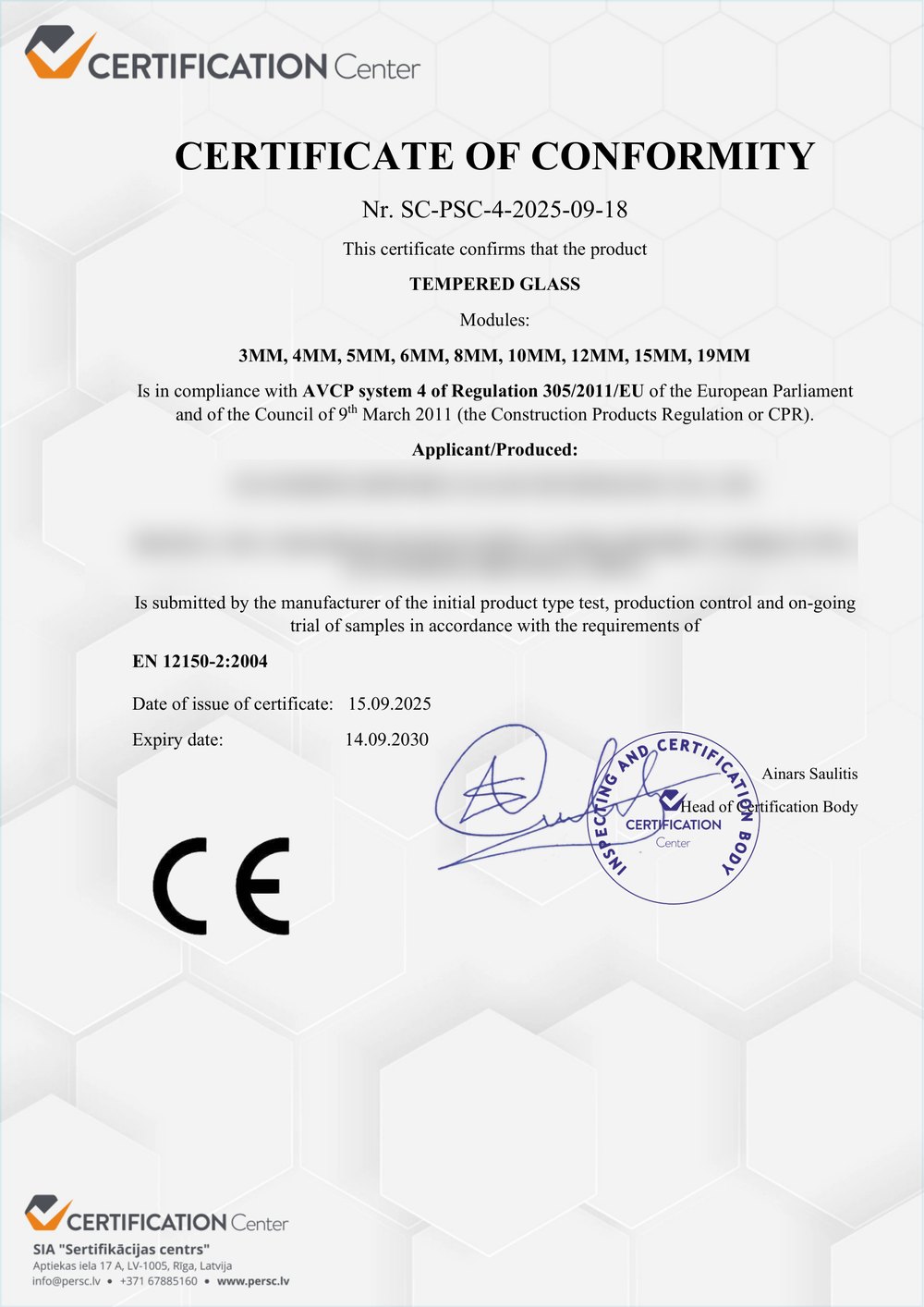
Our architectural systems are benchmarked against CE EN 12150, US SGCC safety glazing standards, Australia AS 2208, New Zealand AS/NZS 2208, Thailand TISI, and Malaysia CIDB PPS specifications—simplifying local consultant approval in Sri Lanka.
Complete Pre-Shipment Quality Inspection
Before packing, 100% of custom orders undergo trial frame assembly, motorized rolling cycle testing, seal tightness verification, and paint thickness micrometer inspection to eliminate installation delays on your job site.
Ready to Import High-Performance Aluminium Roll Up Doors to Sri Lanka?
Send us your project drawings, opening schedules, or tender specifications today. Our senior structural engineers will provide detailed CAD shop drawings, wind load calculations, and a competitive direct factory quote within 24 hours.