Engineered Fenestration Systems for Greater Tokyo
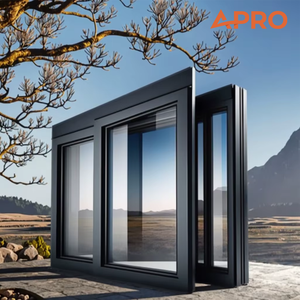
Precision-manufactured aluminum casement doors, slimline sliding systems, and hurricane-rated glazed solutions optimized for Japanese building codes and urban luxury designs.
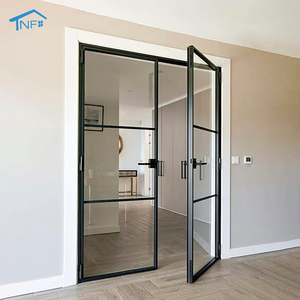
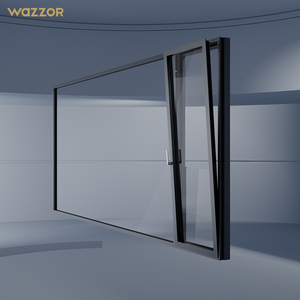
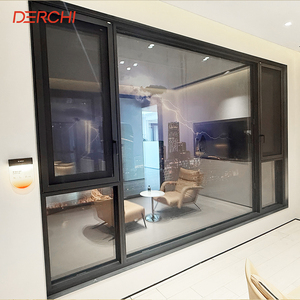
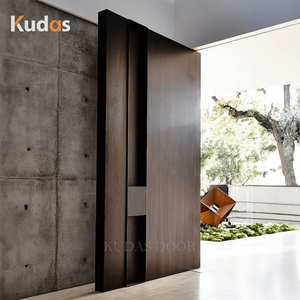
Engineering Aluminum Glazed Doors for Tokyo’s Complex Microclimate & Urban Density
The Greater Tokyo Metropolitan Area presents one of the world's most demanding structural and thermal environments for architectural fenestration. Situated within Japan’s Climate Zone 5, Tokyo experiences pronounced seasonal swings—from hot, humid summers driven by Pacific maritime air masses to crisp, dry winters influenced by continental Siberian fronts. Furthermore, the region’s geographical exposure along the Pacific Rim subjects high-rise developments, commercial complexes, and luxury residential estates to severe annual typhoon conditions (averaging wind gusts exceeding 45–60 m/s) and severe seismic forces.
As a specialized Aluminum Glazed Door Manufacturer & Exporter serving Tokyo, KARON (Karon Window & Door Co., Ltd.) engineers high-performance door systems designed to harmonize with Japanese structural engineering criteria, strict acoustic damping regulations along urban transport corridors, and rigorous Zero Energy Building (ZEB) thermal efficiency frameworks under the updated Building Energy Efficiency Act (Kenchiku Shouene Hou).
Information Gain Insight for Tokyo Procurement Engineers: Standard commercial glazing systems imported without structural structural drift accommodation often fail during Tokyo's seismic events. Our localized fenestration designs integrate flexible EPDM gasket channels and structural silicone anchoring that accommodate up to 1/100 inter-story drift angles without frame distortion or glass fracture.
Key Structural & Thermal Performance Benchmarks for Tokyo Exports
To ensure seamless integration into Japanese architectural schedules, our custom aluminum glazed entrance doors, heavy-duty sliding patio systems, and bi-fold glass walls undergo stringent multi-axial performance testing aligned with international and Japanese Industrial Standards (JIS A 4702 & JIS A 4706):
- Structural Seismic Resilience (Inter-Story Drift Angle): Engineered frame-to-glass clearances with structural polyamide thermal breaks (PA66GF25) and resilient peripheral sealing to absorb high-frequency seismic vibrations and lateral shear forces caused by Tokyo’s frequent earthquakes.
- Typhoon-Grade Water & Air Tightness (JIS W-5 & A-4 Ratings): Multi-point compression locking hardware combined with triple-sealed EPDM weatherstripping guarantees water tightness against driving rain pressures up to 500 Pa–700 Pa and extreme wind resistance exceeding 3,600 Pa (S-6 to S-7 ratings).
- Thermal Transmittance (U-Value Performance): Polyamide thermal barrier profiles featuring multi-chambered insulating cores paired with Argon-filled double or triple Low-E tempered glass achieve thermal transmittance U-values down to 1.1 – 1.4 W/m²K, easily fulfilling Japan's ZEB and luxury residential energy targets.
- Acoustic Isolation (JIS T-3 / T-4 Damping Ratings): Heavy urban traffic along the Shuto Expressway and proximity to Yamanote Line/Shinkansen railway tracks demand high-density acoustic insulation. Our laminated acoustic glazing achieves sound reduction indices up to STC 42 dB (Rw 40 dB).
Performance Matrix: Standard Export vs. Tokyo High-Spec Glazed Door Systems
| Performance Metrics | Standard Export Aluminum Door | KARON Tokyo Heavy-Duty System | Compliance Benchmark |
|---|---|---|---|
| Thermal Insulation (U-Value) | 2.8 - 3.2 W/m²K | 1.1 - 1.4 W/m²K | JIS A 4710 / ZEB Ready |
| Wind Pressure Resistance | 2,000 Pa (S-4) | 3,600 Pa+ (S-7 Grade) | JIS A 4702 Typhoon Proof |
| Water Tightness Rating | 250 Pa (W-3) | 500 Pa - 750 Pa (W-5) | JIS A 4702 Driving Rain |
| Acoustic Damping (Noise Cut) | 25 - 28 dB | 38 - 42 dB (T-3 / T-4) | JIS A 4706 Urban Corridor |
| Seismic Movement Capacity | Fixed / Rigid Framing | 1/100 Drift Flexibility | Japanese Building Standard Law |
Localized Application Scenarios across Tokyo’s Urban Landscape
Different wards and suburban zones within Tokyo require targeted fenestration solutions based on building footprint, height, aesthetic codes, and coastal proximity. Below are the primary application scenarios where KARON aluminum glazed doors deliver maximum value:
Luxury High-Rise Condominiums (Minato & Roppongi)
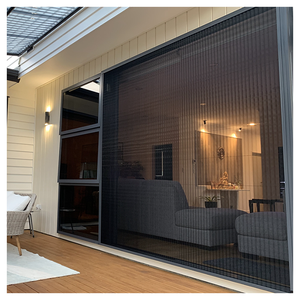
For high-rise residential towers requiring expansive floor-to-ceiling balcony access, our ultra-narrow thermal break sliding doors offer minimal sightlines, effortless glide operation on heavy-duty stainless steel rollers, and acoustic isolation against vibrant city nightlife.
Flagship Retail Storefronts (Ginza & Omotesando)
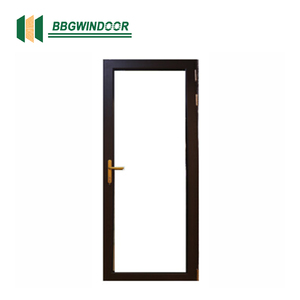
Luxury commercial storefronts in Ginza demand crystal-clear visual connectivity and smooth visitor flow. Our commercial double-tempered glass casement french doors and motorized heavy-duty pivot doors feature low-iron structural glass and concealed floor springs for premium aesthetics.
Suburban Residential Villas (Setagaya & Yokohama)
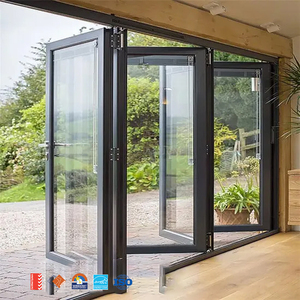
Single-family detached residences in high-end suburbs utilize our heavy-duty coastal folding glass doors (bi-fold systems) to create seamless indoor-outdoor living transitions to garden patios while maintaining maximum thermal barrier protection during cold Kanto winters.
Coastal & Waterfront Developments (Tokyo Bay & Odaiba)
Exposed waterfront structures face aggressive salt spray and accelerated corrosion. KARON supplies anodized or PVDF fluoropolymer-coated aluminum door frames (qualicoat standard) combined with hurricane-proof double laminated glass to resist saline deterioration.
Enterprise Capabilities: Why Tokyo Contractors & Developers Partner with KARON
With over 15 years of international export engineering experience and a state-of-the-art 10,000 m² standardized manufacturing plant in Foshan, Guangdong (the heart of global aluminum extrusion technology), KARON provides an end-to-end manufacturing and supply chain bridge directly to Tokyo port terminals.
Bespoke Shop Drawings
Our engineering division translates architectural blueprints into accurate CAD/BIM shop drawings, confirming opening tolerances, glass build-ups, hardware specs, and drainage sub-frame detailing before production.
Certified Glazing Options
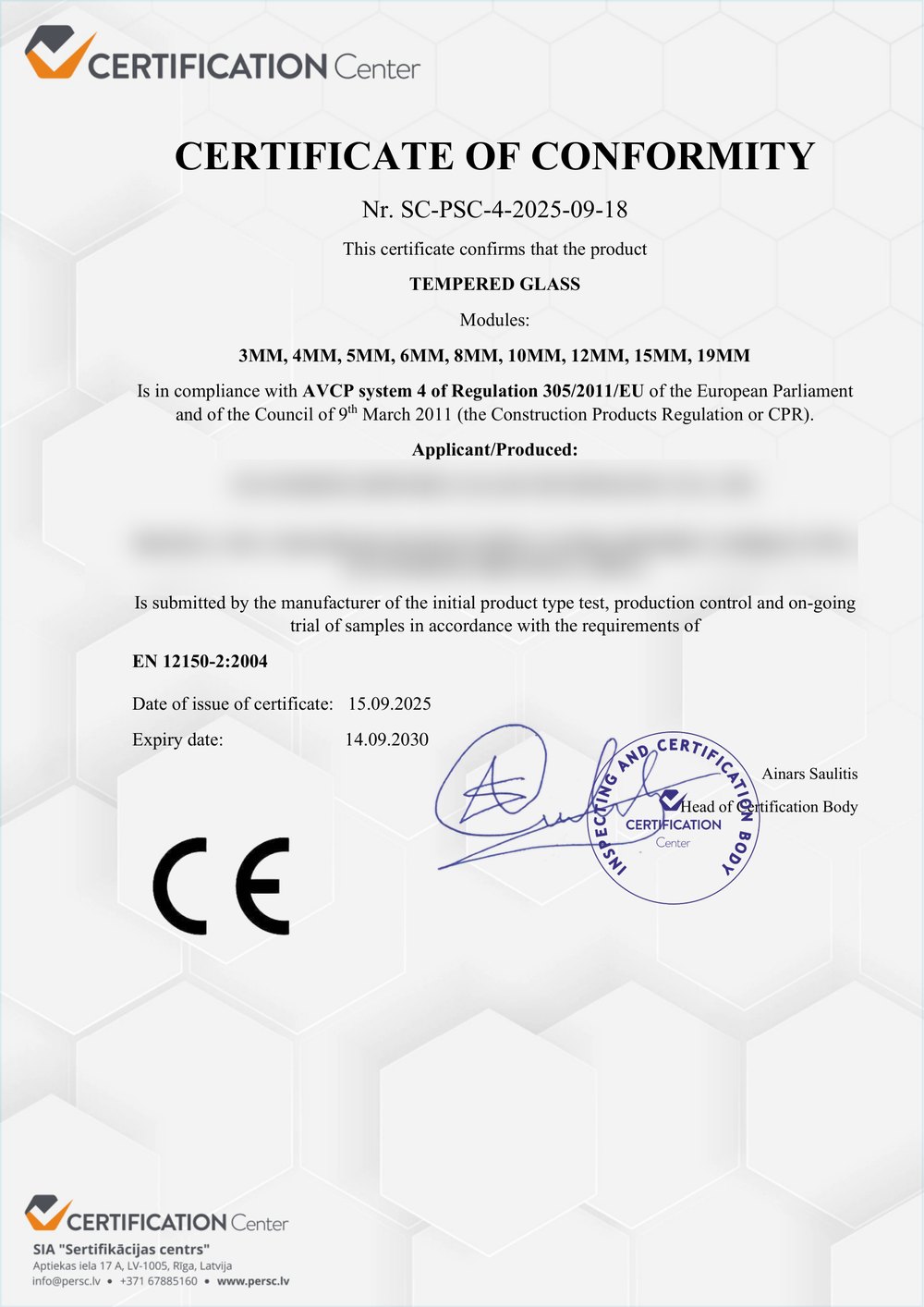
Every glass panel is processed under strict quality protocols holding global credentials including US SGCC, European CE EN 12150, and Australian AS/NZS 2208 standards, ensuring ultimate impact safety and structural durability.
Precision CNC Machining
Automated 4-axis CNC cutting and corner-crimping technology maintain micro-tolerances within ±0.5mm, ensuring exact frame squareness, seamless corner miters, and air-tight perimeter seal seating.
Rigorous Quality Audit
Every completed aluminum door assembly undergoes 100% full-process quality inspection—including water tightness chamber testing, hardware operational cycle testing, and finish coating thickness audits.
Sea-Freight Export Packaging
To eliminate transport damage across sea lanes from South China to Tokyo Bay, products are wrapped in protective film, corner-shielded, and crated in fully sealed, steel-reinforced export fumigation-free wooden cases.
Direct Port Delivery
We coordinate streamlined shipping logistics with major maritime lines straight to the Port of Tokyo (Oi / Aomi Container Terminals) or Yokohama Port, managing customs documentation for fast clearance.
Frequently Asked Questions by Tokyo Architects, Importers & General Contractors
Navigating cross-border fenestration procurement requires total clarity on technical specifications, lead times, and structural compliance. Below are direct answers to common queries when sourcing aluminum glazed doors for Japan projects:
How do KARON’s aluminum glazed doors comply with Japanese building regulations? +
Our systems are designed around international standards benchmarked against JIS A 4702 (Doors and Windows performance) and the Japanese Building Standard Law. We provide comprehensive technical dossiers detailing wind load calculations (up to 3600 Pa+), thermal U-values, glass safety certificates (CE/SGCC/AS2208), and structural drift tolerances to support your local Japanese architect of record during building permit filings.
What thermal glass configurations are recommended for Tokyo’s Climate Zone 5? +
For Tokyo, we typically recommend a thermal break aluminum profile system (using 24mm to 34mm PA66GF25 polyamide strips) paired with Double Low-E Insulated Glass Units (e.g., 6mm Low-E + 12mm Argon Spacer + 6mm Clear Tempered Glass). For zero-energy project targets (ZEB), Triple Glazed units with warm-edge spacers are available to achieve U-values under 1.2 W/m²K.
What is the typical shipping lead time from your factory to the Port of Tokyo? +
Production lead time for custom aluminum glazed door orders typically ranges between 25 to 35 days depending on profile finish (powder coating vs. anodizing/PVDF) and glass complexity. Maritime transit time directly from Foshan/Shenzhen ports to the Port of Tokyo or Yokohama is approximately 5 to 9 ocean transit days, making ocean freight fast and highly reliable.
Can KARON produce custom frame colors to match specific Japanese design palettes (e.g., Tostem/YKK color standards)? +
Yes. We offer complete custom surface treatments including AkzoNobel and PPG powder coatings matched to RAL colors or specific Japanese architectural anodized finishes (such as Matte Black, Champagne Gold, Dark Bronze, and Natural Silver). Fluoropolymer PVDF coatings and realistic thermal-transfer wood-grain finishes are also available for coastal environments.
How do you handle structural sealing against Tokyo's driving typhoon rains? +
Our doors utilize continuous multi-channel EPDM synthetic rubber gaskets that retain elasticity across extreme temperature ranges (-40°C to +120°C). Combined with concealed internal drainage tracks, pressure-equalized sill designs, and German-engineered multi-point locking systems, water ingress is prevented even under severe 500 Pa–750 Pa positive wind pressures.
What support is provided for jobsite installation in Tokyo? +
We provide detailed shop drawings, 3D installation exploded views, step-by-step video manuals, and direct technical consultations between our fenestration engineers and your Japanese installation team. All frame components are pre-machined, labeled, and color-coded to allow straightforward assembly on site.
Ready to Source High-Performance Glazed Doors for Your Tokyo Project?
Send your architectural elevation drawings, window schedule, or project specifications to our engineering team. We will review structural requirements, perform thermal calculations, and provide a detailed commercial proposal within 24 hours.
Get a Quote