High-Performance Anthracite Grey (RAL 7016) Aluminium Window Systems
Explore our project-proven range of thermal break and standard aluminium windows custom-manufactured in Foshan, engineered specifically to satisfy Moroccan RTCM building codes and severe weather demands.
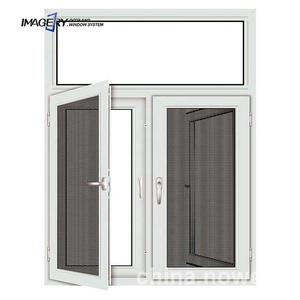
Modern Thermal Break Aluminium Casement Window with Mosquito Net
- Double Glass Low-E Insulation
- Integrated 304 Stainless Mesh Screen
- Matte Anthracite / Silver / Black Finish
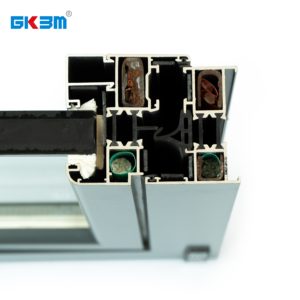
GKBM Anthracite Grey Double-Glazing Thermal Break Casement Window
- 24mm PA66 Insulation Strip
- Class 5 Air Tightness Rating
- Heavy Duty Multi-Point Lock
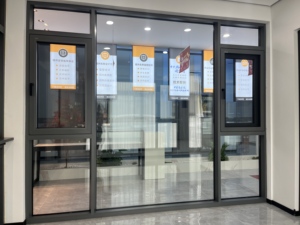
Anthracite Double Inward Casement Window with Top Transom & Insect Screen
- Top Transom Daylight Maximizer
- Removable Fly Screen System
- Ideal for Modern Moroccan Villas
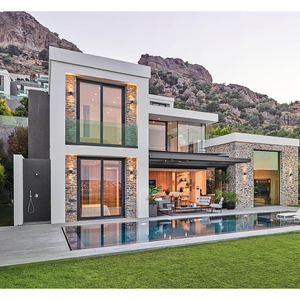
Custom Modern Anthracite Double Glazed Architectural Window & Door System
- Tailored Architectural Extrusions
- Acoustic Insulation U-Value < 1.6
- Qualicoat Certified Coating
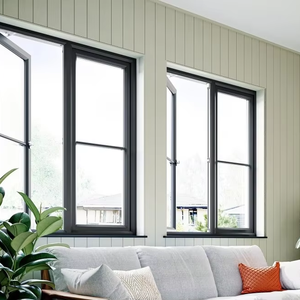
Prima High-End Powder Coated Anthracite Grey Aluminium Casement Window
- Ultra-Slim 45mm Profile Sightline
- German SIEGENIA Hardware
- Superior UV & Salt Spray Shield
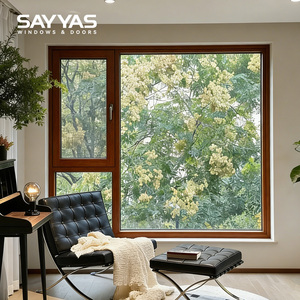
SAYYAS F120 Fixed Luxury Aluminum-Clad Wood Window in Anthracite Grey
- Exterior Anthracite / Solid Wood Interior
- Triple-Pane Argon Insulated Glass
- Engineered for Living Room & Villa Glazing
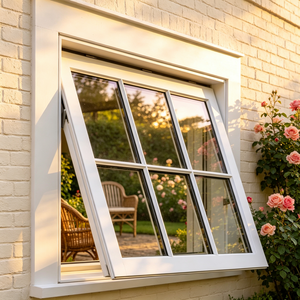
Slim Bevel Top Hung Modern Facade Window Powder-Coated Anthracite
- Awning Top-Hung Ventilation
- Beveled Profile Frame Aesthetics
- Rainproof Awning Performance
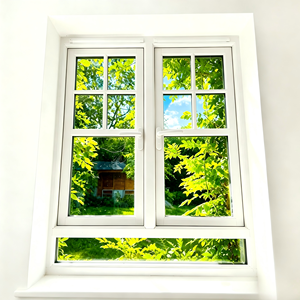
Tilt & Turn Thermal Triple Panel System Window with Fixed Center Transom
- Dual Opening Functionality
- Central Fixed Panoramic Glazing
- Custom Dimensions for Apartments & Condos
Technical Whitepaper: Engineering Anthracite Aluminium Windows for the Moroccan Market
As Morocco experiences an unprecedented construction boom driven by national infrastructure expansion, luxury hospitality growth in Marrakech, and high-density commercial developments in Casablanca and Tangier, the demand for architectural aluminium envelope systems has surged. Among contemporary palette choices, Anthracite Grey (RAL 7016 and RAL 7021) has established itself as the benchmark finish for modern African-Mediterranean architectural aesthetics.
However, importing standard architectural windows into Morocco presents severe microclimate challenges. Morocco's geographic spectrum ranges from high-salinity Atlantic and Mediterranean coastal corridors to harsh desert climates featuring extreme diurnal temperature swings ($\Delta T > 25^\circ\text{C}$) in inland cities like Marrakech and Fez. Window units manufactured without localized engineering risk rapid seal failure, thermal bridging, frame warping, and premature powder-coat chalking or filiform corrosion.
SEO & Technical Insight: The Moroccan National Building Energy Efficiency Code (Réglementation Thermique du Bâtiment au Maroc - RTCM) sets strict limits on thermal transmittance ($U_w$) and Solar Heat Gain Coefficients ($SHGC$). China-manufactured thermal break aluminium systems engineered by KARON combine PA66GF25 polyamide thermal barriers with double-sealed Low-E insulated glass to exceed RTCM compliance while reducing HVAC cooling loads by up to 34%.
1. Microclimate Engineering & Material Selection for Morocco
To withstand Morocco's diverse environmental stress factors, top-tier Chinese exporters must utilize high-grade architectural aluminium extrusions. KARON utilizes prime billet AA6063-T6 architectural aluminium alloy with a wall thickness exceeding 1.6mm for windows and 2.0mm for heavy-duty door frames, conforming strictly to EN 755-9 specifications.
For coastal regions such as Casablanca, Tangier-Med, Rabat, and Agadir, salt fog and atmospheric moisture accelerate corrosion. Standard powder coatings degrade rapidly under ocean air exposure. KARON applies Qualicoat Class 2 / Seaside-grade thermosetting powder coatings (60–80 microns thickness). This process includes multi-stage pre-treatment with chromate-free zirconium etching, ensuring over 2,000 hours of acetic acid salt spray (AASS) testing without adhesion loss or blistering.
2. Thermal Break Structural Performance (PA66GF25 Polyamide Strips)
Uninsulated aluminium profiles conduct ambient heat into interior spaces, forcing air conditioning systems to operate continuously under Morocco's summer sun. Our Anthracite Grey window range incorporates 24mm to 34mm multi-cavity polyamide insulating strips reinforced with 25% fiberglass (PA66GF25). This structural barrier breaks the conductive heat path between the outer shell exposed to +45°C solar heat and the climate-controlled indoor living space.
Localized Application Scenarios Across Moroccan Microclimates
Understanding regional architectural preferences and environmental stressors is essential for real estate developers, general contractors, and architectural specifiers importing Chinese aluminium windows into Morocco.
Casablanca & Tangier Coastal High-Rises
Commercial towers and luxury apartments facing Atlantic gust loads requiring Class 5 air tightness (EN 12207) and Class C5 wind load resistance (EN 12210). Anti-corrosion Seaside anodizing prevents salt pitting.
Marrakech & Ouarzazate Luxury Villas
High diurnal temperature variation demands low thermal conductivity ($U_f \le 1.6 \text{ W/m}^2\text{K}$). Anthracite Grey frames pair seamlessly with modern Mediterranean plaster and traditional tadelakt stone finishes.
Rabat & Fez Boutique Hotels & Riads
Acoustic isolation ($Rw \ge 42\text{ dB}$) against urban noise achieved via double or triple laminated glass configurations (6mm Low-E + 12Ar + 6mm Clear), creating serene indoor environments.
Technical Performance & Compliance Matrix for Exporters
Below is the engineered specification baseline for KARON's Anthracite Grey aluminium window systems supplied directly to Moroccan procurement channels:
| Engineering Property | Standard Non-Thermal Frame | KARON Thermal Break System | Testing Standard / Compliance |
|---|---|---|---|
| Profile Material | Recycled Aluminium Billet | 6063-T6 Primary Billet Alloy | GB 5237 / EN 755-9 |
| Frame Thermal Transmittance ($U_f$) | 4.2 - 5.5 W/m²K | 1.4 - 1.8 W/m²K | ISO 10077-2 / RTCM Morocco |
| Overall Window Transmittance ($U_w$) | 3.6 W/m²K | 1.1 - 1.5 W/m²K (Double Glazed) | EN ISO 12567-1 |
| Air Permeability | Class 2 (300 Pa) | Class 4 (600 Pa) | EN 12207 / ASTM E283 |
| Watertightness | Class 3A (150 Pa) | Class E1050 (1050 Pa) | EN 12208 / ASTM E331 |
| Wind Load Resistance | Class P2 (1200 Pa) | Class C5 / P3 (3000 Pa) | EN 12210 / ASTM E330 |
| Acoustic Performance ($Rw$) | 26 - 30 dB | 38 - 45 dB | ISO 140-3 / EN ISO 717-1 |
| Surface Finish Standard | Standard Anodized (10μm) | Qualicoat Seaside Powder (60-80μm) | Qualicoat Class 2 / ISO 2360 |
Market Drivers: Why Moroccan Developers Prefer Direct Sourcing from Foshan
Morocco’s construction sector is transitioning rapidly toward modern European visual standardizations without European price markups. Key industry developments driving Chinese direct procurement include:
1. Aesthetic Alignment with Modern Architecture: Anthracite Grey (RAL 7016) provides a sleek visual frame that contrasts elegantly with white stucco facades, stone cladding, and floor-to-ceiling double glazing. It has largely replaced traditional silver anodized and dark brown frames in premium residential plans.
2. Structural Cost Advantage vs. European Importers: European window systems imported into North Africa incur high brand premiums and extended lead times. Sourcing directly from certified Foshan manufacturers yields cost savings of 30% to 45% while adhering to identical European CE performance standards and hardware configurations (e.g., German Siegenia, Hoppe, or top-tier Chinese Kin Long systems).
3. Major Infrastructure & Tourism Boom: With Morocco hosting international mega-events (including co-hosting the FIFA World Cup 2030), new hotel resorts, commercial hubs, and high-speed rail corridor developments demand rapid-turnaround window fabrication, scalable batch outputs, and reliable marine container shipments.
KARON Manufacturing Capabilities & International E-E-A-T Compliance
Karon Window & Door Co., Ltd. operates a 10,000 m² standardized manufacturing facility in Nanhai District, Foshan—the world's capital of architectural aluminium extrusion. Operating under an ISO 9001 quality management framework, our factory integrates computerized precision cutting, CNC corner-crimping, automatic glass sealant injection, and full pre-shipment assembly verification.
Our global compliance credentials empower Moroccan developers and importers to clear customs smoothly and satisfy local municipal building inspections:
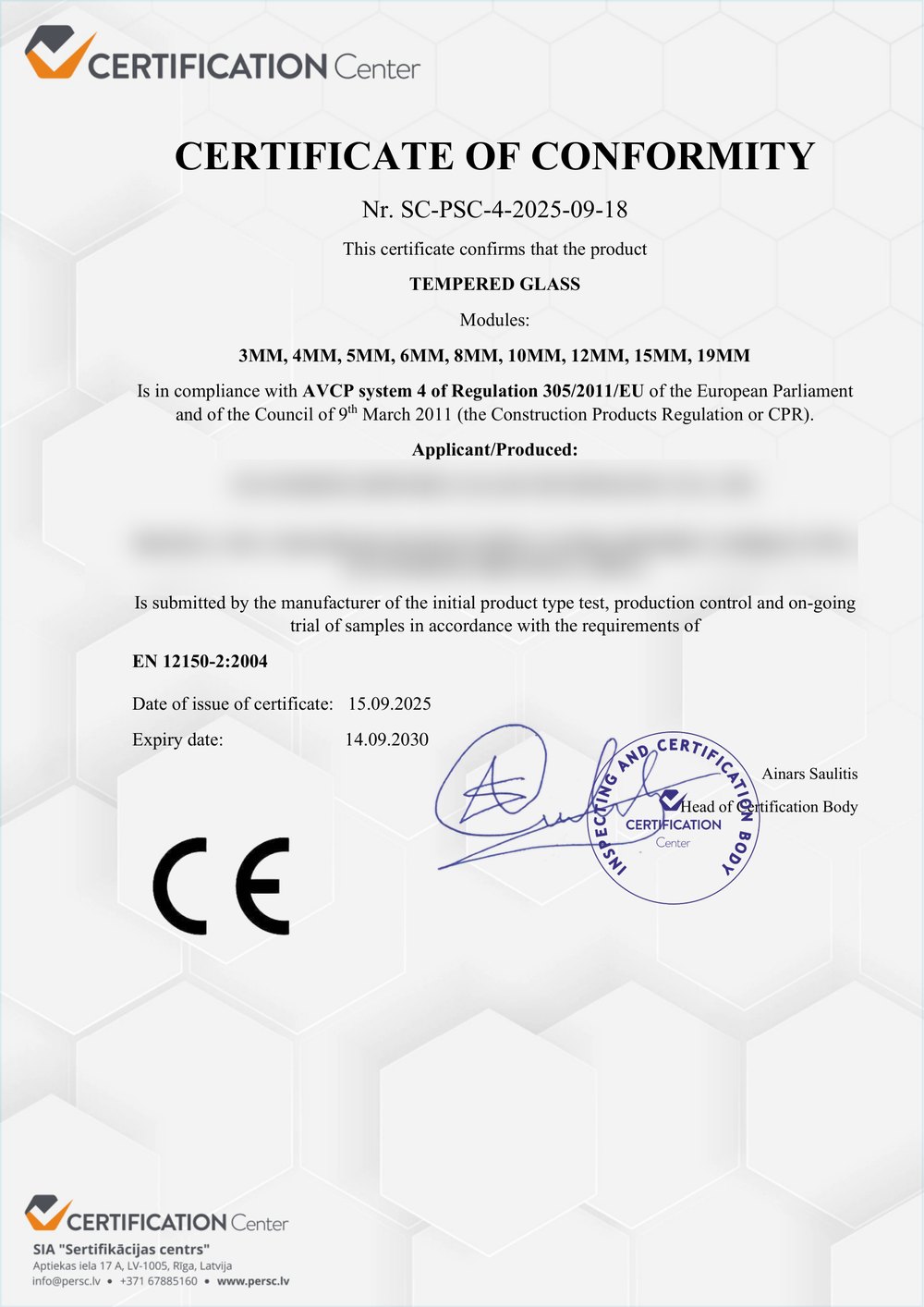 CE EN 12150
European Safety Glazing
CE EN 12150
European Safety Glazing
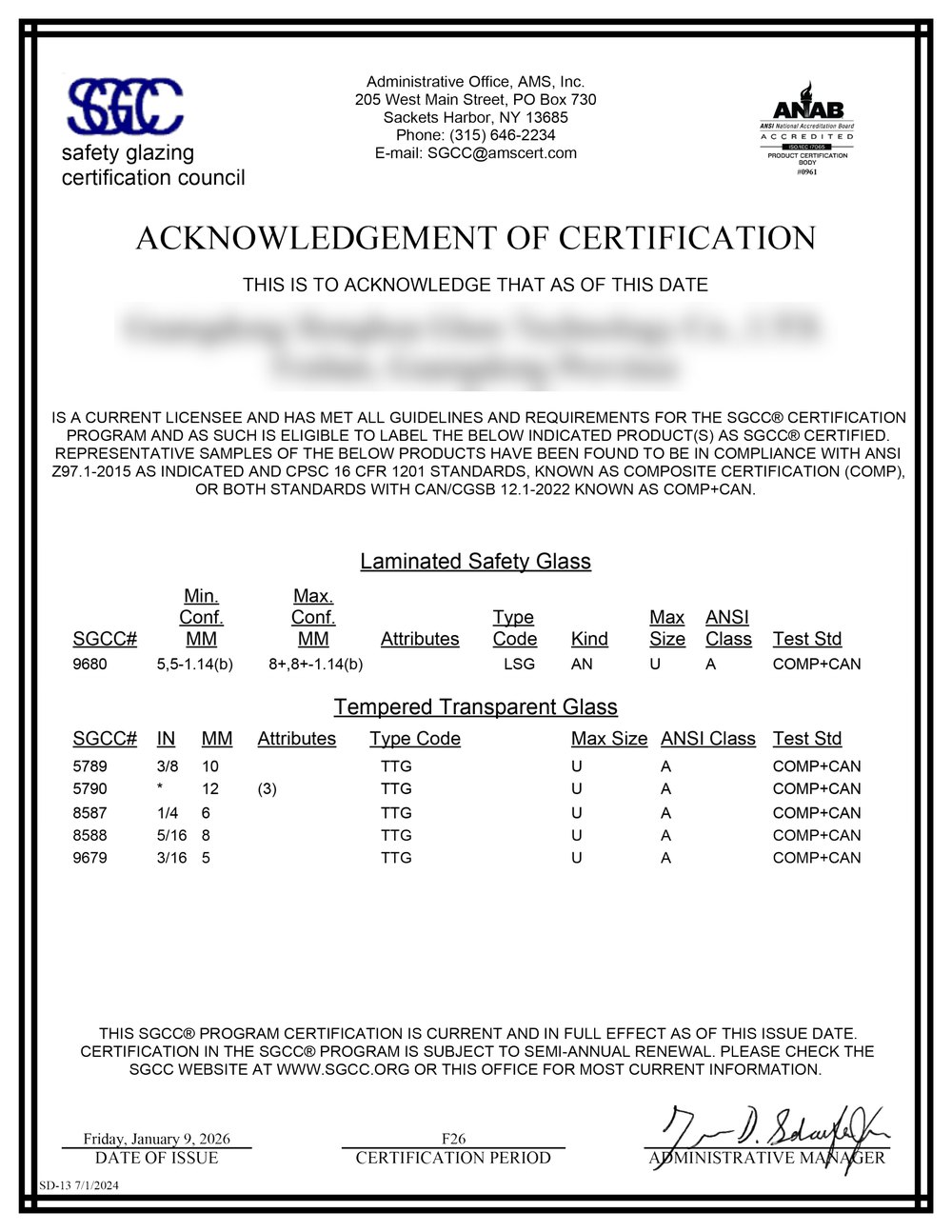 US SGCC
Safety Glazing Council
US SGCC
Safety Glazing Council
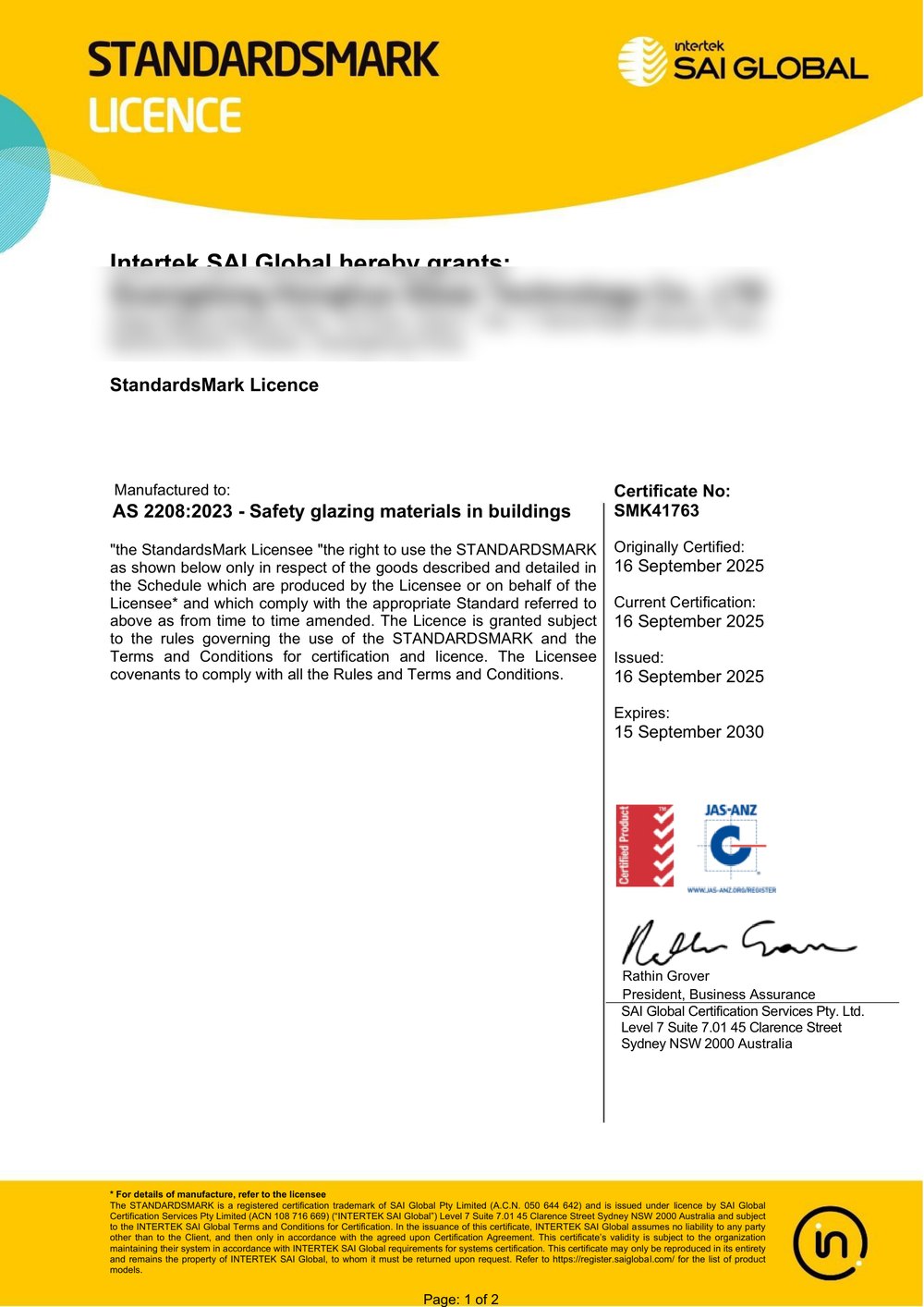 Australia AS 2208
SAI Global StandardsMark
Australia AS 2208
SAI Global StandardsMark
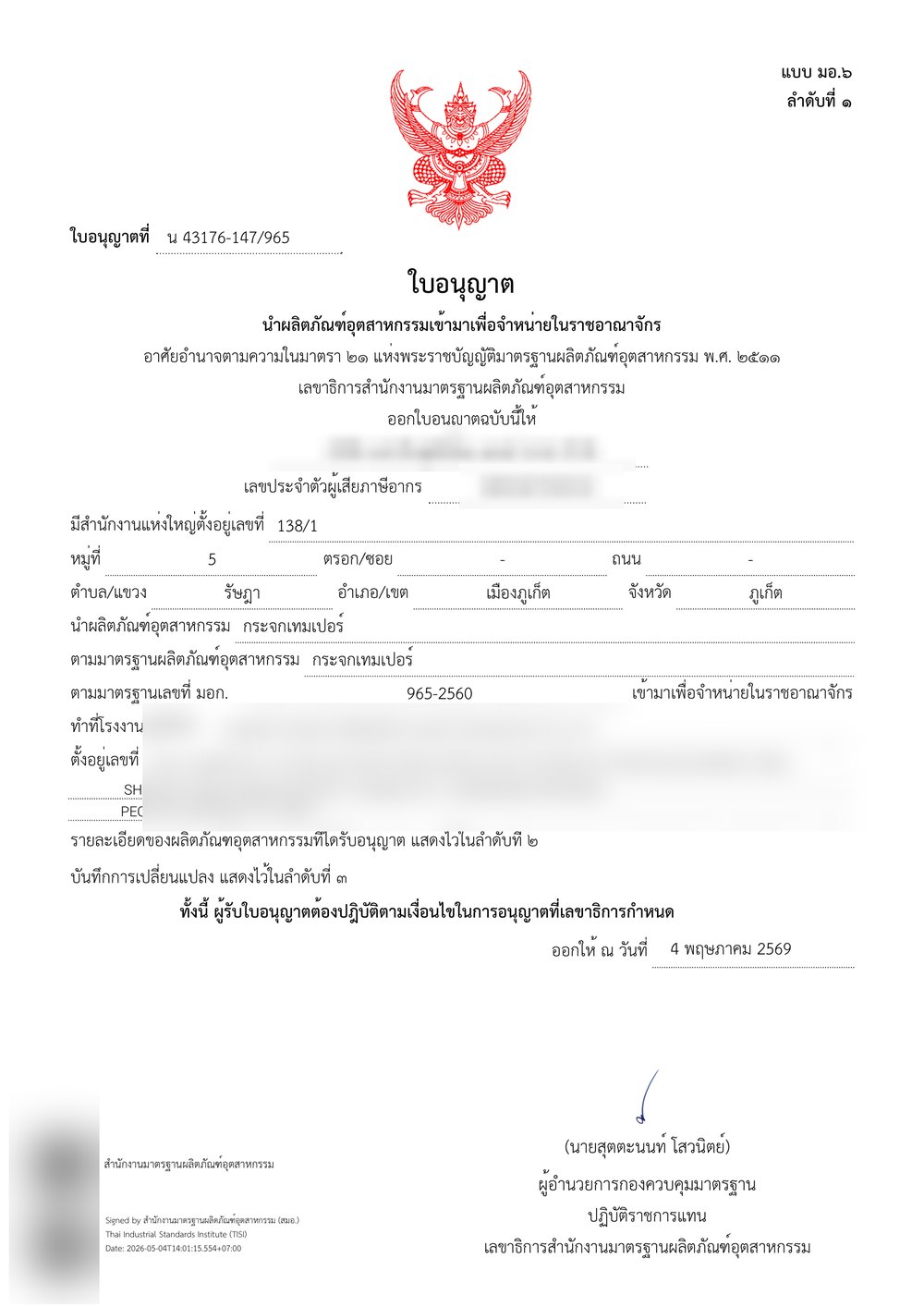 TISI & CIDB
Industrial Compliance
TISI & CIDB
Industrial Compliance
Frequently Asked Questions (FAQ) for Sourcing Windows to Morocco
Real-world logistics, technical compliance, and procurement answers for buyers importing custom aluminium windows from China to Morocco.
What customs documentation and HS codes apply when importing aluminium windows into Morocco?
How do KARON Anthracite Grey window coatings resist coastal salt spray in Casablanca & Tangier?
Can KARON manufacture custom dimensions to fit architectural CAD drawings from Moroccan engineers?
What is the typical ocean shipping lead time from Foshan to Port of Casablanca or Tangier Med?
What hardware brands are fitted on KARON Anthracite Casement and Tilt & Turn windows?
How does KARON ensure zero glass breakage and frame protection during ocean shipping?
Ready to Elevate Your Moroccan Architectural Project?
Send us your architectural window schedule or project drawings today. Our engineering sales team will analyze your requirements, provide detailed CAD shop drawings, and deliver a competitive factory-direct quotation within 24 hours.
Get a Quote