Executive Overview: The Evolution of Arch Architectural Systems in Nagoya
The architectural landscape of Nagoya—the industrial and structural epicenter of Japan's Chubu region—is undergoing a rapid transformation. Driven by modern luxury residential developments in districts like Showa-ku, Mizuho-ku, and Nishi-ku, alongside high-concept commercial revamps in Sakae and Meieki, demanding building specifiers are moving beyond conventional linear fenestration. Curved and semicircular aluminium arch door systems have emerged as the paramount architectural statement, seamlessly bridging European classical aesthetics with sleek modern minimalism.
However, exporting structural aluminium arch doors into Nagoya requires solving severe engineering trade-offs: satisfying Japan's strict Building Standard Law (BSLJ), surviving intense typhoon-induced wind loads from Ise Bay, ensuring thermal efficiency under the Japanese ZEH (Zero Energy House) standards, and maintaining micro-millimeter curve radius precision. As a premier Foshan-based direct manufacturer boasting over 15 years of international export prowess, KARON Window & Door Co., Ltd. delivers engineered aluminium arch door systems built explicitly to master Nagoya's unique climactic and regulatory conditions.
Featured Commercial & Residential Product Series
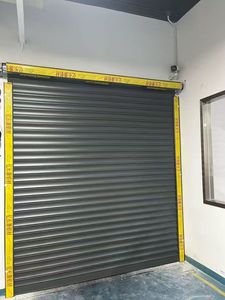
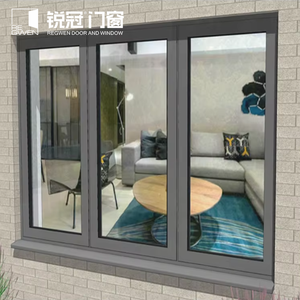
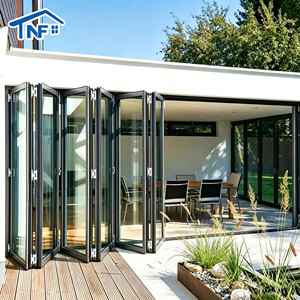
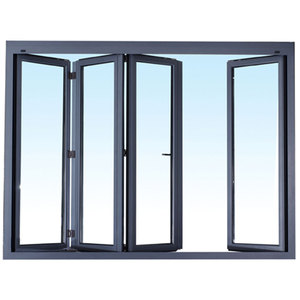
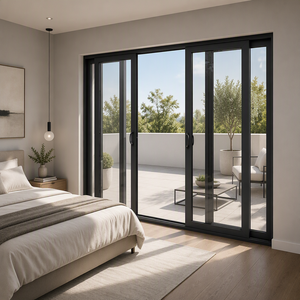
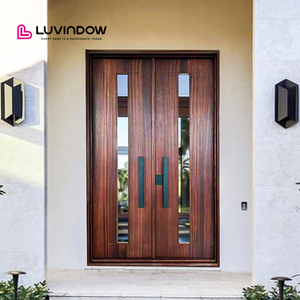
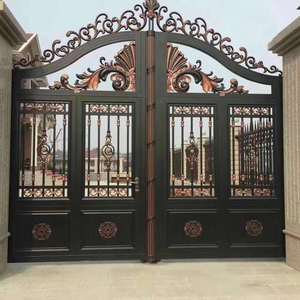
Explore KARON's flagship structural window and door systems engineered for international projects, combining thermal break profiles, hurricane-rated glass, and precision extrusion hardware.
Localized Architectural Trends & Technical Requirements in Nagoya
Procuring custom architectural fenestration for Aichi Prefecture requires an in-depth understanding of local environmental mechanics and municipal building performance metrics. Manufacturers competing in the Nagoya B2B sector must satisfy three strict core criteria:
Seismic Integrity & Structural Flexing
Located along active tectonic belts, Nagoya structures must resist severe lateral seismic deformation. Standard rigid door frames warp or shatter under stress. KARON's arch doors utilize specialized 6063-T6 alloy frames engineered with dynamic corner-crimping joints that absorb shear movements without compromising structural sealing.
Coastal Salt Spray Corrosion Prevention
With moisture blowing in from Ise Bay and Nagoya Port, industrial air and high airborne salinity accelerate frame oxidation. KARON applies premium AkzoNobel PVDF (Fluorocarbon) electrocoat finishes exceeding 30-micron thickness, protecting extruded surfaces against chalking, flaking, and marine salt corrosion for over 25 years.
Thermal Rating & Condensation Control
Nagoya experiences hot, humid summers and chilly winters (Region 5/6 thermal climate zone under Japanese energy standards). Uninsulated aluminium causes severe interior condensation. Our arch door series incorporates 24mm PA66 polyamide thermal break strips, achieving U-values down to 1.4 W/m²K when combined with Low-E argon double glazing.
Engineering Whitepaper: Technical Performance Matrix
To assist Nagoya-based architectural firms, general contractors, and facade consultants during the drafting phase, the technical comparison table below maps KARON’s proprietary aluminium arch door performance against local Japanese Industrial Standards (JIS A 4702).
| Performance Metric | JIS Standard Target (Japan) | KARON Arch Door Series Spec | Engineering Advantage & Compliance |
|---|---|---|---|
| Wind Pressure Resistance | S-5 Rating (2400 Pa) | Up to 5000 Pa (Hurricane Grade) | Reinforced 3.0mm primary wall profiles withstand typhoons originating in the Pacific. |
| Thermal Transmittance (U-Value) | H-4 Grade (≤ 2.33 W/m²K) | 1.4 - 1.8 W/m²K | Exceeds ZEH requirements utilizing imported Technoform PA66 insulating strips. |
| Air Infiltration Tightness | A-4 Grade (0.5 m³/h·m²) | A-4 Superior (0.2 m³/h·m²) | Triple EPDM continuous weatherboard gasket gaskets eliminate drafts completely. |
| Acoustic Insulation Performance | T-2 Grade (30 dB reduction) | 38 dB - 42 dB Sound Reduction | Laminated double glass units dampen urban traffic and railway noise in urban Nagoya zones. |
| Arch Radius Tolerance | ± 2.0 mm variance | ± 0.5 mm CNC Curved Precision | Eliminates site adjustments; guarantees seamless glass fitting into arched extrusions. |
The Mathematics of Perfect Curve Fabrication
Manufacturing an arched aluminum door requires far more technical rigor than fabricating standard rectangular frames. Bending a thermal break aluminum profile without causing structural wall buckling, internal polyamide strip snapping, or surface paint cracking requires state-of-the-art machinery. At KARON’s 10,000㎡ Foshan plant, we utilize 3D automatic CNC stretch-bending machines that maintain uniform radial pressure throughout the profile axis.
Our engineering office directly imports client DWG / BIM drawings, mapping the precise springline, rise height, and total radius. Before extrusion, finite element analysis (FEA) is performed to verify that structural wind load resistance remains consistent along the peak of the arch arc.
Localized Application Scenarios across Nagoya Real Estate
Custom architectural fenestration requires contextual design integration. KARON’s aluminium arch doors are engineered to match distinct building topologies across Aichi Prefecture:
Luxury Residential Villas (Showa & Mizuho Wards)
High-end multi-generational family estates in Nagoya’s prestigious residential pockets favor grand entrance arch pivot doors. Combining thermal break aluminum outer shells with interior real solid wood finishes provides timeless luxury, while 5-point multipoint lock systems provide superior burglar protection.
Boutique Commercial Storefronts (Sakae & Osu)
Retail outlets, flagship cafes, and wedding venues in Nagoya’s commercial hotspots demand visual impact to increase foot traffic. Custom arch bi-fold and sliding entrance systems create dramatic, wide-open shop facades that stand out against monotonous box-style commercial construction.
Coastal & Industrial Developments (Port of Nagoya Area)
Commercial office headquarters and waterfront hospitality projects near the port require extreme atmospheric protection. High-grade anodized arch door systems with double-laminated toughened glass guarantee safety against gale-force coastal weather while maintaining pristine visual clarity.
Why Japanese Buyers Partner with KARON Window & Door Co., Ltd.
Navigating overseas sourcing can introduce risk if the supplier lacks international quality credentials. KARON operates as an integrated manufacturer and exporter, controlling the complete chain from raw aluminium profile billet extrusion to final seaworthy wooden crate packaging.
Comprehensive Global Certifications
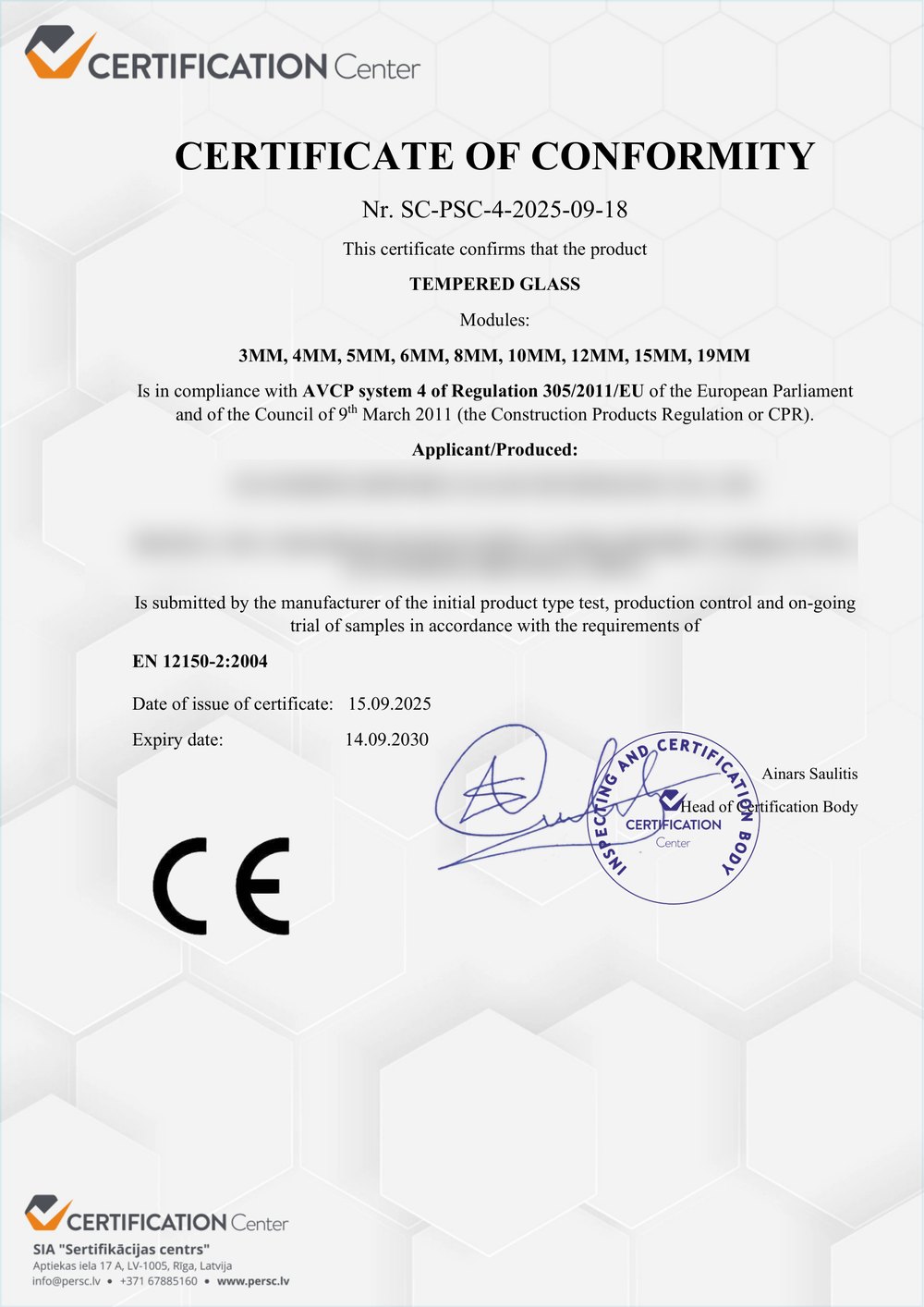
Every batch of glass and aluminum manufactured in our plant holds verified international compliance credentials, including CE (EN 12150), US SGCC safety glazing certification, Australia AS 2208, and TISI/CIDB standards. This documentation simplifies customs clearance and third-party engineering approval in Japan.
100% Pre-Shipment Trial Assembly
To guarantee zero installation errors on Nagoya construction sites, every arch frame, sash, and curved glass unit undergoes full trial assembly inside our workshop. Hardware operation, gasket compression, diagonal tolerances, and water-tightness are rigorously tested and video-documented prior to packing.
Dedicated B2B Export Logistics
We maintain long-term freight partnerships providing direct shipping routes from Foshan/Shenzhen to the Port of Nagoya. Cargo is secured using reinforced ISPM-15 compliant fumigated plywood crates with shock-absorbent corner guards to prevent transit vibrations.
Frequently Asked Questions for Nagoya Importers & Contractors
Clear solutions to technical, logistics, and procurement questions commonly raised by architectural specifiers in Japan.
Start Your Nagoya Architectural Project Today
Have architectural CAD drawings, elevated facade schedules, or an active B2B project inquiry? Consult directly with KARON’s senior fenestration engineers to receive detailed technical advice and competitive factory-direct quotations.
Contact Us